


By Laura Matthews, Lewis Krauskopf and Suzanne McGee
NEW YORK, March 3 (Reuters) -
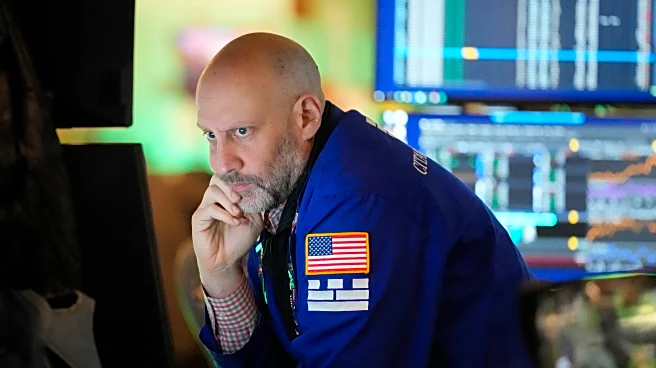
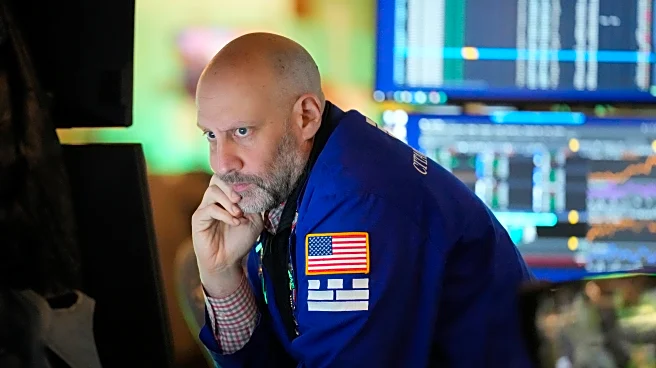
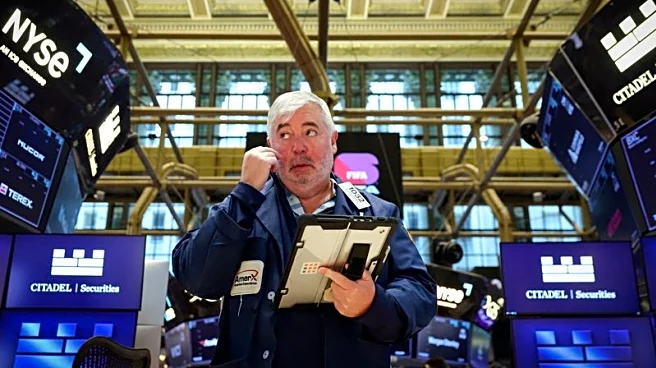
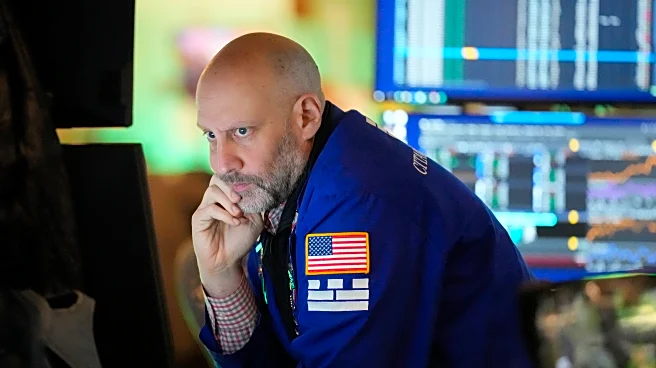
Investors are starting to brace for a more prolonged Middle East conflict that could stoke fresh inflation fears, threaten economic growth and undermine the case for interest-rate cuts in coming months.
Markets on Tuesday endured a second day of whiplash asset price moves following the start of strikes by the U.S. and Israeli on Iran over the weekend. A disruption to the Strait of Hormuz - a critical chokepoint that carries
roughly one-fifth of the world's oil supply -- raised the risk of an energy-driven inflation surge.
"While not much has changed fundamentally since yesterday, investors are growing anxious about the duration of the war and its impact on energy prices," said Joseph Tanious, chief investment strategist at Northern Trust Asset Management in San Diego. "The reality is setting in that a prolonged conflict could dampen global growth and re‑ignite inflation pressures."
As oil prices jumped for a second day, Wall Street's main indexes slumped, with the benchmark S&P 500 falling 0.9%. Although stocks pared deeper losses from earlier in the session, the S&P 500 hit its lowest level in over three months and all 11 of the index's sectors declined, indicating a broad selloff.
Global government bonds weakened, but they came off their lows as traders evaluated how long the conflict is likely to last.
The Cboe Volatility index, Wall Street's "fear gauge," also hit its highest level in more than three months.
"The reaction has become more intense...there’s no sign of a quick resolution," said Que Nguyen, chief investment officer of equity strategies at Research Affiliates in Newport Beach, California. "People are waking up to the fact that this is a lot more complicated than they assumed."
Investors zeroed in on the potential pressure on inflation stemming from a sustained rise in oil prices. Brent crude was last around $81 a barrel, up from around $60 at the start of the year.
The five-year U.S. breakeven inflation -- a market-based measure of inflation expectations -- rose to 2.503% late on Monday, the highest since February 11.
Goldman Sachs economists estimate that a sustained 10% increase in oil prices boosts the consumer price index -- a closely watched inflation measure -- by 28 basis points.
Meanwhile, Wall Street appears to be tempering its expectations for interest-rate cuts by the Federal Reserve.
Fed Fund futures on Tuesday indicated a 56% chance the central bank will remain on hold at its June meeting, after markets had priced in a greater than 50% chance of a cut by that meeting as of late last month, according to CME FedWatch.
"The biggest issue that (investors) are trying to weigh gets back to the intertwining of inflation and interest rates," said Chuck Carlson, chief executive officer at Horizon Investment Services.
Other geopolitical volatility involving the United States, such as situations with Venezuela and Greenland, have failed to significantly undermine stocks. Some investors were already eyeing any weakness from the Iran conflict as a possible buying opportunity.
"We are taking cash we raised from tech to aggressively get more positioned for a global acceleration of economic growth," said Eddie Ghabour, CEO of Key Advisors Wealth Management, whose firm has been buying emerging markets ETFs this week.
Despite the declines this week, the S&P 500 remained only slightly over 2% from its all-time closing high.
Andrew Slimmon, senior portfolio manager at Morgan Stanley Investment Management, said the market's resiliency "suggests to me that investors might be underestimating the geopolitical risk."
Investors will be watching carefully for developments in the days ahead.
"We’re really still at the mercy of the headlines," said Kevin Gordon, head of macro research and strategy at Charles Schwab. "The potential for whiplash in parts of the market is very high."
(Reporting by Laura Matthews and Lewis Krauskopf in New York; additional reporting by Suzanne McGee, Saeed Azhar, Gertrude Chavez-Dreyfuss and Stephen Culp; editing by Megan Davies)