




By Tom Polansek
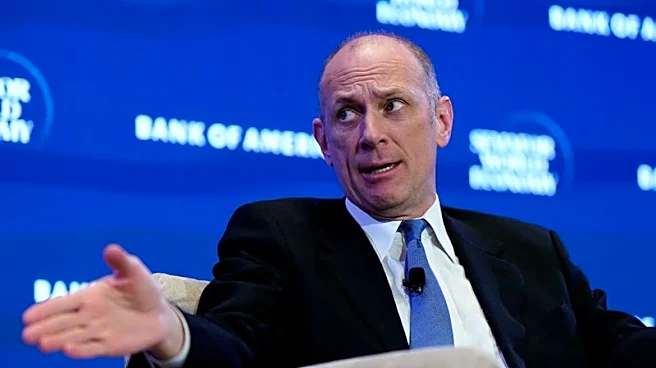
CHICAGO, May 13 (Reuters) - U.S. cattle producers are making spotty efforts to rebuild the nation's diminished herd and supplies will remain tight, Tyson Foods CFO Curt Calaway said on Wednesday, as low inventories have pushed beef prices to record highs.
President Donald Trump has been considering potential executive actions to reduce tariffs on beef imports and regulations on producers as part of an attempt to lower domestic beef prices.
Although prices for eggs, milk, and other grocery
staples have fallen since Trump took office in January 2025, beef is over 16% more expensive, making it a symbol of persistent inflation for American consumers as the summer backyard grilling season gets underway.
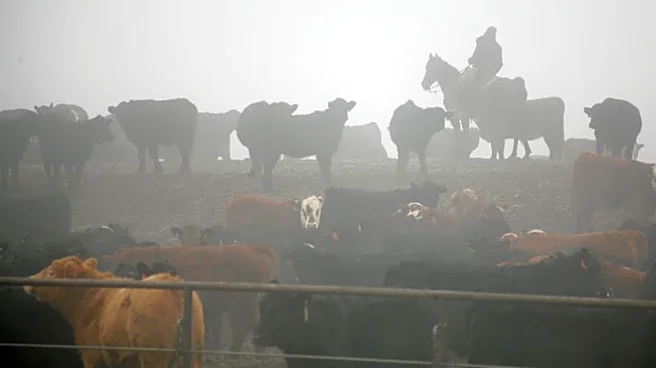
Cattle producers have been slow to retain young female cows known as heifers for breeding, a critical step in rebuilding herds and increasing beef production. Instead, they have sent animals to be slaughtered to take advantage of high prices and because of worries about dry weather limiting land available for grazing.
Cattle supplies will remain tight moving through 2026 and into 2027, Calaway said on a webcast of a BMO conference, adding that heifer retention was "spotty and regional."
"We'll still manage in a tight cattle supply," he said.
Meatpackers have lost money in their beef businesses because soaring costs for cattle have outpaced gains from higher selling prices for beef. Tyson closed a major beef plant in Nebraska this year and reduced operations at a facility in Texas, laying off thousands of workers.
"We're starting to see the benefits of that," Calaway said, adding that Tyson made the cutbacks to be more competitive.
Beef prices climbed due to strong demand and as the U.S. cattle herd has dwindled to its lowest level in 75 years. Ranchers slashed their herds because a persistent drought in the western U.S. burned up lands used for grazing and hiked feeding costs.
Trump's plan to boost imports could increase beef supplies in the short term but discourage producers from rebuilding the U.S. herd over the long run, according to the American Farm Bureau Federation.
(Reporting by Tom Polansek, Editing by Nick Zieminski)