







By Pete Schroeder
WASHINGTON, April 14 (Reuters) - The war in the Middle East is elevating global financial stability risks through inflationary pressures that could cause funding markets to tighten, potentially straining non-banks, private credit and artificial intelligence borrowers, the International Monetary Fund warned on Tuesday.
In its semiannual Global Financial Stability Report, the IMF warned that since February, global equity prices have declined 8% while sovereign bond yields have risen
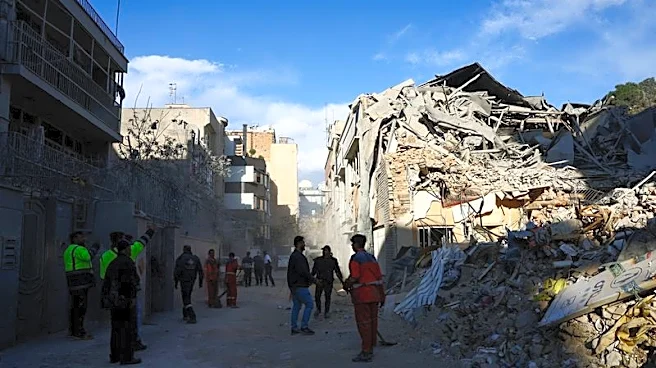
sharply, driven by a jump in energy prices and market expectations of higher inflation. The war, which led Iran to shut the Strait of Hormuz, has sent oil prices spiking.
Bond market volatility has also been spurred by rising debt-to-GDP levels and the greater issuance of short-term securities which are more vulnerable to rollover risks during rising inflation. That could lead funding markets to tighten, which has spurred broader turmoil in the past, the IMF said.
"Markets have corrected in an orderly manner so far, but risks are asymmetric. The longer the conflict continues, the greater the risk that global financial conditions—which had been very accommodative before the war—could tighten further and more abruptly," the group warned.
There are several channels through which funding strain could escalate into financial instability, it continued.
Sharp losses in sovereign bonds could weaken bank balance sheets, while at the same time constraining governments' abilities to aid troubled banks, the group said.
An abrupt tightening of financial conditions could trigger forced selling by nonbanks, option sellers and other investors very reliant on leverage, such as hedge funds and leveraged exchange-traded funds, which could lead to outsized losses, it also warned.
Hedge fund exposure to interest rate derivatives and sovereign bonds has more than doubled since 2020, rising to over $18 trillion by 2025, the IMF said.
"Vulnerabilities only get triggered when you have a shock, and the war in the Middle East is really the shock that is unfolding," said Tobias Adrian, director of the IMF's monetary and capital markets department, in an interview.
PRIVATE CREDIT & AI
The IMF struck a cautious tone on the $3.5 trillion private credit sector, warning that signs of more borrower defaults could cascade into broader concerns about corporate credit overall, particularly in sectors that could be disrupted by artificial intelligence.
Signs of trouble in the obscure world of private lending, which had soared in popularity with companies looking for quick bespoke debt and investors seeking high returns, have been brewing since the middle of last year. Blue Owl Capital, Ares Management, Apollo Global, Blackstone, and KKR have all limited redemptions from private credit funds as investor jitters mount.
The IMF said so far the turbulence appears to be limited and could have a "contained systemic impact," but investors are accelerating the pace of redemptions amid fears of worsening credit quality.
The IMF also warned that prolonged conflict in the Middle East could significantly slow AI investment, which has been a big driver of growth. While the overall impact to financial stability appears modest, such a pullback could weigh on firms within the AI ecosystem that are increasingly reliant on circular financing arrangements.
Policymakers should ensure they are prepared to address any market dysfunction by standing up and preparing liquidity and funding facilities, the IMF said. Monetary policy should focus on price stability and policymakers should closely monitor if actual inflation begins to spill over to inflation expectations.
On the fiscal side, policymakers should shift to tighten and get public debt on a stable path, and focus new spending on groups vulnerable to inflation shock, the IMF said.
(Reporting by Pete Schroeder; Editing by Michelle Price and Lincoln Feast)