



March 9 (Reuters) - U.S. stock index futures tumbled more than 1% on Monday, while oil prices soared, exacerbating inflation fears as hostilities in the Middle East showed no sign of abating.
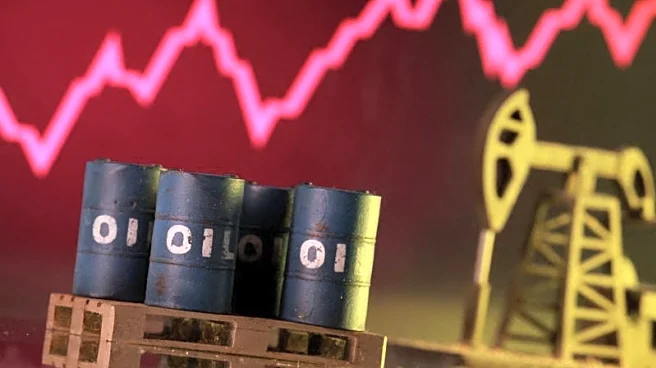
Crude prices jumped more than 25%, climbing to just under $120 a barrel, while the U.S. dollar surged as investors rushed for safe havens. The spike in energy costs amplified concerns that interest rates could remain elevated for longer, with the yield on the benchmark 10-year Treasury note touching its highest
in more than a month.
Geopolitical tensions deepened after Iran on Monday named Mojtaba Khamenei as the successor to his father, Ali Khamenei, as supreme leader - a move seen as a clear signal that hardliners remain firmly in control in Tehran.
The U.S.-Israeli war on Iran entered its 10th day with no indication of hostilities easing, as fresh missile and drone attacks from both Israel and Iran rippled across the region.
A drawn-out conflict in the Middle East could severely disrupt global energy supplies and weigh on world growth at a particularly fragile moment for the U.S. economy.
The Cboe Volatility Index, Wall Street's most-watched gauge of investor anxiety, jumped 5.16 points to 34.62, its highest since April 2025.
Recent labor market data has already rattled investors, with the economy unexpectedly shedding jobs in February and the unemployment rate rising. This and surging oil prices could leave the Federal Reserve in an increasingly difficult position, complicating the path toward rate cuts.
Markets face a crucial week packed with high-stakes economic releases. Inflation data is due on Wednesday, followed by jobless claims, JOLTS figures, personal consumption expenditures data - the Fed's preferred inflation gauge - and a second estimate of quarterly GDP later in the week.
The Fed's next rate decision is due on March 18, and markets have nearly fully priced in expectations that policymakers will leave rates unchanged.
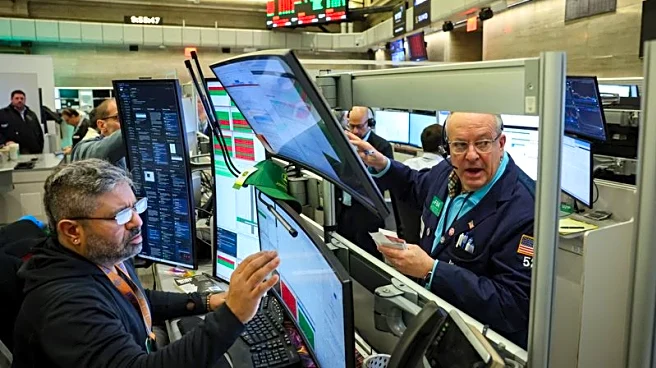
At 3:13 a.m. ET, Dow E-minis were down 863 points, or 1.82%, S&P 500 E-minis fell 108.5 points, or 1.61%, Nasdaq 100 E-minis were down 407 points, or 1.65%.
Futures tracking the rate-sensitive Russell 2000 index were down 3.1%.
Last week, the Dow Jones Industrial Average fell 0.95%, marking its steepest weekly percentage decline since early April 2025. The S&P 500 dropped 1.33%, logging its worst week since mid-October, while the Russell 2000 posted its biggest weekly loss since early August. The Nasdaq Composite closed down 1.59% on Friday.
(Reporting by Pranav Kashyap in Bengaluru; Editing by Mrigank Dhaniwala)