





By Dominique Patton
PARIS, July 27 (Reuters) - Luxury giant LVMH reported a rise in quarterly sales on Monday as strong demand in the United States helped offset weaker spending in Europe and the Gulf due to the Iran war.
Second-quarter sales at the owner of Louis Vuitton, Dior and Bulgari rose 3% when adjusted for currency swings to €19.5 billion ($22.2 billion), broadly in line with analysts' consensus estimate, according to Visible Alpha.
Growth was driven by the U.S., where sales rose 6% in the second
quarter after increasing 3% in the first three months of the year, LVMH said.
European luxury brands have stepped up their focus on the United States, opening stores and staging fashion events to attract wealthy shoppers buoyed by the AI and technology boom, while demand remains subdued in other regions.
However, the update from LVMH — the first major luxury group to report first-half results — may not be enough to reassure investors that the $400 billion luxury sector is finally emerging from a two-year downturn.
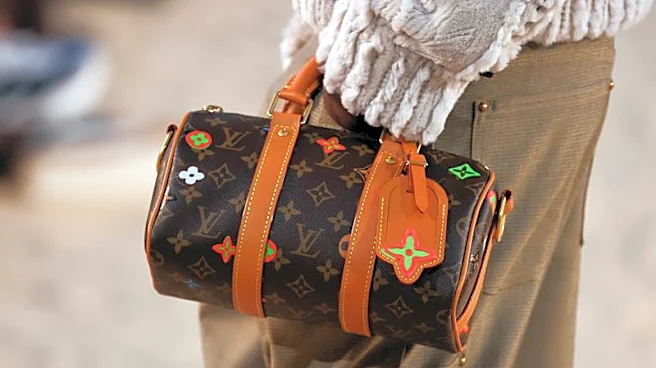
The fashion and leather goods division, which generates the bulk of LVMH's operating profit, posted 1% organic growth. That was its first quarterly increase in two years, but fell short of analysts' expectations for a 1.7% rise.
LVMH said the Iran war reduced growth in the division by 1 percentage point, but added that Dior was gaining momentum under new creative director Jonathan Anderson.
In Europe, sales were flat in the quarter, stabilising after a decline in the first three months of the year as conflict in the Middle East weighed on tourism.
For the first half, sales rose 2% on an organic basis, but fell 3% on a reported basis to €38.6 billion. Over the same period, profits from current operations fell 4% to €8.7 billion, though the operating margin was broadly stable at 22.5%.
Shares in the French group, controlled by billionaire Bernard Arnault, have fallen 28% since the start of the year, making LVMH one of Europe's worst-performing large-cap stocks.
($1 = 0.8792 euros)
(Reporting by Dominique Patton and Florence Loeve. Editing by Mark Potter)