





By Arpan Varghese
April 28 (Reuters) - Top American companies from GM to Coca-Cola are trying to reassure investors they can weather the financial fallout from the Iran war, even as surging fuel and packaging costs threaten margins.
Oil prices have jumped since the start of the conflict, driving up input costs across industries already pressured by U.S. tariffs. The increase is forcing companies to weigh price increases at a time when consumers are showing signs of strain.
A Reuters review of company
statements since the start of the war showed that 24 companies have withdrawn or cut their forecasts, 35 have signaled price hikes and another 35 have warned of a financial hit.
Yet, several executives struck a confident tone on Tuesday, banking on hedging, prior purchasing contracts, resilient demand or the ability to offset costs elsewhere.
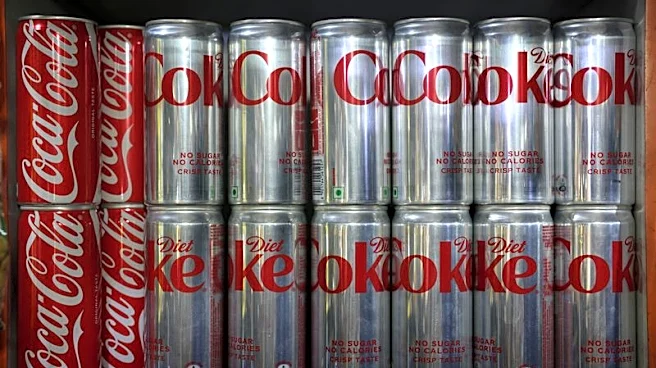
Coca-Cola was among the major firms to strike an optimistic note, betting on resilient demand for its sodas, with CFO John Murphy stating that the company, like PepsiCo, had locked in some lower prices before the start of the current disruption.
The beverage giant is still exposed to higher packaging costs of plastic and aluminum for some finished products. Murphy said the company is "working hard with our bottling partners to deal with the implications of the situation ... in the Middle East."
Some of the optimism has rubbed off on Wall Street. Analysts raised expectations for first-quarter S&P 500 earnings growth to 16.1% as of April 24 from 14.3% on February 27, before the war began, albeit driven mostly by strong forecasts from technology and energy companies, according to LSEG data.
"It's been an extraordinarily strong earnings season," said David Morrison, senior market analyst, Trade Nation, noting that the bullish signaling from CFOs and CEOs was necessary.
"If they don't sound as bullish and start citing higher energy costs or, the war with Iran or anything, the market is in a mood and it's at a level where, these stocks could get punished quite badly." [.N]
Some like United Parcel Service stuck to a more cautious note, reiterating its full-year revenue target, but also warning that soaring fuel prices could eventually crimp demand.
"It is early in the year and there is a war in the Middle East. High gasoline prices could potentially impact demand towards the end of the year," UPS CEO Carol Tome said.
Others like Detroit carmaker General Motors signaled that they have been here before, and are well placed to navigate the storm.
"We are clearly operating in a very dynamic environment, which isn't unusual for this industry," GM CEO Mary Barra said.
GM said it expects inflation in raw materials, chips and logistics to cut annual earnings by $1.5 billion to $2 billion, about $500 million more than it estimated late last year, but still lifted its full-year earnings forecast, citing a resilient U.S. market and an expected tariff refund.
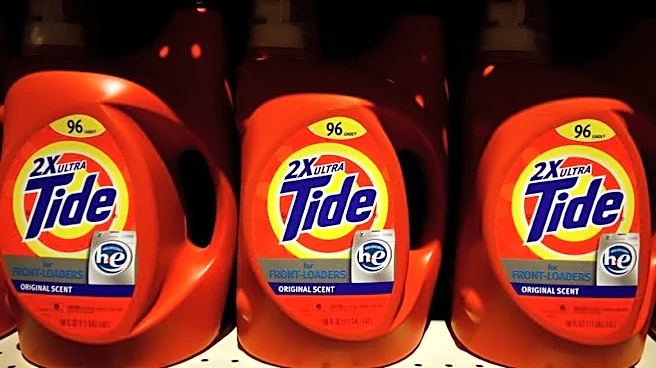
Procter & Gamble was an outlier, at least outside of the airlines, as the global consumer goods bellwether last week warned of a roughly $1 billion hit to its fiscal 2027 profit from surging oil.
Airlines remain the most exposed, with jet fuel prices having nearly doubled since end-February, wedging carriers between spiraling costs and pre-sold tickets.
JetBlue Airways plans to slow hiring, cut capacity and hike fares to soften the blow after reporting a bigger first-quarter loss that threatens to derail its turnaround.
Still, the risk of a deeper hit to margins and a limit to how much costs can be passed on loom large.
"If energy prices continue to move higher, basically, every sector of the economy is affected. The cost to manufacture goods goes up, and that means higher inflation which is passed on to the consumer, and that means, a less robust consumer," said Peter Cardillo, chief market economist at Spartan Capital Securities in New York.
"In other words, (consumers) pull back on their spending."
(Reporting by Medha Singh, Avinash P, Tharuniyaa Lakshmi and Niket Nishant, Arpan Varghese in Bengaluru; Editing by Sriraj Kalluvila)