






By Suzanne McGee and Jonathan Stempel
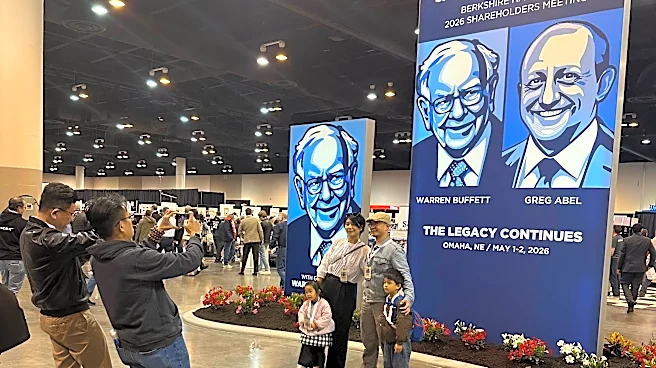
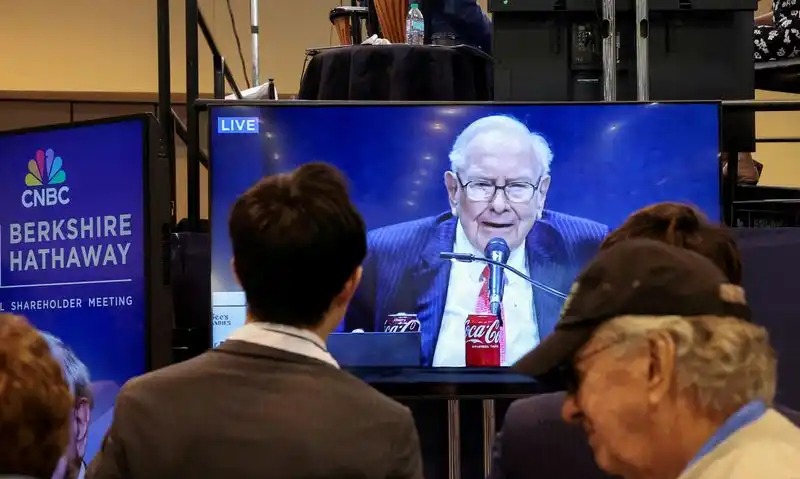
NEW YORK/OMAHA, Nebraska, May 2 (Reuters) - Berkshire Hathaway reported improved first-quarter performance from the conglomerate's insurance businesses, but CEO Greg Abel told investors the sector faces competitive headwinds.
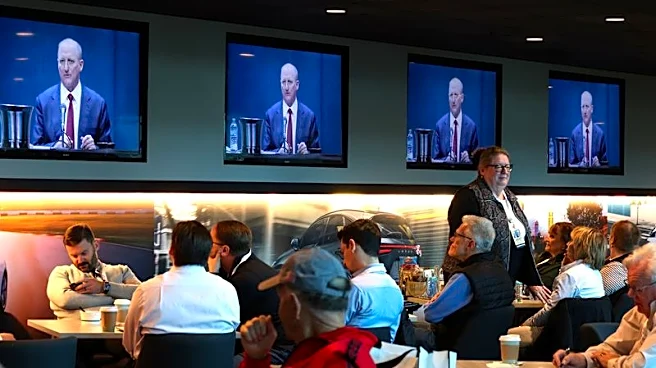
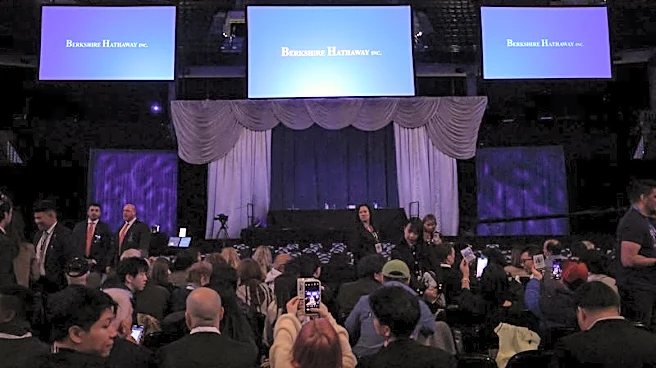
"The reality is that ... as our insurance business softens, we cannot realize the value we should for the related risk," Abel told shareholders attending Berkshire's annual meeting in Omaha, Nebraska, on Saturday.
The boost in first-quarter
revenue to $81.1 billion from $77.6 billion a year earlier reflected what Abel called a "pretty benign period" for insurance losses, one that passed without any major catastrophes such as wildfires or hurricanes.
The flip side, he said, is that new capital is entering the market, creating a more competitive pricing environment.
CAUTIOUS APPROACH
Berkshire's insurance businesses "will be much more cautious, specifically across the primary and reinsurance businesses" in response to the shifting balance between premiums they can charge in a competitive market and the associated underwriting risk.
He said striking the right balance has been a major focus at Geico, the Berkshire-owned auto insurer.
"We've seen unprecedented shopping activity across the auto space" by drivers looking for bargain-priced policies, Abel said.
Geico has "worked hard to segment" its customer base to retain as many customers as possible, even as premiums rose, Abel said.
"It's not going to be easy to just restart the growth engine," Abel said.
Geico once ranked second in market share for car insurance after State Farm, but Progressive surpassed it after investing earlier in technology to find better drivers and ensure it charges the right prices, according to analysts.
But in the last few years, Geico, under former Chief Executive Todd Combs, regained momentum by tightening underwriting standards and slashing overhead, including a nearly one-third reduction in Geico's workforce to 29,541 people at the end of 2025.
Vice Chairman of Insurance Operations Ajit Jain said in 2025 that Geico had caught up to rivals in telematics, where insurers use devices installed in vehicles to monitor behavior, including speed, braking, mileage and distracted driving. Safe drivers get rewarded with discounts, while other drivers are charged more.
In the first quarter, Geico's pre-tax underwriting gains fell 35%, as it spent more on advertising while accident claims rose.
Combs left Geico in December to join JPMorgan Chase and was replaced by Nancy Pierce, previously the insurer's chief operating officer. She joined Geico in 1986.
(Reporting by Suzanne McGee in Providence, Rhode Island, and Jonathan Stempel in Omaha, Nebraska; Editing by Rod Nickel)