
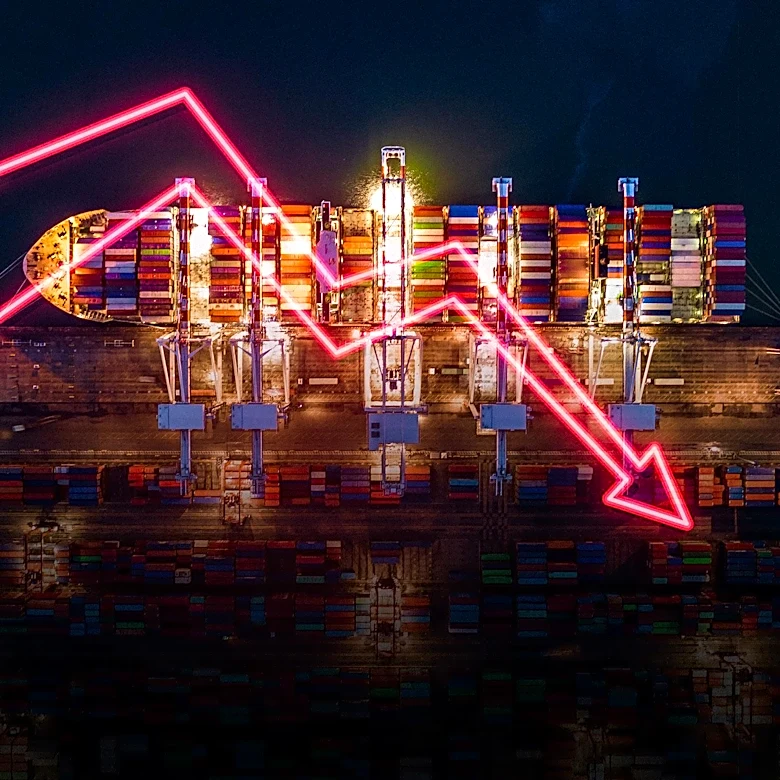

Oct 9 (Reuters) - Global economic growth will likely slow to 2.6% in 2026, down from 2.9% last year, as the energy shock from the crisis in the Middle East is putting the global economy to the test, the United Nations agency for trade and development said on Friday.
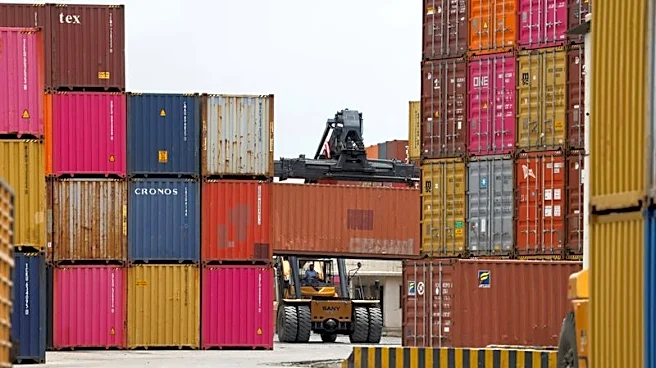
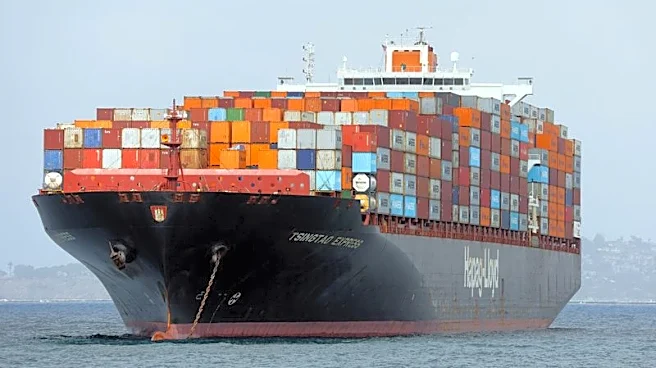
Trade in goods and services is expected to expand by 4% in constant prices, after global trade reached a record $35 trillion in 2025, but the projected rise is driven by higher energy prices, UNCTAD said in its trade and development report.
Here are more details:
• Trade between China and the US has fallen by more than 20% since 2024, while East Asia has expanded trade with both China and North America.
• "Export controls, investment screening and supply-chain conditions make strategic sectors harder for new entrants to access," UNCTAD said.
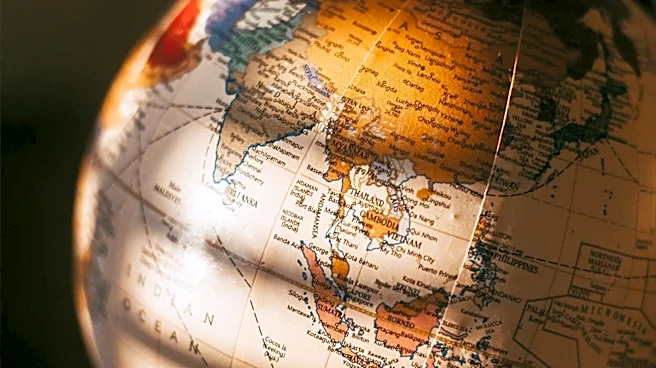
• Asia is projected to contribute 59% of global economic growth in 2026, with India expanding at 7.3%, China by 4.5% and Indonesia by 5.2%.
• While AI products, like semiconductors, are the main driver of merchandise trade, growth in AI-related trade does not automatically mean broad development gains, UNCTAD said.
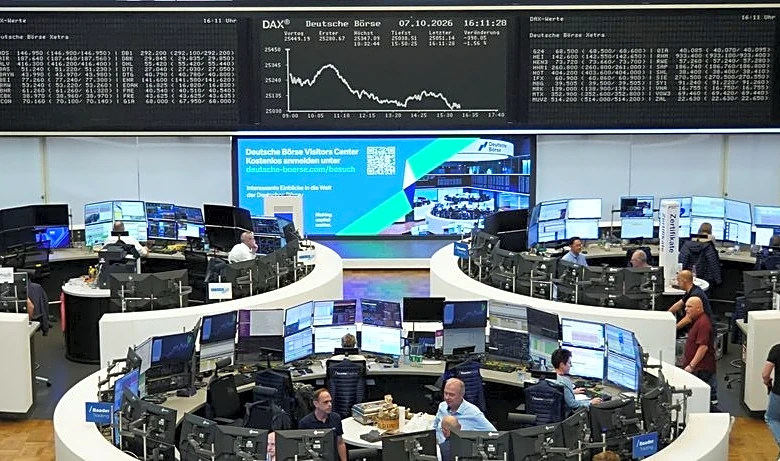
• The agency also warned that the AI boom brings financial stability risks as markets become more exposed to just a few companies. The agency did not name them.
• The World Bank in June cut its global growth forecast to 2.5% due to the war in the Middle East and sees a decline to 1.3% in its worst-case scenario.
• The International Monetary Fund is slightly more optimistic with a 3% growth forecast, but has also flagged the Iran war, trade fragmentation and AI-related corrections as risks.
(Reporting by Thomas Seythal; Editing by Toby Chopra)