



By Utkarsh Shetti
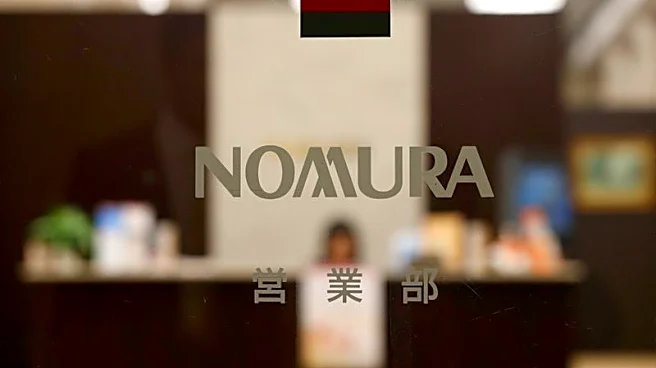
May 29 (Reuters) - Nomura's digital asset subsidiary Laser Digital has secured conditional approval for a national trust bank charter, becoming the latest firm to benefit from the Trump administration's crypto-friendly stance.
The move would allow it to hold and administer tokenized, digital and conventional assets in the U.S. under federal supervision upon receiving a full sign-off from the Office of the Comptroller of the Currency, Laser Digital said in a statement to Reuters.
Full
approval is contingent on the firm satisfying certain conditions, including minimum capital requirements. Laser Digital does not intend to take deposits or provide lending services.
Headquartered in Zurich, Laser Digital was spun out of Nomura in 2022 and primarily serves institutions by facilitating crypto trading and providing exposure to the asset class, with more than $250 million under management.
Laser Digital National Trust Bank, the subsidiary that will operate in the U.S., aims to help clients move money across traditional currencies, stablecoins and other digital assets, handle cross-border payments and manage collateral across crypto and traditional markets.
Clarity around crypto legislation from policies such as the GENIUS Act has helped boost institutional confidence in stablecoins and tokenized assets by moving the U.S. closer to a formal regulatory framework.
The shift is evident as digital assets have gained mainstream prominence, drawing sizable investments in related infrastructure from legacy firms across the financial industry.
BNY, the world's largest custodian bank, launched a tokenized deposit service earlier this year, drawing interest from New York Stock Exchange parent Intercontinental Exchange and trading firm Citadel Securities.
The boom has also spurred more firms to seek a national trust bank charter. At least 15 applications for bank charters overseen by the OCC have been submitted by digital asset-related firms since the start of 2025, according to data compiled by S&P Global.
(Reporting by Utkarsh Shetti in Bengaluru; Editing by Tasim Zahid and Shreya Biswas)