





WASHINGTON, May 12 (Reuters) - The U.S. Department of Justice said on Tuesday it had reached a settlement with PayPal to resolve an investigation into a 2020 investment program that the department described as giving "unlawful" preferences to Black and minority-owned businesses.
Under the settlement, PayPal will launch a new initiative that waives processing fees on $1 billion in transactions — valued at about $30 million — for eligible U.S. small businesses that are veteran-owned or operate in farming,
manufacturing or technology, the department said in a statement.
“For more than two decades, PayPal has helped small businesses start, scale, and thrive by expanding access to digital financial tools. We’re excited to launch the Small Business Initiative to infuse American small businesses with even more economic opportunity,” said a PayPal spokesperson.
The deal includes no monetary penalty paid to the government, and the Justice Department made no finding that PayPal violated the Equal Credit Opportunity Act, which prohibits creditors from discriminating against credit applicants on the basis of race, color, national origin or other protected characteristics.
PayPal "expressly denies any liability" related to the 2020 program, according to the agreement, which was signed on Monday by Assistant Attorney General Harmeet Dhillon and PayPal CEO Enrique Lores.
The program at issue was a one-time $530 million commitment PayPal announced in June 2020 to support Black and underrepresented minority businesses and communities. PayPal described the economic opportunity fund as designed "to support and strengthen Black and underrepresented minority businesses and communities over the long term, and designed to help drive financial health, access and generational wealth."
The Justice Department said the program did not "remediate any specific instances of past discrimination."
Acting Attorney General Todd Blanche said the settlement delivered on President Donald Trump's pledge to "root out illegal DEI from every corner of corporate America."
The Trump administration has cracked down on diversity, equity and inclusion (DEI) practices in the government and in the private sector since taking office for his second term early last year.
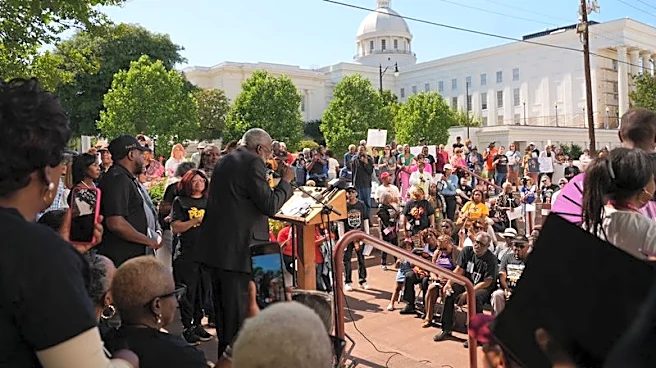
The president has cast DEI as anti-merit and as discriminatory against groups like white people and men, while civil rights advocates say DEI practices help address historic inequities for marginalized groups like women, the LGBT community and ethnic minorities.
Civil rights groups dispute the claim that measures to increase inclusion of marginalized groups in business and schools are unlawful, saying they are not quotas.
Last month, groups representing university faculty and minority business owners filed a lawsuit seeking to block Trump's efforts to eliminate diversity, equity and inclusion initiatives by federal contractors, arguing it violates contractors' free-speech rights under the First Amendment of the U.S. Constitution.
(Reporting by Katharine Jackson; writing by Susan Heavey;Editing by David Ljunggren, Michelle Nichols and Aurora Ellis)