
By Nicholas P. Brown and Juveria Tabassum
Dec 18 (Reuters) - Nike is running out of time to prove its China playbook works. The U.S. sportswear giant’s sixth straight quarterly sales decline in the country
- including a 20% drop in footwear - underscores how a market once seen as a growth engine has become its biggest pressure point.
CEO Elliott Hill admitted on Thursday's post-earnings call that "it's clear we need to reset our approach to the China marketplace," which accounts for roughly 15% of revenue.
Nike's struggles in China are longstanding, and investors were never expecting a quick return to growth. But Hill's aggressive push to refresh product offerings and cut legacy lifestyle lines has not shown even the slow, steady progress investors had hoped for.
Instead, margin pain is mounting: second-quarter gross margins fell about 300 basis points, hit by tariff costs and a glut of obsolete inventory.
Nike's stock is down 13% so far this year, on track for a fourth straight year of declines.
The structural challenges are stark in a consumer market beset by fierce competition and shopper fatigue that is pushing prices down.
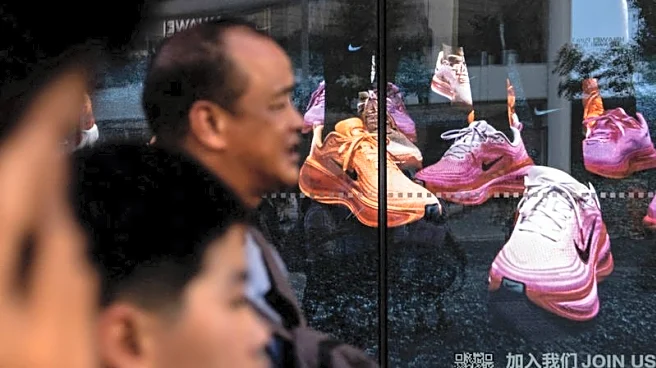
Hill acknowledged Nike had not invested enough in refreshing its Chinese outlets to boost foot traffic, but China’s so-called monobrand retail landscape - where brands commonly operate their own stores instead of selling through third-party retailers — also limits Nike's ability to replicate the multi-channel dominance it enjoys in the U.S.
Meanwhile, digital, seen as critical for growth, is sputtering, with online sales down 36% as competition from domestic brands like Anta and Li-Ning intensifies.
Direct-to-consumer traffic cooled both online and in stores. Zacks analyst David Bartosiak said the segment was a “problem child.”
Hill and Chief Financial Officer Matthew Friend would not take the bait when asked by an analyst on Thursday's call for a timetable on China recovery. Friend cited a "dynamic environment" and "complicated" turnaround effort.
"We firmly believe our growth will come through sport," Hill said, "but the reality is we've become a lifestyle brand competing on price in China."
'PARTLY BY DESIGN'
Friend said Nike was less promotional than last year during the key Singles Day selling event on November 11, and was reducing sales events for spring and cutting down on summer buys in an attempt to improve full-price sales.
Bartosiak said Nike seemed to be betting that "brand heat and partner relationships will eventually overpower" margin headwinds, though profitability will take a hit in the meantime.
"The China results were ... partly by design, as Nike tries to eliminate obsolete and slow-selling inventory," added Morningstar analyst David Swartz.
Swartz said Nike had earned the benefit of the doubt - at least for a few more quarters.
"Nike was in a similar situation in North America" when Hill took the reins in October of 2024, "and the results have gotten better."
(Reporting by Juveria Tabassum in Bengaluru and Nicholas P. Brown; Editing by Kate Mayberry)