








By Arriana McLymore
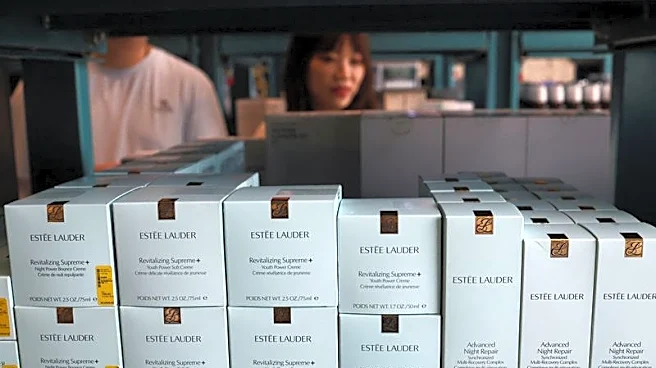
NEW YORK, May 26 (Reuters) - After U.S. cosmetics company Estée Lauder walked away from merger talks with Spanish perfume maker Puig, analysts called the move prudent and said it left Estée with more flexibility to pursue other acquisitions.
The deal would have created a premium beauty giant, better positioned to compete with industry leader L’Oréal. But Estée investors worried that it would distract management from its months-long turnaround plan and stretch the company's balance
sheet, with net debt running at roughly five times EBITDA.
Estée shares surged 10% on Friday. Investors' dislike of the deal was a factor that hindered the talks, Reuters reported, though the main factor for the collapse was disagreements between the powerful controlling families, and demands, including from make-up magnate Charlotte Tilbury. Charlotte Tilbury is a brand popular with TikTok influencers and affluent millennials that Puig has a stake in.
Estée, owner of Clinique and M.A.C brands, said previously that it sees deals as a tool to reshape its portfolio, to fill gaps in geographies, product categories and price tiers.
CEO Stéphane de La Faverie, though, has insisted that his priority under the company's “Beauty Reimagined” restructuring is to fix organic growth first and any deal would need to fit in tightly with the revamped business.
"Although it has walked away from Puig, we think Estée could look to acquire smaller, niche operators to enhance its category or geographic standing," Morningstar analyst Erin Lash said in a note. "While the deal stood to strengthen Estée's position in fragrance, we were skeptical, given the potential deal's size and the distraction it could pose for management amid its ongoing turnaround."
As part of the turnaround, the cosmetics maker has been expanding its product portfolio across channels and geographies, streamlining supply chagin, ramping up marketing, and boosting launches of premium products to tap into resilient demand from higher-income consumers. It said earlier this month that it would cut up to 3,000 more jobs globally, bringing total expected job cuts to up to 10,000, as it aims to save as much as $1.2 billion in annual costs.
Estée Lauder, which owns the Jo Malone premium fragrance brand, fully bought India-based prestige brand Forest Essentials earlier this week, signaling that it is pushing forward with acquisitions that focus on local, emerging markets. It had made a minority investment in Forest Essentials in 2008 and increased its position to 49% in 2020.
That Forest Essentials buyout comes weeks after Estée acquired a minority stake in London-based luxury skincare brand 111SKIN. Estée also acquired a minority stake in Mexico-based fragrance brand Xinu in November.
Adding Forest Essentials has helped almost double Estée's market share in India and is "helping us to tap into another consumer that we potentially couldn't recruit," Nadine Graf, president of EMEA, UK, Ireland & Emerging Markets at Estée Lauder, said at a Morgan Stanley conference in Paris on Tuesday.
Graf said the company was adapting the brand to local markets and spending more heavily on peak shopping periods, adding that Europe and the UK were tougher markets, where high-end beauty was widely available, limiting room for growth.
Estée Lauder's "decision to call off discussions removed a complex transaction that, in our view, would have offered only modest strategic benefit and limited portfolio diversification," Jefferies analyst Sydney Wagner said in a note.
"With the transaction no longer under consideration, we see the most compelling use of capital in assets positioned down the price ladder" with mass and so-called masstige brands, particularly in color and skin, she said.
(Reporting by Arriana McLymore in New York City; Additional reporting by Anuja Bharat Mistry in Bangalore; Editing by Sayantani Ghosh)