







By Ernest Scheyder
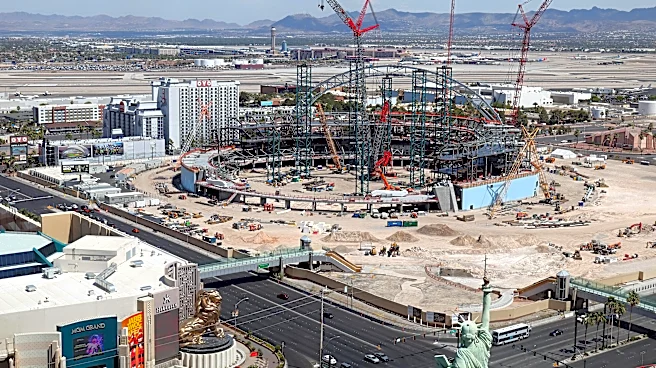
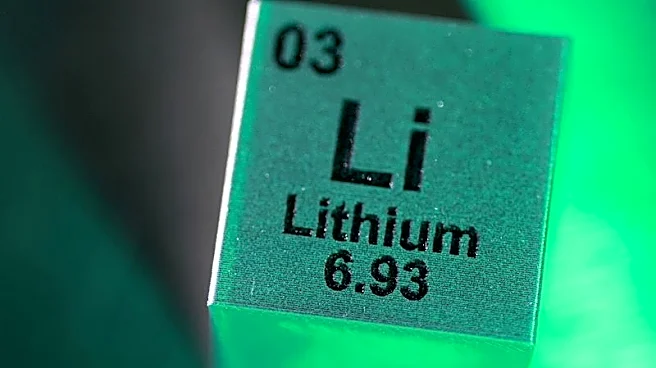
LAS VEGAS, June 24 (Reuters) - The lithium industry is growing more optimistic about a market recovery as booming demand for battery storage systems helps offset a slowdown in some electric vehicle markets, leading producers told an industry conference this week.
While electric vehicles have been the main driver of lithium demand for years, regulatory changes in the United States and elsewhere have cooled sales in some key markets. That slowdown coincided with industry overproduction,
pushing lithium prices sharply lower.
But growing demand for stationary battery storage systems, driven by the expansion of artificial intelligence and efforts to strengthen power grids, is helping reshape the market outlook.
"The period of market overcorrection is over," said Raju Daswani, CEO of consultancy Fastmarkets. "Energy storage has become a primary driver of growth in this market."
Fastmarkets estimates that lithium demand for battery storage systems is growing at 40% per year, he said.
"This is a fundamental change and it adds a robust foundation if you compare it to a far-more volatile consumer-driven electric vehicle demand picture," Daswani told the Fastmarkets Global Lithium, Battery and Critical Materials Conference in Las Vegas.
Attendance at the conference, considered the world's largest annual gathering of lithium investors, executives and consumers, rose 10% this year to roughly 1,100, organizers said.
The mood was a marked shift from the dour one that pervaded the 2025 conference. Lithium prices since then have more than tripled.
"Lithium demand in the next two years is going to be much more balanced between EVs and energy storage," said Jérôme Pécresse, head of Rio Tinto's aluminum and lithium business unit, which aims to boost lithium production capacity by 2028.
Albemarle, the world's largest lithium producer, noted it is seeing steady growth for battery storage, in contrast to lumpy EV demand.
"Grid storage is much more evenly distributed around the world," Eric Norris, the company's chief commercial officer, told Reuters on the conference sidelines. "It's an interesting demand driver."
In a further sign of market demand, ioneer said on Monday it had signed a letter of intent with Hyundai Engineering and an arm of the South Korean government to support its Nevada lithium project.
GOVERNMENT PRICE SUPPORT STILL SOUGHT
Despite the improving market, executives urged governments to do more to financially underpin lithium processing, a segment dominated by low-cost Chinese companies. G7 leaders last week, for instance, agreed to better coordinate efforts on boosting Western lithium and nickel markets.
"What are governments willing to pay for security of supply? There's a tax to be paid for that, and it hasn't been paid yet," said Dale Henderson, CEO of PLS, Australia's largest independent lithium producer.
Audrey Robertson, the U.S. assistant energy secretary, encouraged the industry to focus on technological innovations that could change how the markets for lithium and other critical minerals function.
"The way that we're processing lithium today is not the way we're going to process it in five years," Robertson told Reuters on the conference sidelines.
(Reporting by Ernest Scheyder; Editing by Sanjeev Miglani)