
By Chuck Mikolajczak
NEW YORK, Oct 8 (Reuters) - The dollar declined on Thursday as a rise in euro zone bond yields cooled, while expectations for the path of interest rates from the Federal Reserve this
year remained largely intact.
Euro zone government bond yields rose sharply again as a surge in oil prices intensified inflation concerns, with investors continuing to sell bonds of heavily indebted countries such as France and Italy.
But the euro recovered from its earlier lows as yields retreated, with the French 10-year yield little changed at 4.8735% after climbing as high as 4.9685% on the day.
France has been hit particularly hard as investors scrutinize its debt load, budget deficit and political outlook ahead of the 2027 presidential election.
In Spain, trade unions on Wednesday announced a nationwide general strike over housing issues for November 11, a protest that will take place a few weeks before a snap election.
FED SIGNALS CAUTION ON RATE HIKES
Meanwhile, expectations for a rate hike from the Fed at its policy meeting later this month remain subdued, after minutes released on Wednesday from the central bank's most recent meeting showed policymakers viewed inflation as the biggest risk to their outlook, and analysts said they offered no surprises.
US Federal Reserve Governor Christopher Waller said on Thursday that additional rate hikes will likely be needed to lower inflation to the Fed's 2% target, but added there was "flexibility" about the pace of increases and left the door open for a pause at the Fed's upcoming October meeting.
Waller's comments echoed those from some other Fed officials last week that signaled a preference for patience in additional rate increases.
"Most other currencies seem to be inversely correlated with their monetary policy expectations, but that was because everything was so dominated by the dollar and by the Fed, and that has continued over the last couple of weeks," said Christoph Schon, head of multi-asset class investment decision research at SimCorp in London.
"The interesting bit is that now we also have this other factor affecting the euro, which is the political crisis in France and also in Spain now ... so this is kind of a brief period in which it's not about interest rate differentials or monetary policy, this is kind of a really specific euro crisis that in this case affects the euro."
MARKETS PRICE IN DECEMBER HIKE
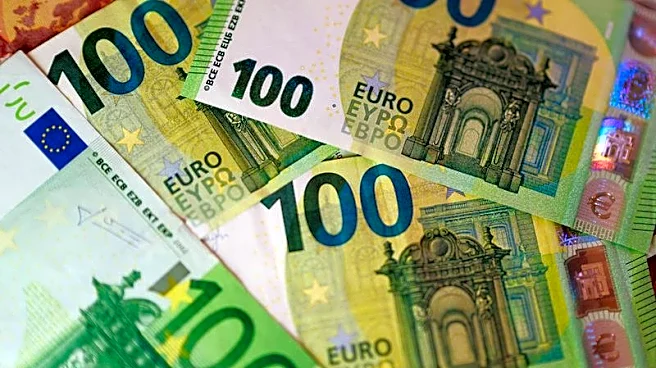
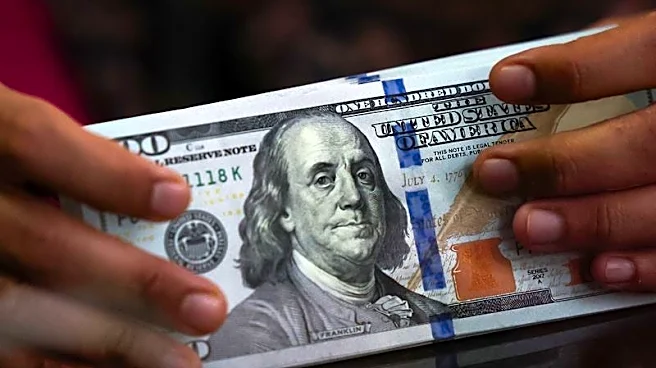
The dollar index, which measures the greenback against a basket of currencies, fell 0.15% to 102.10 after climbing to 102.46, with the euro up 0.19% at $1.1216 after falling to $1.1171 on the day.
Markets are pricing in only a 19.4% chance for a hike of at least 25 basis points, down slightly from 24.4% a week ago, according to CME Fedwatch. But investors are pricing in an 87.9% chance for a hike at the central bank's December meeting.
On the economic front, the US Labor Department said weekly initial jobless claims dipped by 2,000 to 197,000, slightly below the 200,000 estimate of economists polled by Reuters as data continues to show job market stability.
Euro zone inflation could go higher than already-elevated projections, but European Central Bank policymakers dampened near-term rate hike bets, with multiple officials arguing on Thursday that underlying trends reveal a more benign picture.
The widening gap in yields between German bonds and those of more indebted countries in the euro zone, such as France and Italy, has served to push the euro to its lowest level since May last year.
Sterling strengthened 0.18% to $1.3234 after Bank of England Governor Andrew Bailey said governments needed to redouble efforts in showing they can repair their public finances as bond markets around the world feel the strain of high levels of borrowing and rising inflation pressures.
Against the Japanese yen, the dollar weakened 0.01% to 158.06. The Bank of Japan said price increases driven by higher raw material costs were spreading to consumer goods with some firms hiking prices more often, signalling its concern over broadening inflationary pressure.
(Reporting by Chuck Mikolajczak in New York; Additional reporting by Samuel Indyk and Gregor Stuart Hunter; Editing by Alex Richardson and Matthew Lewis)