





By Ann Saphir and Howard Schneider
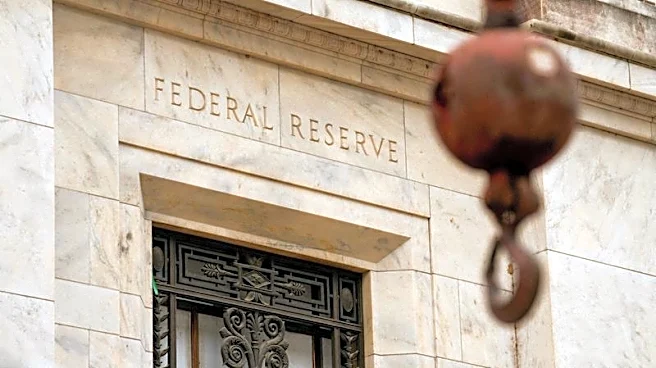
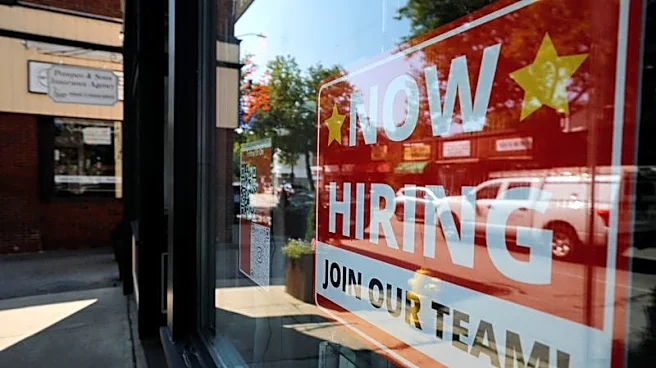
Sept 4 (Reuters) - An interest-rate hike at the U.S. central bank's policy meeting in less than two weeks is back in focus after a blowout jobs report on Friday showed employers added nearly three times as many jobs as expected in August, and workers flooded back into the labor force.
Nonfarm payrolls surged by 162,000 jobs last month, the Labor Department's Bureau of Labor Statistics said in its closely watched employment report. Economists had expected just a 56,000
gain. Labor force participation rose to 61.6%, driven by a 300,000 jump in the number of people moving from the sidelines directly into a job, and a drop in the number of workers or job seekers leaving the labor market.
The increase in the labor pool kept the unemployment rate steady at 4.1% for arguably healthy reasons -- more people working or looking for work after a period of decline attributed to tougher immigration rules and enforcement. Black unemployment, which typically runs higher than the overall rate, dropped to 6% in August after spiking to as high as 8% last fall.
Growth in hourly earnings, at 3.1%, by contrast stayed in a range consistent with the Fed's 2% inflation target.
Fed officials have in recent months characterized the labor market as solid but with wage growth not seen adding to inflation pressures.
While strong, this latest jobs report may not change that overall conclusion, putting the onus on next Friday's consumer price data to potentially seal the case for a rate hike or, if it comes in weak, boost the argument to remain on hold.
"The upshot of today’s numbers is that the September FOMC meeting remains finely balanced," Pantheon Macro economists wrote, referring to the rate-setting Federal Open Market Committee at the central bank, which next meets September 15-16. "FOMC members have uniformly signaled that inflation data will determine their next policy steps."
Traders had ratcheted up bets on a September rate hike last week after Fed Chairman Kevin Warsh told fellow central bankers in Jackson Hole, Wyoming that he did not take much signal from recent cooling in inflation and would need to see further improvement to feel confident that short-term rates are high enough to stabilize prices.
This week, several of Warsh's colleagues sounded more comfortable with staying on hold.
Fed Governor Christopher Waller on Thursday told Reuters NEXT that he would support keeping rates steady in the 3.50%-3.75% range if next week's batch of inflation data, which also includes the producer price index, shows price pressures are continuing to moderate. Friday's jobs report would likely be "satisfactory," he said, signaling it would have little impact on his own view of the proper rate path.
"Even the most committed dove would struggle to find anything in the August employment report to justify keeping interest rates unchanged," Capital Economics analysts wrote. "The prospect for a rate hike this month still depends much more on the August CPI and PPI data next week, but the strength in the labor market means we’ll only need to see data that are consistent with a moderately above-target-consistent gain in the core PCE deflator to shift our forecast back to a September hike."
After the jobs report traders on Friday nudged up bets on Fed rate hikes, with short-term interest-rate futures prices now implying about a 62% chance seen of an increase this month, up from about 55% before the report.
“While Fed officials have communicated that they are squarely focused on the inflation readings, today’s strong employment report also provides additional support for rate hikes this year,” wrote Nationwide Chief Economist Kathy Bostjancic. “We now see two, 25 basis-point rate hikes by year-end, lifting the fed funds rate to 4–4.25%.”
(Reporting by Ann Saphir, Michael S. Derby, Howard Schneider, Lucia Mutikani; Editing by Peter Graff and Andrea Ricci )