








By Wen-Yee Lee
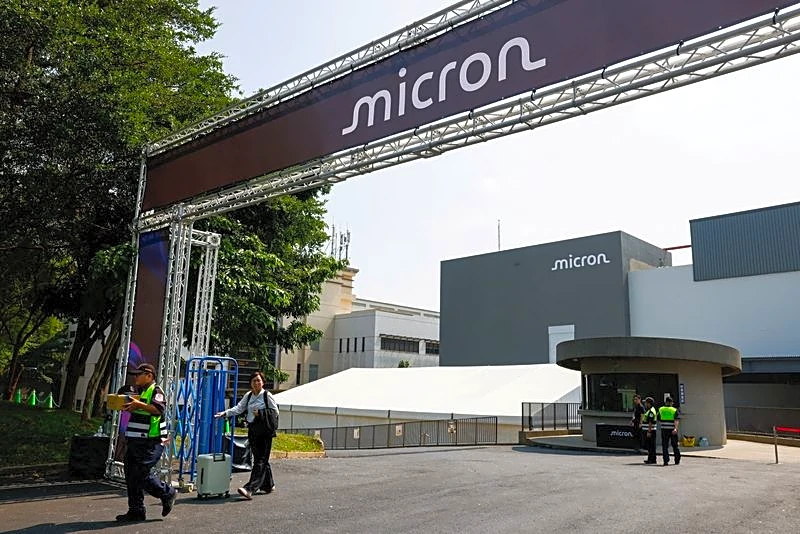
TAIPEI, Oct 21 (Reuters) - A union representing workers at a Micron plant in Taiwan said it would proceed with a planned strike on Thursday, even as the US memory chipmaker reached a deal with a separate union at a larger site.
The AI boom has boosted memory chipmakers including Micron, Samsung Electronics and SK Hynix, while also sharpening worker demands for a greater share of profits.
The Taoyuan union said Micron had failed to provide specific figures for a proposed profit-sharing
scheme during negotiations held on Wednesday. It said union representatives would stage a 24-hour strike outside the company's Taoyuan facility from 9 a.m. (0100 GMT) on Thursday.
"Micron remains hopeful that both sides will continue their dialogue," the Idaho-based company said in a statement.
Micron, the world's third-largest memory chipmaker, employs about 15,000 people in Taiwan, a key production base for its dynamic random-access memory (DRAM) chips, which store data temporarily in devices from smartphones to servers, and high-bandwidth memory (HBM) chips used in AI servers.
The Taoyuan union's announcement injected fresh uncertainty into a dispute that appeared to be cooling down hours earlier.
Earlier on Wednesday, Micron and the Taichung union, which represents workers at the company's largest Taiwan site, said in a joint statement they had signed an agreement and would withdraw from mediation talks planned for Thursday. They did not disclose the terms, saying each side would communicate details separately to affected employees.
The Taoyuan union had originally scheduled the strike to coincide with the mediation talks.
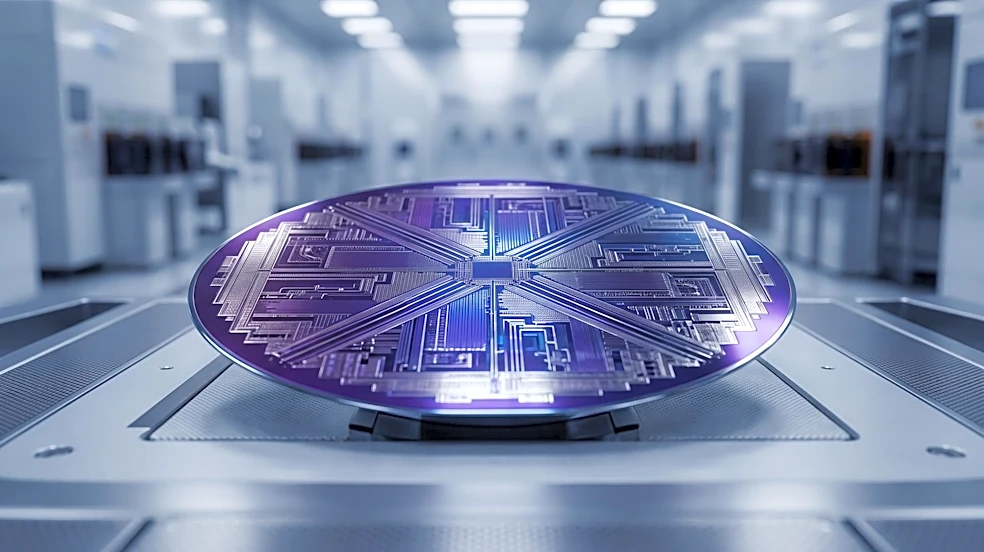
Taoyuan focuses on front-end DRAM wafer manufacturing, while Taichung produces advanced DRAM and HBM chips and handles packaging and testing, said Ellie Wang, an analyst at market research firm TrendForce.
The effect of the Taoyuan strike would depend on which production lines and key personnel were affected, Wang said. A strike would not necessarily mean a full shutdown if maintenance, process monitoring and abnormality handling were adequately staffed, she added.
If the action lasts only one day and critical production remains normal, the impact on Micron's supply and global markets would likely be limited, Wang said.
(Reporting by Wen-Yee Lee in Taipei and the Beijing newsroom; writing by Farah Master and Eduardo Baptista; Editing by Christian Schmollinger, Louise Heavens and Sanjeev Miglani)