










By Takaya Yamaguchi and Leika Kihara
TOKYO, June 25 (Reuters) - Japan's government will call for monetary policy that bolsters private demand, a draft of its long-term economic blueprint seen by Reuters showed, signalling its preference for the central bank to keep borrowing costs low.
The draft also urges the Bank of Japan (BOJ) to align its decisions with Prime Minister Sanae Takaichi's push to reflate growth, citing legal provisions requiring the central bank to coordinate policy with the government.
The dovish tone of the blueprint, which anchors long-term economic policy, may influence the BOJ's decisions on both the pace and timing of future rate increases as it transitions away from years of ultra-low borrowing costs.
"The government won't hesitate taking nimble and sufficient steps" to ensure Japan does not return to deflation, the draft said in pledging steps to boost its long-term growth potential.
"As the government seeks to achieve strong growth under its economic and fiscal policy, appropriate monetary policy that supports private demand through stable price rises is extremely important," according to the draft seen by Reuters on Wednesday.
The blueprint, to be finalised in July, will be the first to be compiled by Takaichi, an advocate of loose fiscal and monetary policy who in the past has voiced reservations over the BOJ's efforts to wean the economy off deflation-era stimulus.
While Japanese law guarantees BOJ independence, it also mandates close coordination with the government to ensure policy alignment.
Citing that requirement, the draft urges the BOJ to "work closely with the government to sustainably and stably achieve its 2% inflation target", while monitoring progress towards a "positive cycle" of wage and price gains.
The BOJ next meets on July 30-31, when it is widely expected to hold rates steady but will also update quarterly forecasts that markets will parse for signals on the timing of the next hike.
Since taking office in October last year, Takaichi has emphasised fiscal spending to revive growth, a stance that has pushed up bond yields amid concerns about Japan's worsening finances.
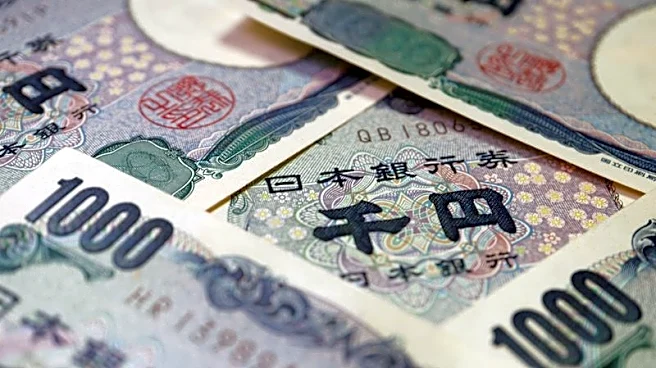
Takaichi's new growth strategy targets more than 370 trillion yen ($2.3 trillion) in investment through fiscal 2040 across 17 strategic sectors such as AI and chips.
Such ambitious spending would benefit from low rates, but mounting inflationary pressures have pushed the BOJ to exit ultra-loose policy and lift borrowing costs.
The BOJ raised its policy rate to a 31-year high of 1% this month and has signalled readiness to tighten further as higher fuel costs linked to the Iran war keep inflation near its target for almost four years.
But political pressure could complicate further tightening.
A government representative who attended the June meeting said the BOJ must take "proactive and appropriate action" if the economy worsens, a summary of opinions showed, in a sign of the administration's displeasure over rate hikes.
($1 = 161.7300 yen)
(Reporting by Takaya Yamaguchi and Leika KiharaEditing by Shri Navaratnam)