




By Gregor Stuart Hunter and Harry Robertson
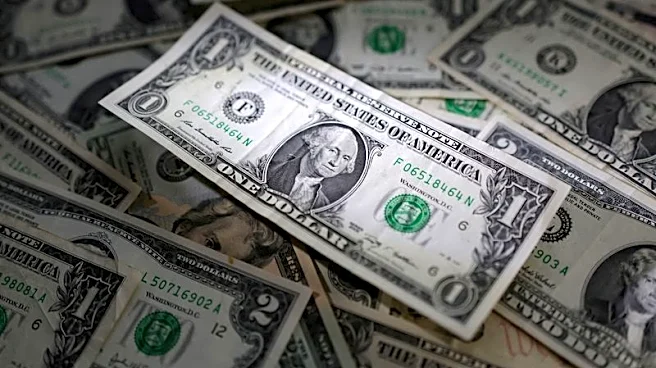
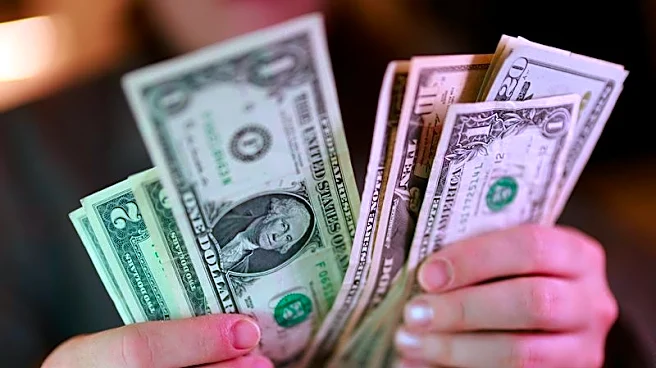
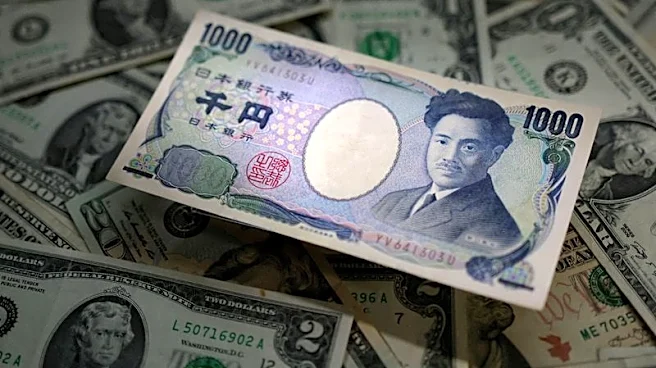
SINGAPORE/LONDON, Sept 18 (Reuters) - The yen sank to a two-week low against the dollar on Friday after two policy makers at the Bank of Japan dissented from a widely expected decision to raise interest rates, raising doubt among traders about the likelihood of further hikes.
Policymakers pushed rates to their highest level in 31 years at 1.25%, yet the move failed to boost the currency as traders felt there was a lack of explicitly hawkish guidance.
The US
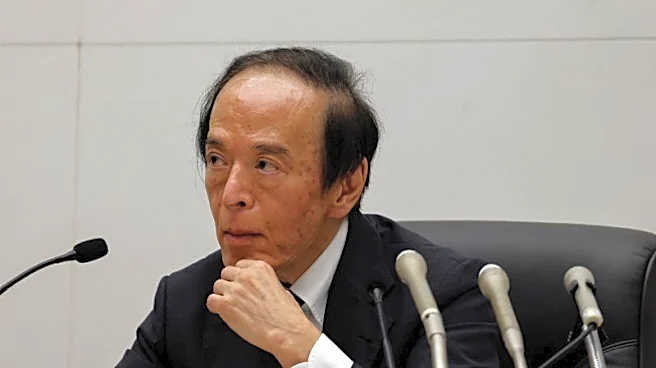
dollar rose 1.2% against the Japanese currency to a two-week high of 157.84 yen after wavering during BOJ Governor Kazuo Ueda's press conference.
It was set for its biggest daily increase versus the yen since December and the largest weekly rally since September 2024.
"They've just clearly underwhelmed versus expectations here," said Ray Attrill, head of FX strategy at National Australia Bank in Sydney.
"And I think that one of the more staggering aspects of it was that they couldn't even get the unanimous vote for that," he said. "That really raised eyebrows in the market."
Traders remained alert to the risk of intervention to prop up the currency after Finance Minister Satsuki Katayama said Tokyo won't hesitate to conduct further coordinated action, following a joint US-Japan move to boost the yen in late July.
The yen rallied sharply in early September to its highest since February as traders bet the BOJ would embark on multiple rate hikes, although those wagers came under question on Friday.
"The statement offered little additional hawkish guidance to support bullish Japanese yen positions," said Frantisek Taborsky, currency strategist at ING.
"The dissent from [Toichiro] Asada and [Ayano] Sato points to resistance against the fastest pace of rate increases in more than three decades and suggests they may increasingly act as a brake on further tightening."
Data on Friday showed Japan's core inflation held steady near the central bank's target of 2% in August.
ENERGY PRICES IN FOCUS
Elsewhere, markets were offered some relief by a further drop in oil prices to their lowest levels in around a week on signs of easing supply pressures in Saudi Arabia.
China has asked Tehran to help rein in the Iran-aligned Houthis after their military blitz on Saudi Arabia over the past week, three Iranian sources familiar with the matter told Reuters.
Currency markets were relatively placid, with the US dollar index up less than 0.1% at 100.31.
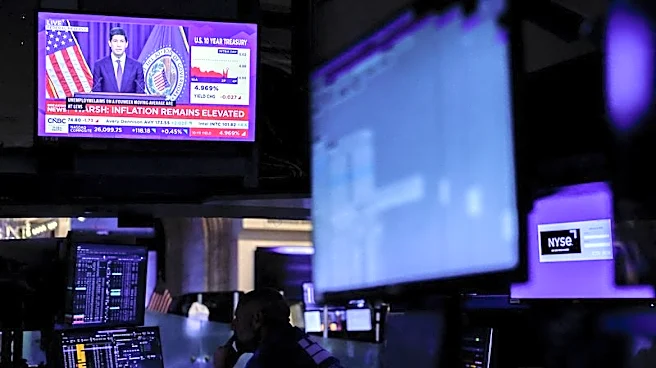
The index, which tracks the currency against six major peers, was up 1.2% for the week to around a six-week high after the US Federal Reserve hiked interest rates on Wednesday and signalled more increases could be coming.
Traders see a roughly 55% chance of a quarter-point hike at the Fed's next two-day meeting next month, up from 27% a week ago, according to the CME Group's FedWatch tool.
The euro was 0.1% firmer at $1.149 but was set to end the week 1% lower after the Fed's rate hike.
The British pound was 0.1% stronger at $1.337, after retail sales data beat expectations on Friday. The Bank of England held interest rates on Thursday but also suggested it could raise borrowing costs.
(Reporting by Gregor Stuart Hunter in Singapore and Harry Robertson in London; Editing by Thomas Derpinghaus, Clarence Fernandez, Peter Graff)