







BERLIN, April 24 (Reuters) - German federal prosecutors are investigating phishing attacks made via messaging apps, they said on Friday, after the country's main intelligence service warned of a campaign targeting high-profile politicians, diplomats, military officers and journalists.
A spokesperson said the prosecution service has conducted investigations into suspected espionage since mid-April, declining to give further details, including on targets or suspects.
News outlet Spiegel reported that
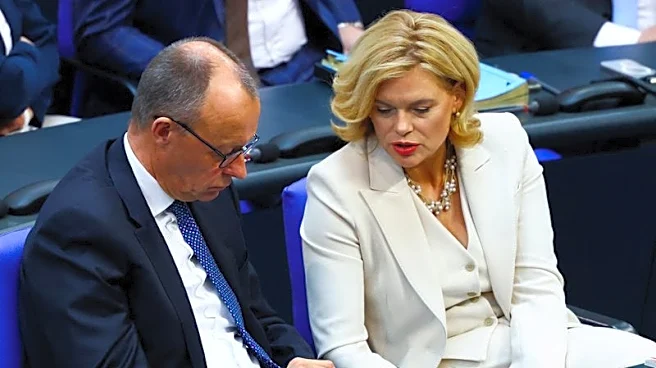
attackers compromised the Signal account of parliamentary president Julia Kloeckner and unsuccessfully attempted to attack Chancellor Friedrich Merz's account. Both are members of the CDU, the governing conservative party.
The parliament's press office declined to comment.
Domestic intelligence service BfV and cybersecurity office BSI have warned this year of attacks on users of messaging apps, likely carried out by a state-sponsored actor.
"Recent findings indicate that the campaign is still active and gaining momentum," BfV said earlier this month.
A government spokesperson on Friday declined to give details, but said communications of the government, the chancellor and his ministers take place via secure channels.
Security services have said attackers use neither malware nor exploit technical vulnerabilities in the messaging services, instead relying on the applications' legitimate security features combined with social engineering to gain unnoticed access to individual and group chats and contact lists.
The focus of the attacks is on messaging service Signal, although comparable methods are also conceivable for Meta Platforms' WhatsApp, according to BfV and BSI.
(Reporting by Thomas Seythal, additional reporting by Friederike Heine, editing by Kirsten Donovan)