




By Johann M Cherian and Tom Westbrook
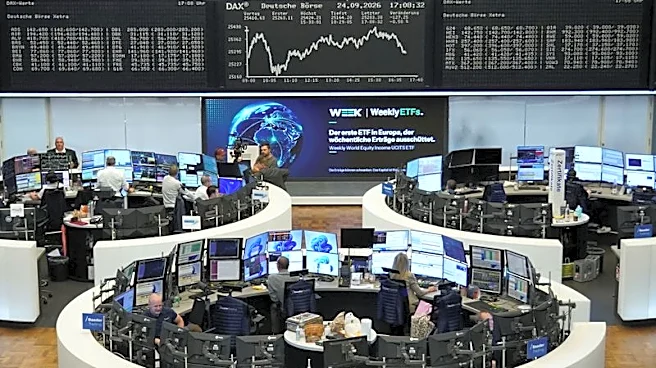
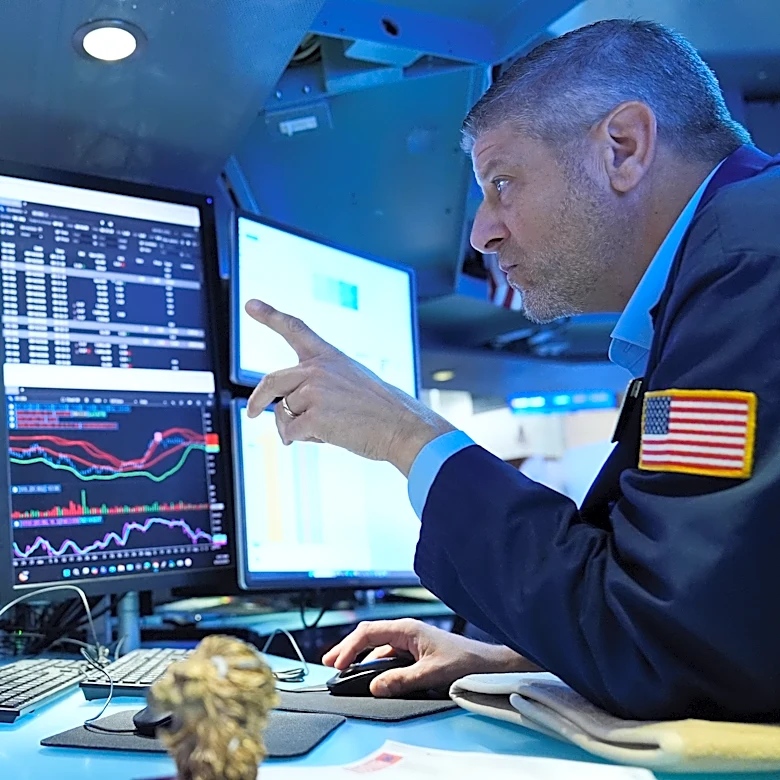
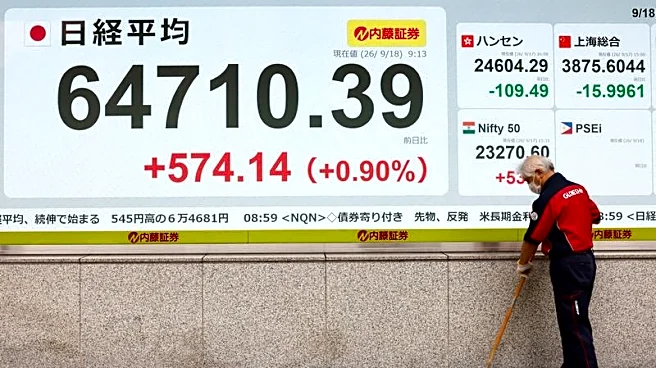
Sept 29 (Reuters) - Tech stocks advanced in Europe and Nasdaq futures edged higher on Tuesday as optimism over AI lab Anthropic's plans for a public debut outshone concerns over elevated oil prices and global bond yields.
Reuters reported that Anthropic's upcoming public debut could value the company at more than $2 trillion, and that it was planning to spend $518 billion on cloud, computing and infrastructure, which could boost the businesses of AI infrastructure companies
such as semiconductors.
The STOXX 600's tech sector surged 2.5% to a six-week high and futures tracking Wall Street's Nasdaq edged 0.3% higher, with chip stocks such as Micron and Advanced Micro Devices up about 1% in premarket trading.
"Anthropic has really leapfrogged OpenAI and is really considered the market leader and there's a lot of excitement at the prospect of getting involved in the IPO," David Morrison, a senior market analyst at Trade Nation said.
"Historically, tech has been so scalable and it doesn't rely on infrastructure. Now that's not the case anymore. Tech is very, very heavily reliant on heavy infrastructure spending."
Anthropic has also called for more AI regulation and that could be a key focus when US President Donald Trump meets with House Speaker Mike Johnson and tech executives, such as the AI lab's Dario Amodei and Meta's Mark Zuckerberg later in the day.
Equities were trying to shake off the overhang from elevated bond yields in the face of the seven-month-old war in the Middle East and soaring debt issuance both from governments and global AI companies. September is set to mark one of the heaviest bond selloffs in heavily indebted European economies and the US in the past few years.
Yields on French 10-year bonds were pinned near 2008 highs at 4.74% and were set for their biggest monthly rise since 2022, while those on US 10-year notes were hovering near 19-year highs at 5.21% and were on track for their biggest monthly jump since 2024.
Sovereign yields are an anchor for global markets, a reference price for investing in riskier stocks and a benchmark for mortgages and corporate borrowing. Higher rates pile pressure on government, corporate and household budgets.
However, analysts such as John Plassard, at Switzerland-based Cité Gestion, say strong employment, consumer spending, and AI capital expenditures are likely to prop up the US economy, potentially making it less sensitive to Federal Reserve interest rate hikes.
DOLLAR STANDS TALL
Higher US yields and uncertainty over the timeline of the Middle East conflict kept the dollar afloat versus the euro at $1.1347 and the Japanese yen at 157.28 per dollar. The dollar index, which tracks the US currency against a basket of six others, was poised for its first monthly gain since June.
A US report on job openings in August is due later in the day and will kick off a number of key US economic data this week that will be key drivers for Federal Reserve monetary policy. Investors see a 68.1% chance for a 25-basis-point hike in October, the CME Group's FedWatch Tool showed.
Investors also weighed US and Iranian officials' renewed efforts to end the conflict, as Brent crude futures slipping 0.9% to $104.3 a barrel.
Elsewhere, Australia's central bank lifted rates to a 15-year high. However, the country's currency gave up some initial gains as some of the governor's comments were viewed as dovish.
Gold prices struggled to recover from a more than seven-week low as higher yields limited the non-yielding asset's rise. It was last at $4,150.59 per ounce.
Among cryptocurrencies, bitcoin inched up 0.9% to $84,274.02. It has retreated roughly 4% from the more than seven-month high it hit earlier this month.
(Reporting by Tom Westbrook in Singapore and Johann M Cherian in Bengaluru; Editing by Stephen Coates, Thomas Derpinghaus and Andrew Heavens)