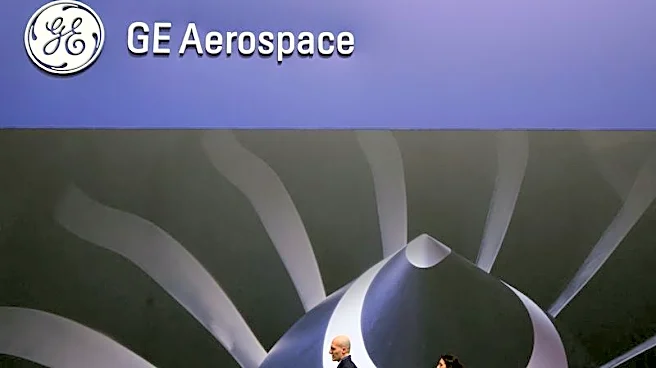





April 21 (Reuters) - GE Aerospace said on Tuesday it was on track to hit the high end of its 2026 profit outlook, even as it warned of bottlenecks from higher oil prices, fuel supply constraints and slower global growth.
The jet-engine maker had previously forecast its annual profit between $7.10 and $7.40 per share. But now its forecast accounts for chances of Brent crude prices remaining elevated through the third quarter before easing by year‑end and a near‑term impact from fuel availability constraints.
The outlook also factors in weaker global GDP growth and flat-to-low single‑digit growth in departures in 2026, but does not assume a global economic recession.
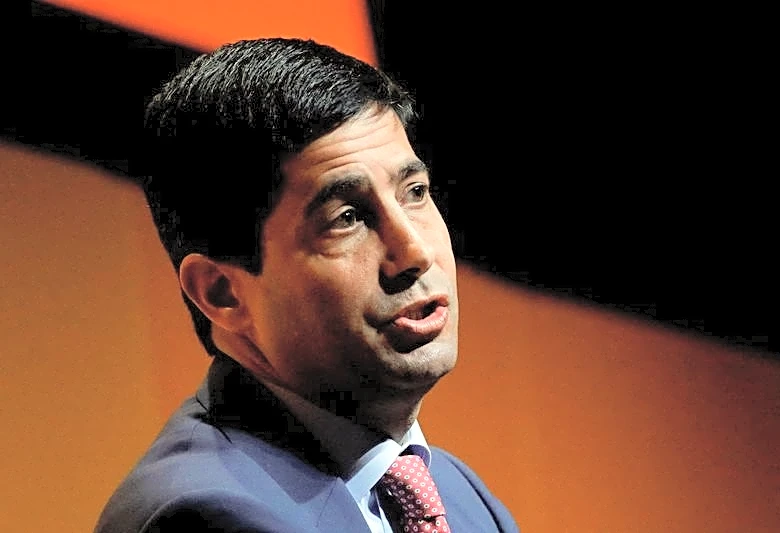
"With the dynamic geopolitical landscape, we're holding our full-year guidance across the board and are trending toward the high-end of the range given our strong start to the year," CEO Larry Culp said in a statement.
Shares of the company were up 2.4% in premarket trading.
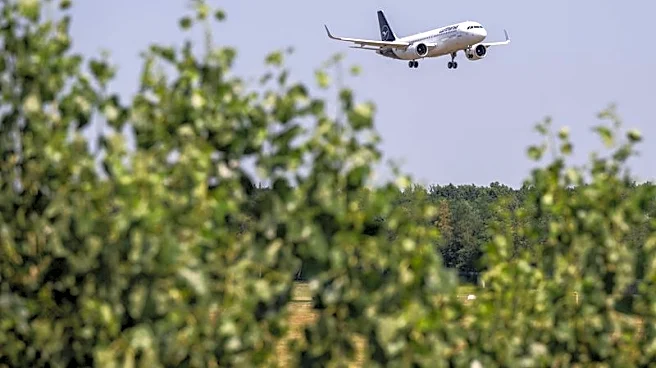
Even though planemakers Boeing and Airbus have stepped up deliveries, the availability of new jets is yet to match the demand from airlines, forcing carriers to use their ageing fleets.
The crunch has benefited engine makers, whose large share of profit comes from not selling engines but from long-term service contracts with airlines.
GE Aerospace is also benefiting from improving supply-chain conditions that have helped the engine maker deliver more new engines.
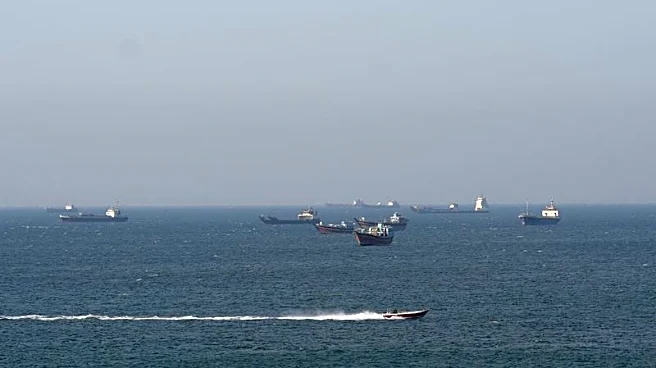
However, airlines are buckling under surging jet fuel costs after U.S.-Israeli strikes on Iran choked off the Strait of Hormuz, a vital artery for global oil shipments, delivering the industry's most severe shock since the COVID-19 pandemic.
Faced with higher costs, carriers are cutting capacity and pruning unprofitable routes, steps that could also curb spending on aircraft maintenance and aftermarket services.
GE Aerospace reported an adjusted profit per share of $1.86 for the quarter ended March 31, compared with $1.49 a year ago.
Total revenue rose 25% to $12.39 billion.
(Reporting by Shivansh Tiwary in Bengaluru; Editing by Arun Koyyur)