
WASHINGTON, April 30(Reuters) - U.S. inflation accelerated in March as the Iran war raised gasoline prices, bolstering financial market expectations that the Federal Reserve could keep interest rates unchanged well into next year.
The personal consumption expenditures price index jumped 0.7% last month, the largest gain since June 2022, after an unrevised 0.4% rise in February, the Commerce Department's Bureau of Economic Analysis said on Thursday. The increase was in line with economists' expectations.
In the 12 months through March, PCE inflation shot up 3.5%, the biggest rise since May 2023, after increasing 2.8% in February. The data was included in the advance first-quarter GDP report also published on Thursday.
The BEA has caught up on key data releases following delays caused by last year's government shutdown.
Inflation was already elevated before the war, largely because of President Donald Trump's sweeping import duties.
The average national retail gasoline price surged 24.1% in March, data from the U.S. Energy Information Administration showed. Prices at the pump have continued to rise, hitting their highest level in nearly four years this week.
Excluding the volatile food and energy components, the PCE price index rose 0.3% in March after increasing 0.4% in February. In the 12 months through March, so-called core PCE inflation advanced 3.2% following a 3.2% increase in February.
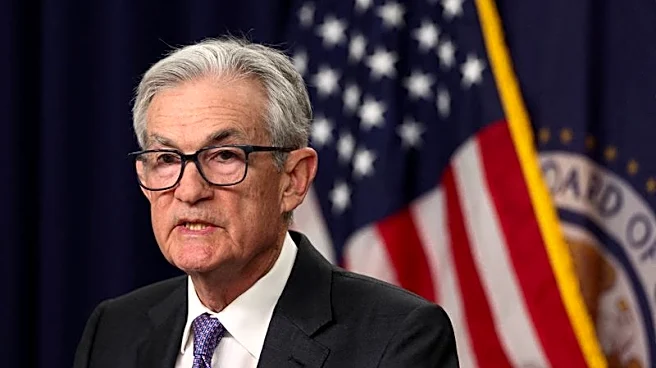
The Federal Reserve tracks the PCE price measures for its 2% inflation target. The U.S. central bank left its benchmark overnight interest rate in the 3.50%-3.75% range on Wednesday citing rising inflation concerns from the conflict.
Inflation boosted consumer spending in March. Consumer spending, which accounts for more than two-thirds of economic activity, surged 0.9% after rising 0.6% in February. When adjusted for inflation, spending rose only 0.2% after gaining 0.3%, setting consumption and the overall economy on a slower growth trajectory heading into the second quarter.
Economists expect the economic fallout from the war to be more pronounced in the second quarter.
(Reporting by Lucia MutikaniEditing by Alexandra Hudson)