




By Jonathan Stempel
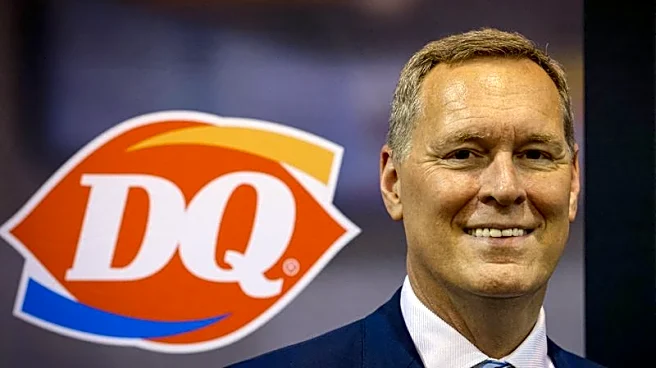
OMAHA, Nebraska, May 4 (Reuters) - Middle East tensions including war in Iran have led Berkshire Hathaway-owned Dairy Queen to put expansion plans in the region on hold, as cautious franchisees address supply-chain disruptions, the restaurant chain's chief executive said.
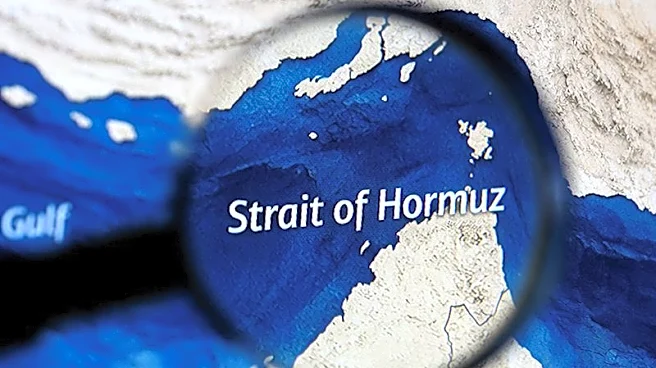
Speaking during Berkshire's annual shareholder weekend in early May, Chief Executive Troy Bader said shipping restrictions through the Strait of Hormuz require finding alternative routes to ship products that cannot
be obtained locally.
Dairy Queen operates in Bahrain, Kuwait, Oman, Qatar and the United Arab Emirates, according to its website, and had expressed interest in entering Saudi Arabia.
"Where is Middle East expansion now? We are still highly interested, but right now we are more in a hold position," Bader said.
"Franchisees over there are saying they want to wait to see what happens," he continued. "It's hard to start up a new brand in any new country. You have to reach scale quickly."
LOWER-INCOME DINERS 'WEARY' OF INFLATION
International Dairy Queen, the Bloomington, Minnesota-based company's full name, has more than 7,900 stores in 20 countries.
Its fastest expansion has been in China, where it has more than 1,800 stores and same-store sales grew 10% last year. Total sales rose about 3% in 2025 to nearly $6.6 billion.
Bader said Dairy Queen's U.S. customer base has begun to "segment," with wealthier diners continuing to buy Blizzard ice cream treats, burgers and chicken strips, while lower-income consumers feel the pinch from elevated borrowing costs and inflation at a nearly three-year high.
"Many are becoming a little weary," Bader said. "We've had persistent inflation, and interest rates remain high. Most recently, we've seen a significant and fast increase in fuel prices." For some of them, Dairy Queen offers $5 mix-and-match food options and $7 meal deals.
AI WITH YOUR ICE CREAM
Artificial intelligence is also part of Dairy Queen's future, as it prepares to test a chatbot developed by technology company Presto in about 50 drive-thrus.
An initial test found the bot got 90% of orders right. That sounds low, but Bader said employees monitor AI-generated orders, and his goal is for accuracy topping 99%. He also said AI frees employees to do other jobs.
McDonald's, Yum Brands' Taco Bell, Restaurant Brands International's Burger King and Wendy's are among other restaurant chains that have tested AI in the ordering process.
"If you didn't have AI, for the individual at the window, taking orders would be 100% of what they're doing," Bader said. "While I'm listening, I can be monitoring the quality of the product, or providing hospitality to a guest in a different way. It's about elevating the customer experience."
(Reporting by Jonathan Stempel in Omaha, Nebraska; Editing by Bill Berkrot)