




By Erwin Seba
HOUSTON, Nov 13 (Reuters) - Oil prices sagged on Friday, set for a second straight weekly decline, as signs of a growing global supply surplus weighed on the market and Washington's focus on blockading Iran while ramping up other economic pressures allayed fears of renewed hostilities in the nine-month war.
Brent futures were down 5 cents, or 0.05%, to $95.77 a barrel at 11:46 a.m. CDT (1746 GMT). US West Texas Intermediate futures fell 17 cents, or 0.19%, to $88.57 a barrel.
For the week,
Brent and WTI were both on track for a drop of around 2%. The benchmarks fell 16% and 13%, respectively, last week.
With lower geopolitical risk from the US-Israeli war against Iran and the release on Friday of an International Energy Agency report pointing to a rise in the global oil surplus, the market is going through a major shift.
"It's clear the biggest fear a few months ago was a fear of shortage," said Phil Flynn, senior analyst with the Price Futures Group. "Now it looks like the biggest fear is a surplus."
Oil had a volatile trading week, with earlier hopes for a rapprochement between the US and Iran offset by strikes on Saudi Arabian infrastructure by Yemen's Iran-backed Houthis and attacks on tankers shipping crude out of the Gulf.
US President Donald Trump said on Truth Social that a deal with Iran was not necessary to end the war.
"Trump's indications that further military escalation against Iran may not be necessary have raised expectations that Washington could increasingly rely on economic sanctions and restrictions on oil shipments rather than intensifying military operations," said Sugandha Sachdeva, founder of SS WealthStreet, a New Delhi-based research firm.
The weakness in oil prices is also driven largely by signs of softening US demand, as rising crude oil and fuel inventories indicate a relatively subdued consumption outlook, Sachdeva said.
US crude and fuel inventories rose last week, driven by softer refined products demand and a jump in oil imports, the Energy Information Administration said on Thursday.
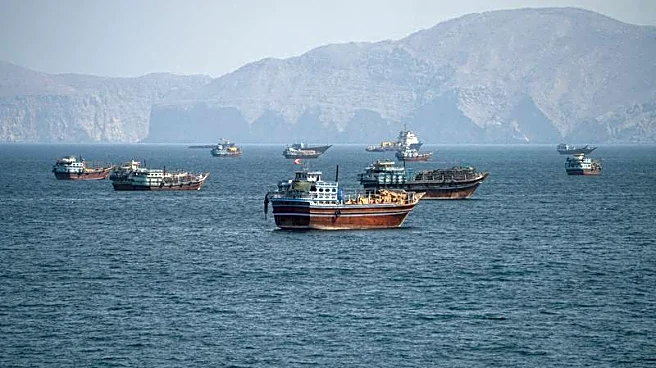
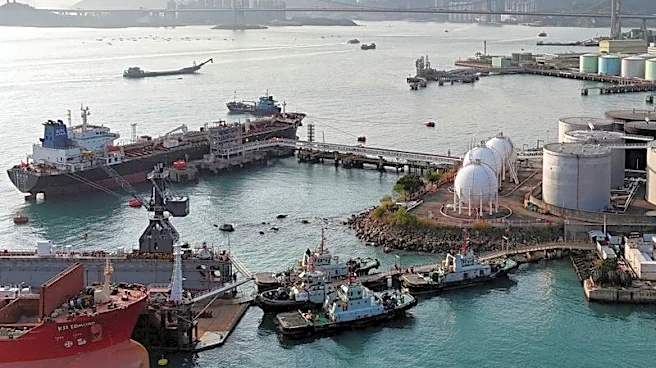
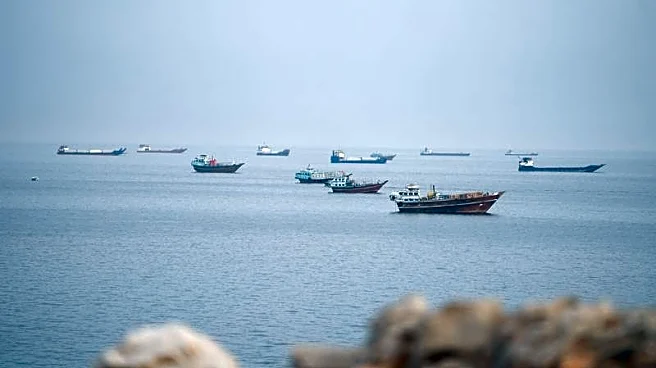
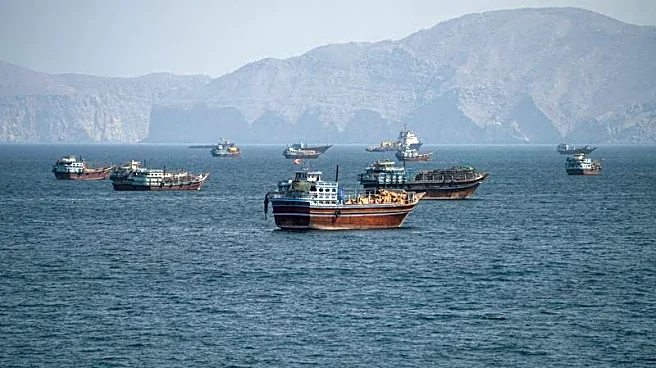
Despite the easing prices, risks remain for oil shipments out of the Strait of Hormuz, the key waterway for crude exports from the main Middle East producers.
On Thursday, Iran's military said four oil tankers were hit by explosions in the waterway after ignoring warnings. Reuters could not immediately verify the Iranian accounts.
That same day, the Houthis said they had attacked a pumping station on the Saudi East-West oil pipeline, an oil facility in the Saudi Red Sea city of Yanbu, and an Aramco building in the capital Riyadh.
(Reporting by Anna Hirtenstein in London; Additional reporting by Ahmad Ghaddar, Helen Clark and Sethuraman N R; Editing by Chizu Nomiyama, Elaine Hardcastle and Paul Simao)