
March 2 (Reuters) - A look at the day ahead in European and global markets from Wayne Cole.
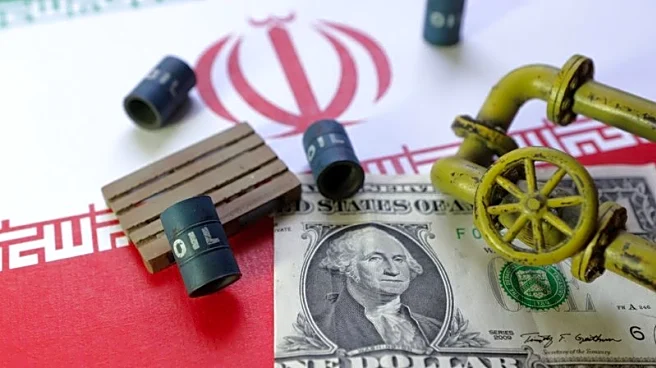
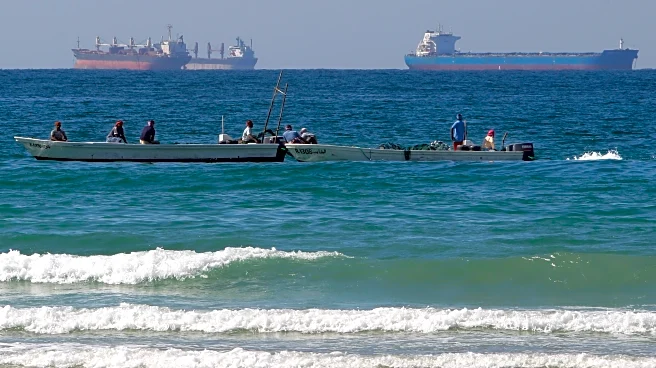
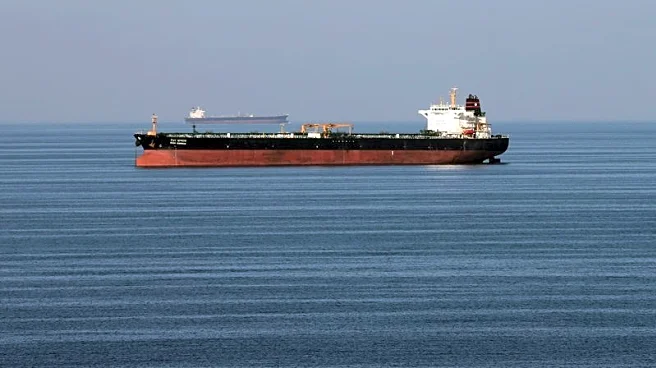
Suddenly, everyone's an expert on crude shipping through the Strait of Hormuz. Marine Traffic shows the red dots of tankers piling up each side of the vital waterway that carries a fifth of the world's seaborne oil trade, a similar amount of liquefied natural gas and apparently a third of its fertiliser.
Much of the oil flows to Asia, and particularly China which was the main buyer of Iranian crude.
The strait
isn't closed as such, but with three tankers already damaged in the Gulf, shippers are naturally reluctant to risk passage, that's if they can afford the added war insurance. Charter rates for very large tankers had already ballooned before the attacks and this will only add to costs.
The blockage could clear quickly should the shooting stop, but that might not be soon. President Trump told the Daily Mail the attacks may go on for four weeks, or at least until the United States' "very strong objectives" were reached. What those objectives are, is harder to say.
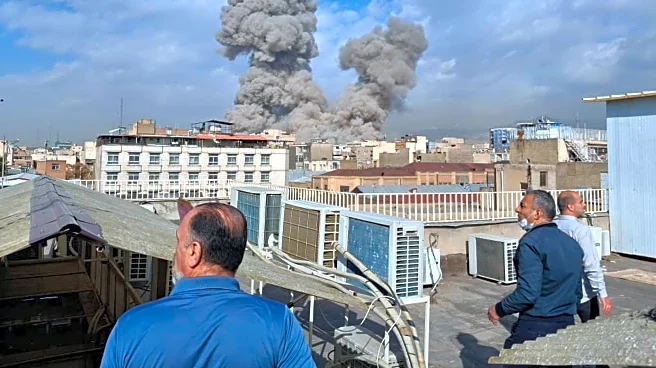
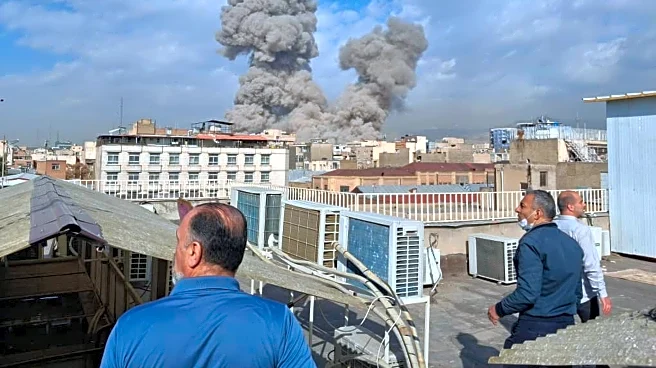
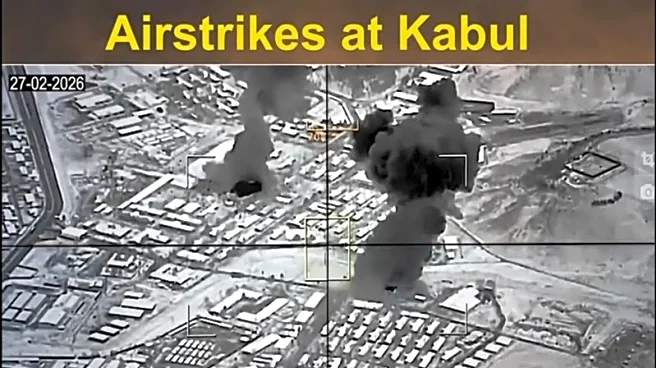
The U.S. strikes - reportedly 1,000 or more - appear to have been right across Iran and on a host of sites, not just air defence and intelligence but warehouses and barracks. Whether there is enough ammunition, especially of advanced missiles, to last a month is unknown.
Israel launched a new wave of air attacks on Tehran on Sunday and Iran responded with more missile barrages, a day after the killing of Supreme Leader Ali Khamenei.
OPEC+ did decide to lift crude oil output by 206,000 barrels per day from April, but that's just 0.2% of global oil demand and much of that will still need to be shipped.
Investors reacted by pushing Brent up almost 6% to around $77.00, though it had briefly topped $82.00 at one point. This brought gains for the year so far to more than 26%, and some analysts are talking of $100 as a nice round target. If persistent, such a rise risks reigniting inflation while acting as a tax on consumers and businesses globally.
It was notable that 10-year Treasury yields initially fell to an 11-month low at 3.926%, only to reverse to 3.970%. Fed fund futures are down 4 ticks out to December, implying slightly less chance of aggressive rate cuts with a June move at 50-50.
The reaction in FX was muted, with the dollar up a shade on the euro and yen, but down slightly on the Swiss franc. The Norwegian krone should do well out of the jump in oil but is little traded in Asia.
Share markets across Asia are in the red, with airlines and banks among the biggest losers. European and U.S. stock futures are down, though off their early lows. For now, it's back to tanker watching.
Key developments that could influence markets on Monday:
* Appearances by ECB board member Frank Elderson, DeputyGovernor of Riksbank Anna Seim, Bank of England MPC's AlanTaylor, Bank of Japan's Deputy Governor Ryozo Himino * EU and global PMIs, US ISM manufacturing survey, Germanretail sales, UK house prices(By Wayne Cole; Editing by Christopher Cushing)