





By Stephen Culp and Tharuniyaa Lakshmi
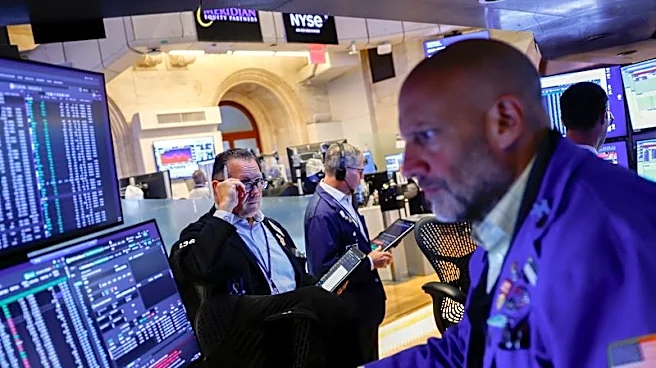
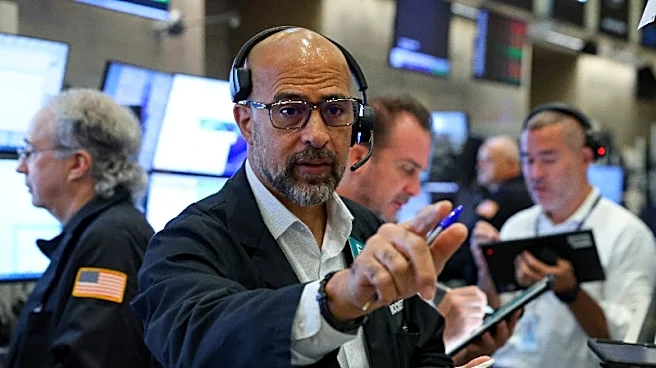
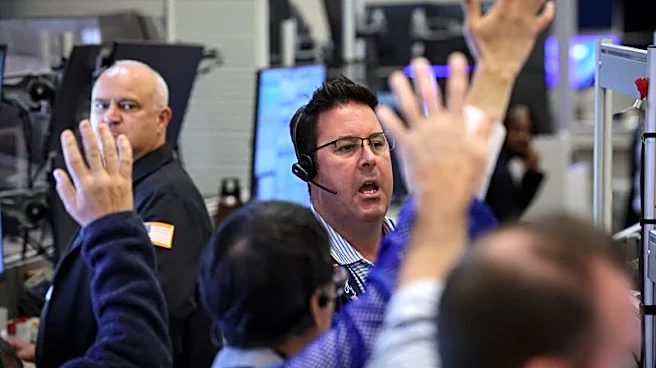
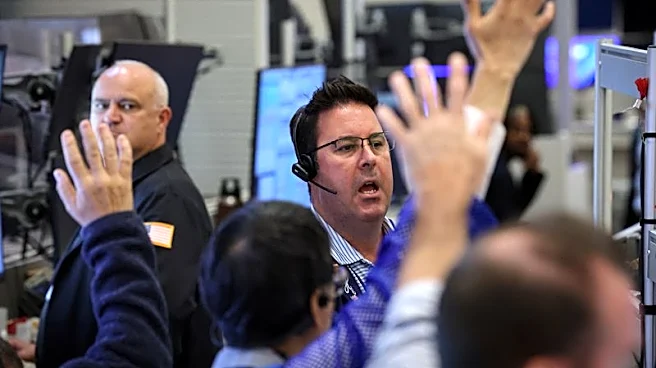
NEW YORK, Sept 17 (Reuters) - Wall Street bounced back on Thursday as easing oil prices, dropping US Treasury yields and solid labor data helped markets move beyond the Federal Reserve's first interest rate hike in more than three years.
All three major US stock indexes closed sharply higher, driven by a broad, tech-led rally that put the Nasdaq out front.
"We're seeing interest in the areas of the market that have been hit hard in anticipation of this Fed rate
hike," said Robert Pavlik, senior portfolio manager at Dakota Wealth in Fairfield, Connecticut. "And people sort of stepping in, doing a little bit of buying on the pullback."
Crude prices dropped, touching a one-week low after supply disruption fears were calmed by reports of Saudi oil moving through Oman.
Oil pared losses as the Middle East remained tense. Energy prices have soared since the onset of the US-Israeli war against Iran, feeding into broader global inflationary pressures.
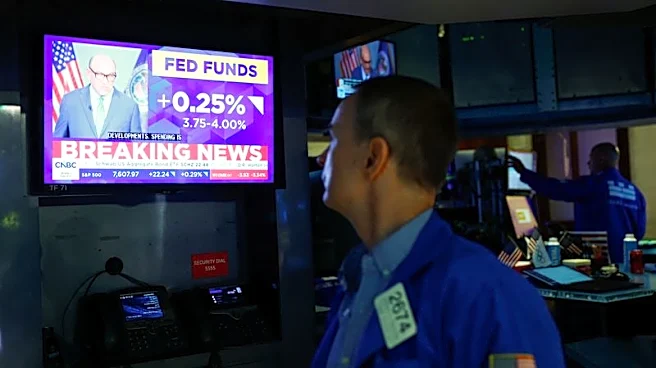
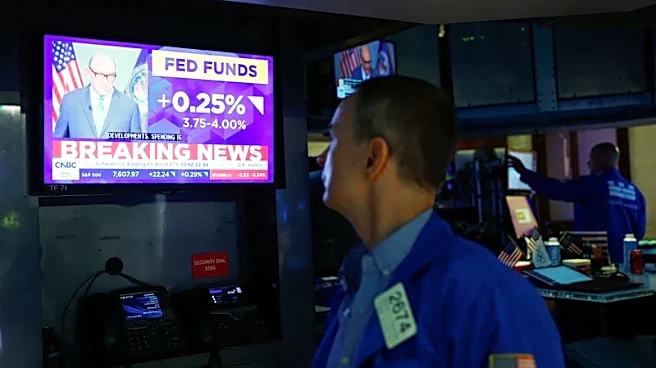
On Wednesday, Fed policy makers voted unanimously to raise the Fed funds target rate for the first time since July 2023. The central bank's statement said the Fed was dedicated to bringing about a "timelier return" to its 2% inflation goal, setting the table for more tightening this year.
"The market is a bit relieved at the Fed's coherence in that they all voted in the same way," said Ross Mayfield, investment strategy analyst at Baird in Louisville, Kentucky. "Fed Chair Warsh re-emphasized the Fed's independence."
Financial markets are currently pricing in a 53.1% likelihood of another 25-basis-point rate hike at the Fed's next meeting in October, up from 27.2% a week ago, according to CME's FedWatch tool.
Fed Chair Kevin Warsh stated at his press conference on Wednesday that the US economy is strong, and ensuring price stability need not harm the job market, a view sustained by the Labor Department's weekly jobless claims report, which showed initial claims dipping to near-1969 lows.
The CBOE Market Volatility Index, often called "the fear index," touched its lowest level in over a week, moving in concert with easing crude prices.
"When you have an oil shock this lengthy, it's bound to start to seep in prices all across the economy. It's really the only major headwind facing the global economy right now," Mayfield added. "And to get any sort of relief or resolve there is a tailwind for consumers, it's a tailwind for corporates, and it allows the Fed to be less hawkish."
According to preliminary data, the S&P 500 gained 86.09 points, or 1.14%, to end at 7,637.90 points, while the Nasdaq Composite gained 432.07 points, or 1.66%, to 26,410.50. The Dow Jones Industrial Average rose 319.73 points, or 0.61%, to 51,774.38.
Gold and silver miners and chips were among the clear outperformers.
Homebuilders gained ground after housing data showed single-family housing starts and pending home sales increased last month.
Interest rate-sensitive banks stabilized after Wednesday's 2.3% selloff.
Crypto-linked stocks rose after the US Securities and Exchange Commission unveiled a five-year exemption for tokenized stock trading. Circle Internet Group, Robinhood, and Coinbase closed higher.
CoreWeave fell after it announced plans to raise capital via stock and convertible bond offerings.
Fluence Energy tumbled after lowering its revenue forecast for fiscal year 2026.
(Reporting by Stephen Culp; Additional reporting by Niket Nishant and Tharuniyaa Lakshmi in Bengaluru; Editing by David Gregorio)