



By Rajesh Kumar Singh and Shivansh Tiwary
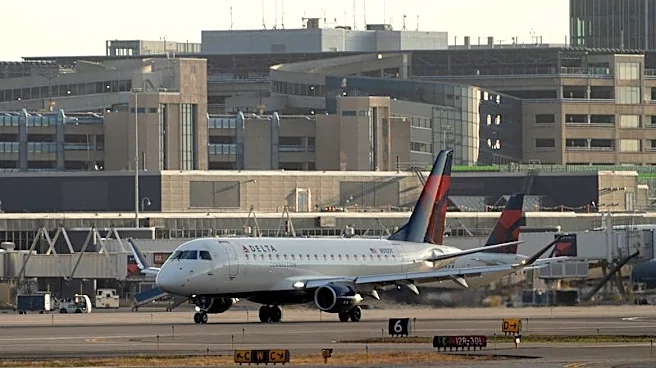
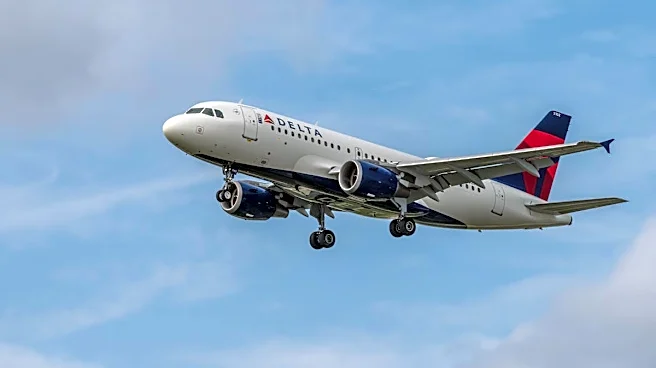
CHICAGO, Oct 9 (Reuters) - Delta Air Lines said on Friday that the industry may need to curb flight growth further next year to protect profitability, as surging fuel costs forced the carrier to cut its 2026 profit forecast by nearly a quarter despite strong travel demand and higher ticket prices.
The warning highlights a growing challenge for US airlines. While strong demand and limited seat growth have helped them raise fares sharply to offset higher fuel
costs, adding too many flights in an effort to capture more of that demand could intensify competition for passengers, making it harder to sustain higher fares and protect profits.
The Atlanta-based airline now expects its annual fuel bill to rise by roughly $6 billion from last year, about $2 billion more than it projected in July, as the Iran war has driven jet fuel prices sharply higher worldwide.
Airlines globally are bracing for a prolonged fuel shock. Ryanair Group CEO Michael O'Leary said on Thursday that elevated jet fuel prices could persist for another 12 to 18 months, adding to pressure on airlines to raise fares and control costs.
"In a high-cost environment you cannot grow your way out of it," Delta Chief Executive Ed Bastian said on a call to discuss company results and outlook. The industry has already taken steps to restrain capacity, but more will be needed next year to improve profitability, he said.
Bastian said Delta had raised ticket prices by roughly 20% this year with limited resistance from travelers. He expressed confidence that those higher prices could be sustained even after fuel costs eventually decline.
Delta cut its adjusted annual earnings outlook to $5.10 to $5.60 a share, from its $6.50 to $7.50 forecast in July. The midpoint of the new range is below analysts' average estimate of $5.46, according to LSEG data.
Third-quarter adjusted profit of $1.72 per share missed analysts' average estimate by 4 cents.
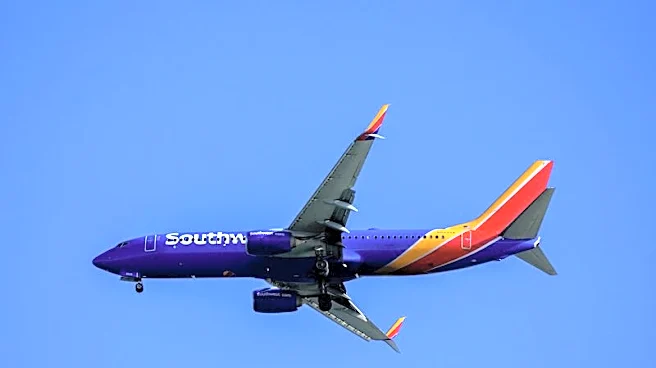
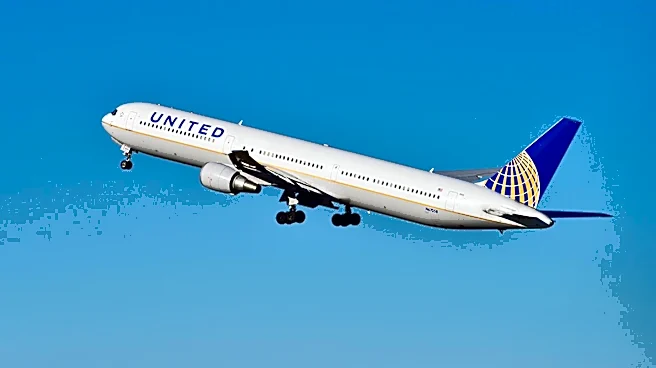
Its shares were down 1.7% in afternoon trading, while United Airlines was off 1.4%. American Airlines and Southwest Airlines both fell about 1%.
Delta has some protection against higher fuel costs through its ownership of a refinery outside Philadelphia, which is expected to provide a benefit of more than $700 million this year. Even with that protection, the airline expects its fuel cost to rise to $4.25 a gallon in the fourth quarter from $3.61 in the third.
Delta expects fourth-quarter adjusted earnings of $1.15 to $1.65 a share, with the $1.40 midpoint roughly in line with analysts' average estimate of $1.39.
HIGHER FARES
US airlines spent $42.9 billion on fuel in the first eight months of 2026, up $13.2 billion from a year earlier despite slightly lower consumption, according to government data. Strong demand and limited seat growth helped push US airline fares about 25% higher year-on-year on average from April through August, according to the Bureau of Labor Statistics.
Melius Research analysts said Delta's ability to raise fares was helping it keep second-half earnings broadly flat despite soaring fuel costs. But they cautioned that its profit margins have struggled to improve for years.
"Holding or improving fares in 2027 is the linchpin for higher margins," they wrote in a note.
The challenge could become more acute as industry capacity growth is scheduled to accelerate in the fourth quarter.
Deutsche Bank analysts expect the industry to recover a smaller share of higher fuel costs through revenue measures in the fourth quarter, with full recovery not expected until early 2027.
Bastian pointed to weak returns across the industry as another reason to restrain capacity growth.
He said Delta would remain cautious about its own capacity plans for 2027 until there was greater clarity on fuel prices. International routes would likely account for more of Delta's expansion than domestic flying, he added.
For now, Delta said premium and corporate travel continued to show strength, while its main cabin business was also improving. With more than 60% of the fourth quarter already booked, Delta expects revenue to grow about 20% from a year earlier despite modest capacity expansion.
Executives said early booking trends for the first quarter of 2027 were similarly encouraging.
(Reporting by Rajesh Kumar Singh and Shivansh Tiwary; Editing by Jamie Freed, Christian Plumb, Pooja Desai and Bill Berkrot)