




July 29 (Reuters) - U.S. mortgage interest rates climbed to their highest in about a year last week on an array of home loan products after a resumption of U.S.-Iran fighting drove up both oil prices and the inflation-sensitive Treasury yields that underpin residential borrowing costs.
The contract rate on a 30-year, fixed-rate mortgage — the most common U.S. home loan — climbed 7 basis points to 6.76% in the week ended July 24, just shy of a one-year high, the Mortgage Bankers Association said on Wednesday.
The rate on 15-year, fixed-rate loans climbed 11 basis points to 6.15%, the highest in just over a year.
Meanwhile, rates on adjustable-rate mortgages, which can be a more affordable option in the face of high fixed-rate costs but come with the risk of a higher rate reset later on, also moved higher. The rate on a 5-year ARM edged up to 5.98% last week.
With the Federal Reserve set to announce a decision on interest rates later on Wednesday and expectations building that rate hikes are coming, if not immediately then almost certainly within the next two months, there seems little prospect for a pullback in mortgage rates anytime soon.
Inflation by the measure the Fed uses for its 2% inflation target was running at a 4.1% annual rate in May. While it is expected to have slipped back to 3.7% last month, the pullback may prove short-lived given the unpredictable nature of Middle East hostilities and the renewed pressure on energy prices.
That has also kept upward pressure on the longer-dated Treasury yields that act as benchmarks for mortgage rates and are themselves sensitive to the inflation outlook. The 10-year Treasury note yield was around 4.63% on Wednesday, not far from the 18-month high of 4.70% touched last week.
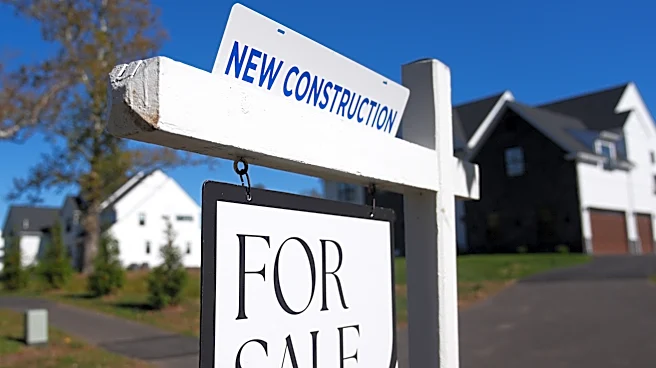
The spike in rates has put a damper on mortgage application volumes. MBA's mortgage market index dropped 6.4% last week on a seasonally adjusted basis to its lowest in a year, led by a 9.9% fall off in loan refinancing applications, which skidded to a 13-month low. Application volumes for loans to purchase a home also fell.
“This upward trajectory in rates continues to significantly impact refinance borrowers, with a 10% decline in refinance applications, including a steeper drop in government refinances," said Joel Kan, MBA’s deputy chief economist. "Despite housing inventory increasing in certain markets, higher rates have added to ongoing affordability challenges for many homebuyers, which drove the decrease in purchase activity over the week.”
(Reporting by Dan Burns; Editing by Andrea Ricci)