




By Siddharth Cavale
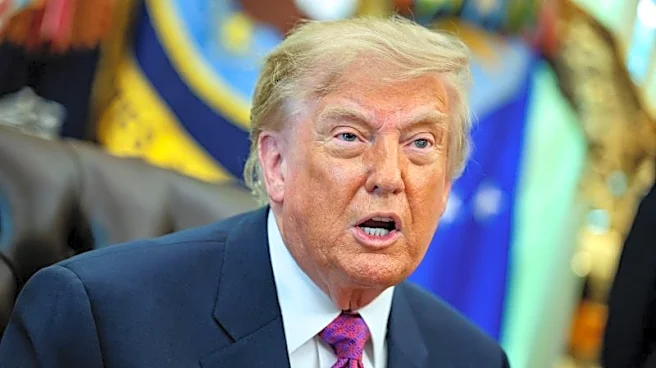
NEW YORK, Aug 27 (Reuters) - Brent crude prices jumped by more than $2 a barrel on Thursday, after a Wall Street Journal report said U.S. President Donald Trump is not interested in returning to terms of a memorandum of understanding reached with Iran in June.
The report, citing people familiar with the matter, said the Trump administration has repeatedly told mediators it has no interest in reviving the June agreement, complicating a flurry of diplomatic efforts this week to restart
talks.
Earlier on Thursday, Washington confirmed it was not in talks with Iran despite diplomatic efforts by other countries to re-engage the two sides.
Brent crude futures rose $2.18, or 2.5%, to $90.02 a barrel at 2:20 p.m. EDT (1820 GMT). U.S. West Texas Intermediate crude futures gained $1.61, or 1.9%, to $83.84.
Both benchmarks rebounded after three sessions of losses as investors reassessed expectations of a diplomatic breakthrough that could boost oil flows from the Middle East. A lack of progress in talks, combined with continually restricted flows, could have prompted an adjustment of market views, UBS analyst Giovanni Staunovo said.
The White House said no negotiations are happening between the U.S. and Iran, but all options remain on the table.
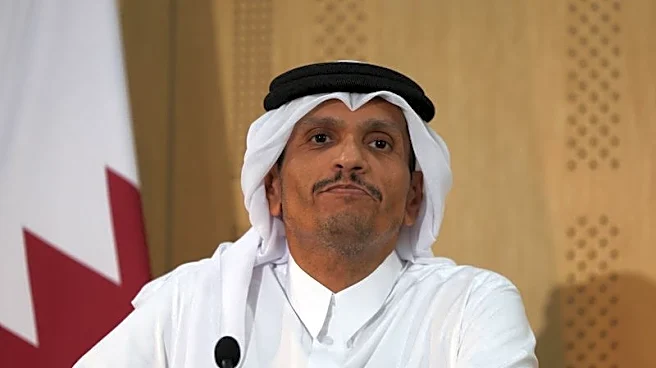
Qatar's prime minister visited Tehran in a bid to relaunch diplomatic talks to end the U.S.-Israeli war with Iran, on the eve of its six-month anniversary.
Iran's top security official Mohsen Rezaei warned on Thursday that Tehran would strike U.S. military and economic interests if the U.S. started "mischief" against Iran during its meeting with Qatari officials.
Washington and Tehran also traded recriminations over Washington's promise to increase economic pressure on Iran.
On Monday, the U.S. announced the "toughest sanctions in history" on Iran, taking economic measures that Treasury Secretary Scott Bessent suggested would lessen the need for new major military operations.
Ebrahim Azizi, head of the Iranian parliament's national security committee, said the sanctions were an "inhumane and hostile act" which nonetheless had lost their effectiveness.
(Reporting by Siddharth Cavale and Laila Kearney in New York, Robert Harvey in London, Emily Chow in Singapore and Anushree Mukherjee in Bengaluru. Editing by Thomas Derpinghaus, Conor Humphries, Mark Potter, Louise Heavens and David Gregorio)