




MILAN, April 21 (Reuters) - Franco-Italian eyewear group EssilorLuxottica is facing growing pressure from investors to show how it can scale up its ambitions for smart glasses without sacrificing margins.
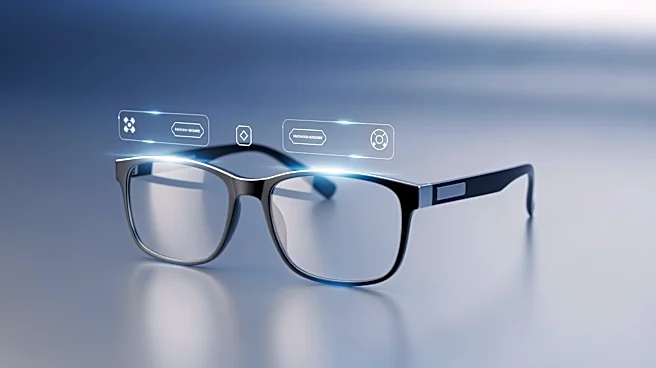
The eyewear maker has benefited from being a first mover in AI-powered glasses, and in recent quarters sales of its Ray-Ban smart glasses, developed in partnership with Meta, supported EssilorLuxottica's growth.
But the group's shares have fallen over 30% from a record high last November amid concerns
over EssilorLuxottica's profitability and the prospect of new competitors in the smart glasses sector, three investors said.
The Ray-Ban Meta smart glasses are less profitable than the group’s core eyewear products and are reportedly the subject of talks with Meta to define strategies and prices, the investors said. EssilorLuxottica has said recently that its partnership with Meta is stronger than ever.
The eyewear maker, which will report first-quarter revenue on Wednesday, has seen its market capitalisation fall to 100 billion euros ($117.62 billion), as of Friday's market close, from 149 billion euros last November.
"There are two reasons (for the shares drop). First, the entry of U.S. competitors into the smart glasses space," said Fabio Caldato, portfolio manager at AcomeA SGR. "Second, there has been a re-rating of multiples. The premium versus competitors remains and is justified, but it may have been excessive in the past."
Google is expected to launch its smart glasses this year and Apple is working on producing its own products soon.
REVENUE GROWTH
EssilorLuxottica's operating profit rose to 4.46 billion euros last year from 4.41 billion euros in 2024, but its adjusted operating margin stood at 16%, lagging the group's target of 19-20% at the end of the 2022-2026 period.
The group's AI-powered glasses, launched in 2021, currently account for only a fraction of group revenue but in the third quarter of last year they contributed over four percentage points to group revenue growth of 11.7%.
Caldato said that once smart glasses reach scale, margins will improve, adding that EssilorLuxottica can also rely on the strength of its global distribution network, with thousands of stores worldwide.
Beyond smart glasses, EssilorLuxottica is also pushing into the medical technology sector with products such as Nuance Audio glasses, which are eyewear with built-in hearing aids, and has made a few small acquisitions in the past few years of companies that develop vision diagnostic instruments.
"Moving toward more technology‑intensive products helps the company stay competitive and protect itself from future Chinese competition in eyewear and lenses," Caldato said.
A Visible Alpha consensus forecasts EssilorLuxottica will on Wednesday report first-quarter revenue of 7.132 billion euros, up 4% from a year earlier.
In February, the eyewear group said that over the next five years it expected, on average, "solid growth of total revenue and a broadly aligned growth of the adjusted operating profit", at constant exchange rates.
"Basically, they said they expect margins to remain stable. That suggests that even if volumes of smart glasses rise and the products are currently profit dilutive, this is being offset by other, more accretive parts of the business," said Bassel Choughari, a portfolio manager at Comgest.
Choughari said smart glasses could support related sales of more profitable products, such as photochromic lenses - which automatically darken when exposed to ultraviolet (UV) light - that EssilorLuxottica already sells.
"The guidance EssilorLuxottica gave (in February) was somewhat reassuring," Choughari said.
($1 = 0.8502 euros)
(Reporting by Elisa Anzolin; Editing by Susan Fenton)