

By Howard Schneider and Ann Saphir
March 3 (Reuters) - Federal Reserve officials on Tuesday began taking stock of a widening conflict in the Middle East that could pose near-term risks to both U.S. inflation and growth despite the economy's relative resilience to energy price shocks.
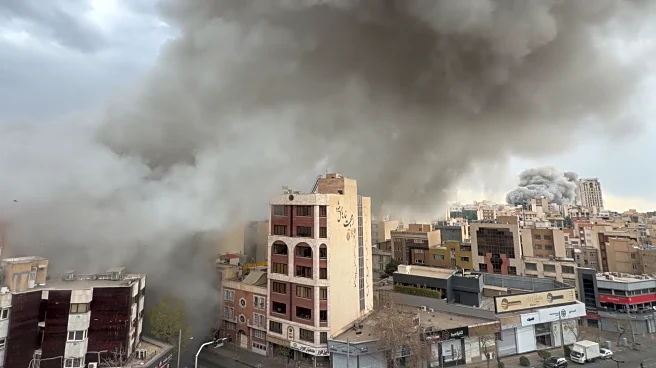
A potentially open-ended conflict between the U.S. and Iran, which has spread across borders in attacks by Tehran and its proxies in the Middle East, could spill back onto the U.S. economy through falling asset prices,
a trade shock to U.S. allies, and higher inflation, at least in the near term, New York Fed President John Williams said on Tuesday.
The net impact on the U.S. economy and Fed policy, however, will take time to determine, with no easy way to map the current situation to other comparable events like the 2022 Russian invasion of Ukraine, which dealt a blow to both prices and growth in Europe but did not much change the trajectory of the U.S. economy or the central bank's monetary policy.
"Nobody can be sure how long this will last or the broader implications ... Past experience has shown that movements in oil prices that we've seen so far don't fundamentally shift the economy, but we'll wait and see," Williams told reporters after speaking to a conference hosted by America's Credit Unions in Washington.
"It's one of those developments that can hit both of our mandated goals in a kind of opposing way in the short term - raise inflation and maybe slow global growth. But the important question is qualitatively how big an effect does that have on the U.S. and how persistent those effects are in terms of price stability?"
"Transmission is really through some of these asset prices and financial market reactions, which so far have been reasonably muted," Williams told the reporters.
GLOBAL OIL PRICE SHOCK UNLIKELY
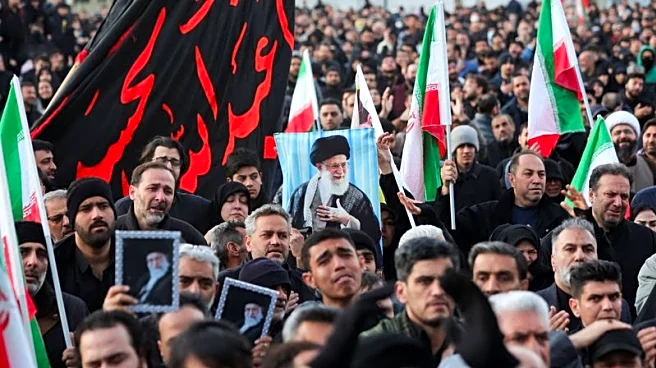
The initial reaction in financial markets to the war with Iran seemed to put a premium on inflation risks, with investors betting on slightly tighter U.S. monetary policy and slower interest rate cuts than anticipated before President Donald Trump, in consultation with Israel, launched massive strikes on Iranian targets. Trump promised to maintain the assault as long as needed to oust the Islamist regime, whose 1979 takeover led to a global oil price shock.
In that case it also helped stoke breakaway U.S. inflation.
Such an impact is unlikely this time, given U.S. energy sufficiency, but Williams pointed to the potential impact on U.S. trading partners, particularly in Europe, and investor assessments of risk and uncertainty as important channels through which the conflict could change the economic outlook and the Fed's monetary policy response.
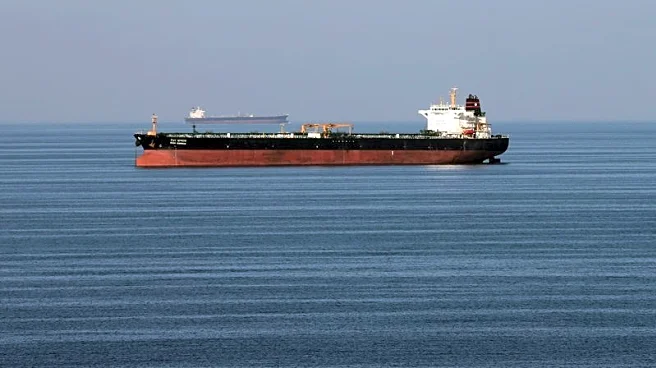
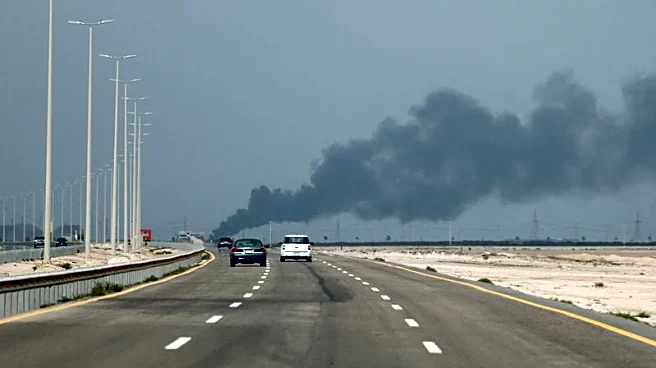
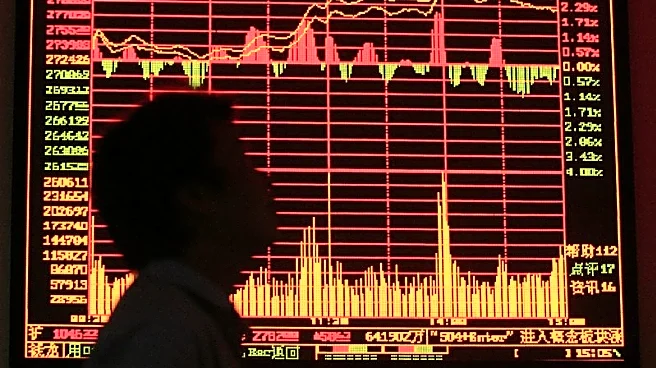
Fierce selling in Treasury and rates futures markets on Tuesday further dimmed expectations the Fed would resume its rate cuts before September, as rising oil prices heightened concern that inflation pressures would keep the U.S. central bank in a hawkish posture. U.S. oil prices have surged more than 13% since the weekend launch of attacks that killed Iran's Supreme Leader Ayatollah Ali Khamenei and sparked threatened counter-attacks that have closed the Strait of Hormuz, which handles about 20% of the world's crude oil flows.
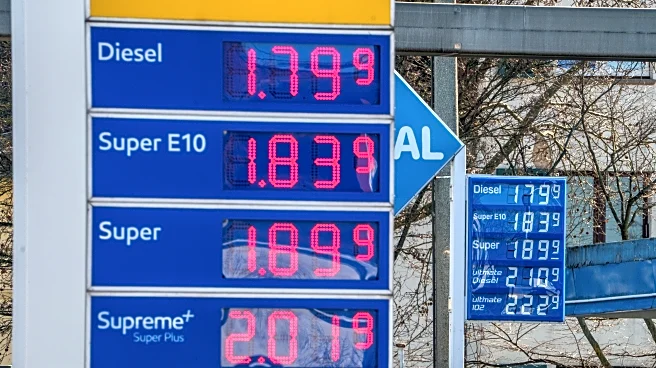
U.S. retail gasoline prices have jumped 10 cents a gallon in the last 24 hours, according to motorist advocacy group AAA, with prospects high for more increases in the near term.
The rate futures selloff knocked down to around 35% the prospects for a Fed rate cut in June when Kevin Warsh - Trump's nominee to succeed Fed Chair Jerome Powell - would lead a policy-setting meeting for the first time. Moreover, traders currently see only around a 55% chance of a rate cut by July, down from more than 70% in recent days.
The perceived chance of further easing beyond an initial cut has dropped as well.
(Reporting by Dan Burns and Ann Saphir; Editing by Chizu Nomiyama and Paul Simao)