


By Steve Gorman
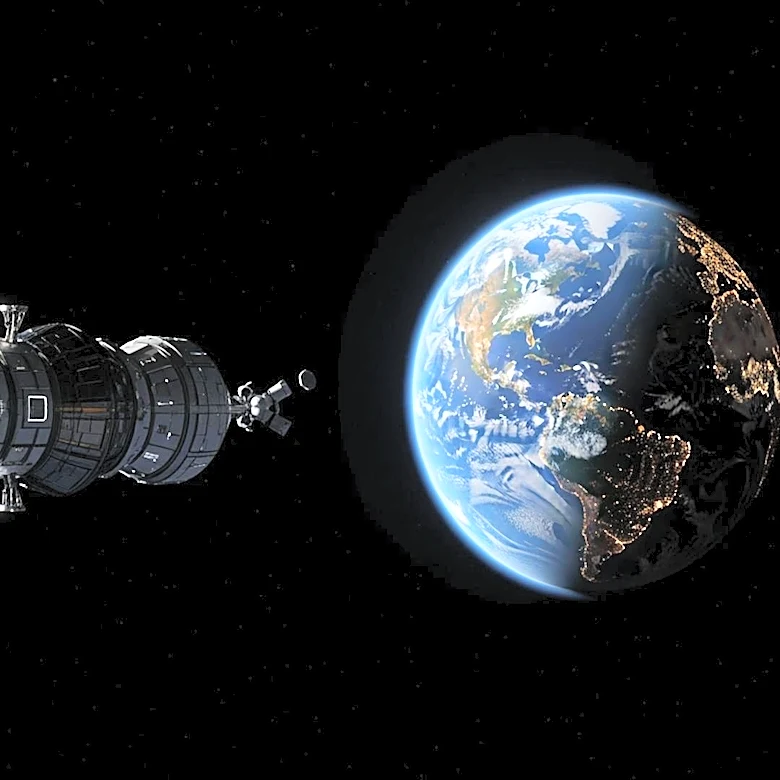
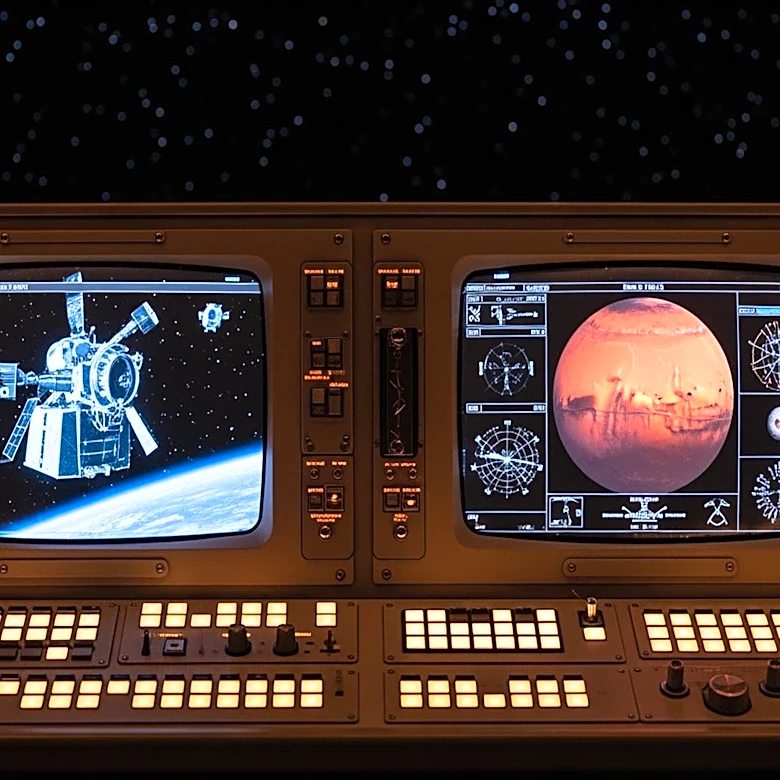
LOS ANGELES, May 14 (Reuters) - NASA's Psyche probe was headed for a close encounter with Mars on Friday and a planned gravity boost to set the spacecraft on its final course to the solar system's largest known metallic asteroid, thought to be the remnant core of an ancient protoplanet.
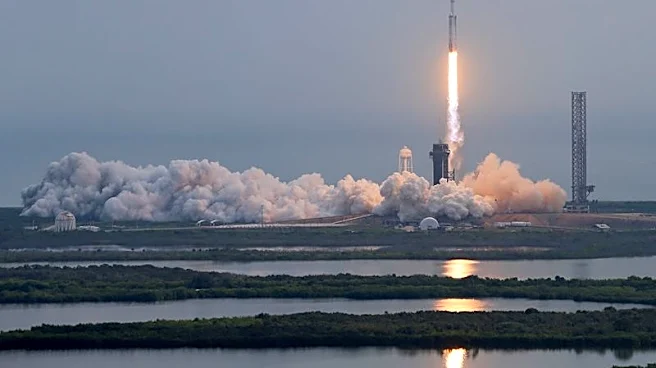
The Psyche probe, named for the asteroid it was designed to explore, was launched in October 2023 on a planned voyage of 2.2 billion miles and is expected to reach its destination on the outer fringes
of the main asteroid belt between Mars and Jupiter in about three years.
On Friday, the spacecraft is expected to pass within 2,800 miles (4,500 km) of Mars at 12,333 miles per hour (19,848 kph) as it harnesses the gravitational pull of the Red Planet to speed up and adjust the probe's trajectory en route to its asteroid target, according to NASA.
The Mars slingshot flyby was built into the Psyche flight plan as a way of conserving its supply of xenon gas propellant in the vehicle's solar-electric ion thruster system, being used for the first time on an interplanetary space mission.
But Psyche's operations team also planned to use the Martian encounter to practice with and to calibrate the probe's science instruments, including special cameras designed to capture images of objects in different wavelengths of light.
"We are now exactly on target for the flyby," Sarah Bairstow, the Psyche mission planning chief at NASA's Jet Propulsion Laboratory near Los Angeles, said in an online press statement ahead of the slingshot interval.
CELESTIAL MISSION DETAILS
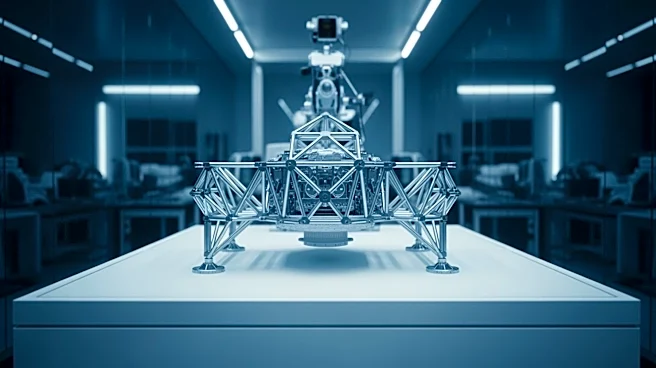
The Psyche probe, about the size of a small van, is expected to reach its destination in August of 2029 and orbit the asteroid for 26 months, scanning the celestial rock with instruments to measure its gravity, magnetic properties and composition. The spacecraft will then spiral ever closer to the asteroid before ending its mission in 2031.
The first asteroid of its kind chosen for study at close range by spacecraft, Psyche is believed to consist largely of iron, nickel, gold and other metals, with a collective hypothetical monetary value placed at 10 quadrillion dollars.
But the mission has nothing to do with space mining, according to scientists. Its objective is to gain greater understanding of the formation of Earth and other rocky planets that are built around cores of molten metal. Earth's molten center is too deep and too hot to ever be examined directly.
Discovered in 1852 and named for the goddess of the soul in Greek mythology, Psyche is the largest of about nine known asteroids that appear from ground-based radar observations to consist largely of metal, with rocky material mixed in. Still, scientists can only guess at what Psyche looks like, until the probe beams back the first images.
The leading hypothesis for the asteroid's origin is that Psyche is the once-molten, long-frozen inner hulk of a baby planet torn apart by collisions with other celestial bodies at the dawn of the solar system.
Measuring about 173 miles (279 km) across at its widest point, it orbits the sun about three times farther than Earth, even at its closest to our planet.
(Reporting by Steve Gorman in Los Angeles; Editing by Bill Berkrot)