
By Seher Dareen
Oct 13 (Reuters) - Oil prices fell more than 1.5% on Tuesday a day after benchmark Brent hit an almost one-month high as traders monitored attacks on Saudi Arabia and prospects for additional
diesel supply from Russia.
Brent crude futures were down $1.80, or 1.69%, to $104.85 a barrel by 1253 GMT, while US West Texas Intermediate crude futures were down $1.19, or 1.27%, at $92.55 a barrel.
Both benchmarks climbed nearly $2 a barrel in the previous session, with Brent settling at its highest since September 15.
US President Donald Trump said Russia had agreed to supply diesel to global markets, and his administration temporarily lifted US sanctions on Russian fuel designed to deprive Moscow of revenue for its war on Ukraine.
Additional supplies could help alleviate tightness in global fuel markets, tempering some of the supply concerns that have supported crude prices recently.
"Russia's promise to supply 3-3.5 million tons per month by the end of the year is unlikely to be accomplished, given the dire state of the country's refining sector," said PVM Oil Associate Analyst Tamas Varga.
Lawmakers from both parties in the US complained Trump's agreement with Putin appears to violate US law barring imports of Russian energy until Moscow ends its aggression against Ukraine.
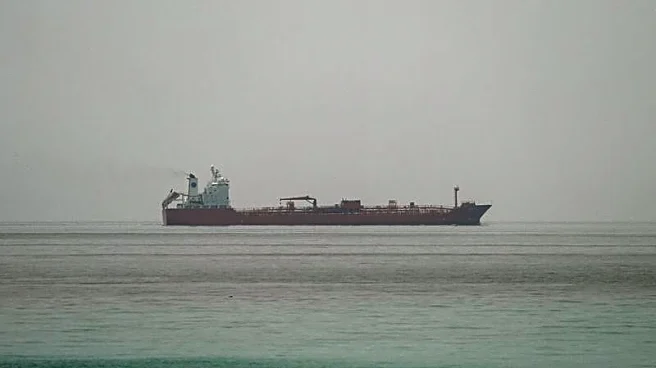
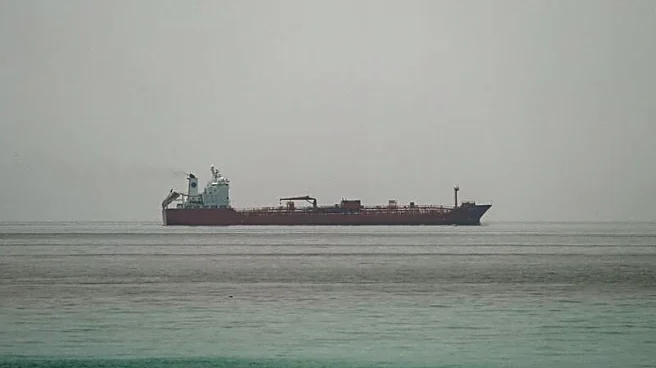
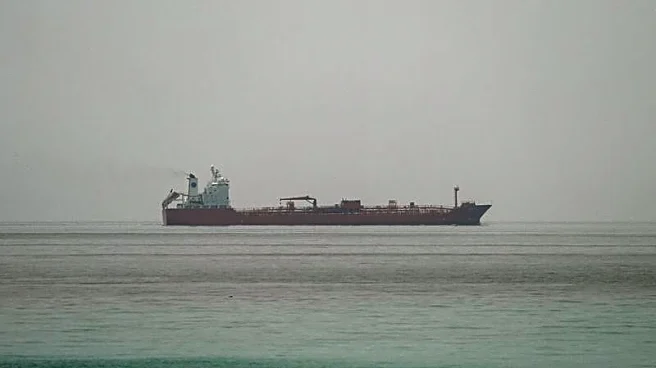
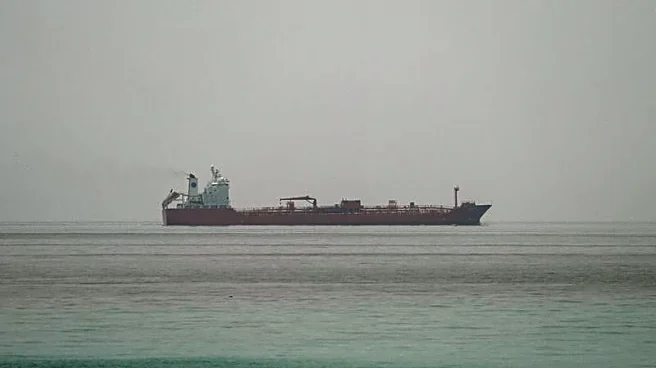
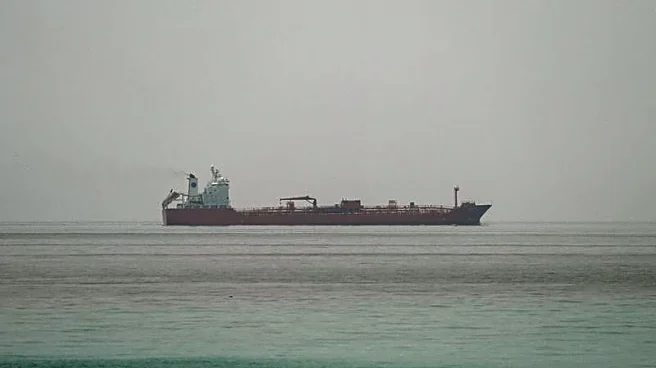
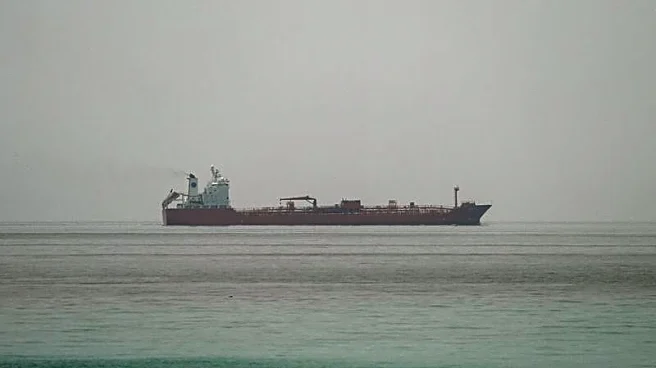
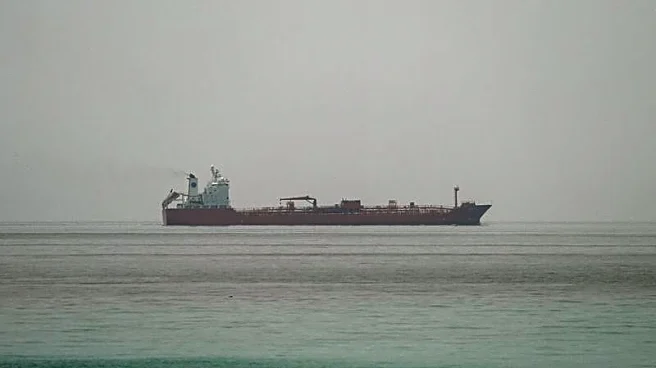
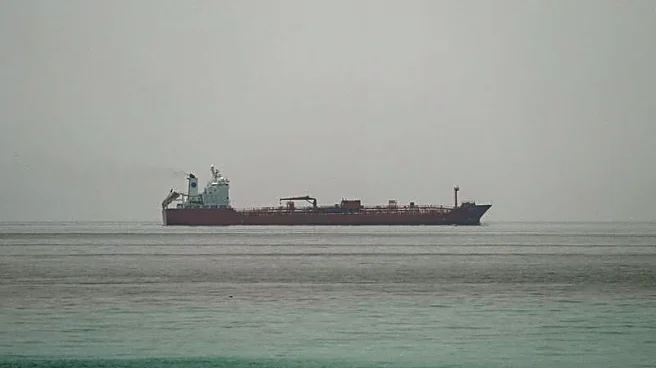
Concerns over the vulnerability of Gulf energy infrastructure and shipping lanes remained in focus after Iran-aligned Houthis struck Riyadh's international airport over the weekend, while tanker attacks were reported near the Strait of Hormuz.
The lack of progress in de-escalation in Eastern Europe and the Middle East kept the risk premium elevated, PVM's Varga said, adding that the rise in attacks on commercial tankers and Houthi-Saudi tensions were ensuring exports from the region would not approach the highs seen in September.
OPEC on Tuesday raised its forecast for world oil demand growth in 2027, citing the need for the world to rebuild inventories that have been depleted by the Iran war.
Ministers of OPEC and non-OPEC Participating Countries in the Declaration of Cooperation said shipping and insurance costs have surged to unprecedented levels of over one-third of the commodity value, impeding efficient movement of crude oil and products.
"Another critical question is whether, following the US midterm elections in early November, there will be a renewed escalation between the US and Iran, or whether an agreement can be reached. According to statements by US President Trump, both outcomes are possible," Commerzbank analyst Carsten Fritsch wrote in a note.
(Reporting by Enes Tunagur in London, Anjana Anil in Bengaluru and Trixie Yap in Singapore; Editing by Sonali Paul, Jacqueline Wong and Louise Heavens)