







By Sanskriti Shekhar and Danielle Kaye
Nov 18 (Reuters) - TJX raised its full-year outlook on Wednesday, banking on strong demand for discounted apparel and home goods during the holiday shopping season, sending its shares up 10% in morning trading.
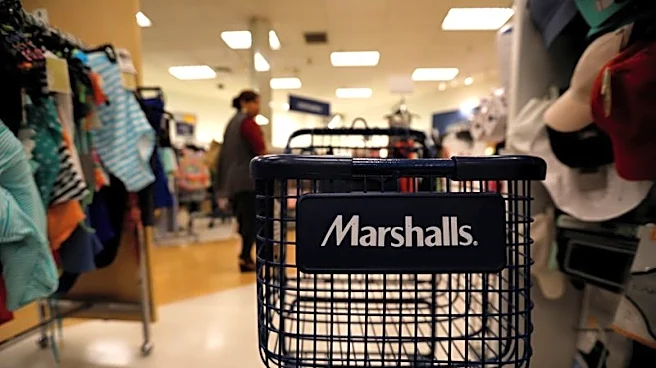
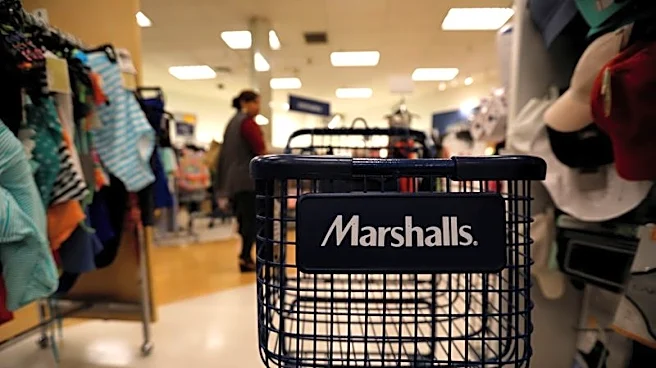
The company, which owns chains such as TJ Maxx, Marshalls and HomeGoods, also beat third-quarter sales estimates.
US consumers have gravitated toward off-price chains as sticky inflation and higher fuel prices pressure household budgets, benefiting retailers
that offer branded merchandise at discounted prices.
"Looking ahead to the fourth quarter, while we believe the unseasonably warm weather in the US and Canada has been holding back consumer demand in some categories, we are expecting sales momentum to accelerate throughout the holiday season," CEO Ernie Herrman said in a statement.
The company expects comparable store sales to rise 4% in fiscal 2027, compared with its prior view of 3% to 4% growth. It also projected full-year adjusted earnings of $5.17 to $5.20 per share, compared with its earlier forecast of $5.15 to $5.20.
TJX has been accelerating its marketing to attract more customers and has capitalized on seasonal fashion demand.
"The holiday season will be an important test of whether the two chains (TJ Maxx and Marshalls) can build on that progress," Emarketer analyst Arielle Feger said.
"Shoppers have plenty of options for finding discounts, so price alone won't be enough to keep them coming back."
TJX said sales trends are improving at its core apparel-focused Marmaxx division, which includes TJ Maxx and Marshalls, after "self-inflicted" missteps previously pressured Marmaxx sales. TJX expects further improvement in the fourth quarter.
However, 2% comparable sales growth at Marmaxx still trails TJX's other divisions, Feger noted.
The company posted quarterly revenue of $15.95 billion, above analysts' average estimate of $15.84 billion, according to data compiled by LSEG. Quarterly adjusted profit came in at $1.34 per share, in line with expectations.
"With even higher-income households becoming more deliberate about where they spend, the appeal of off-price retail could extend well beyond consumers traditionally associated with shopping for value," said Consumer Edge analyst Michael Gunther.
(Reporting by Sanskriti Shekhar in Bengaluru and Danielle Kaye in Beaverton; Editing by Shreya Biswas and Diti Pujara)