







(Refiles to fix formatting in second paragraph)
By Doyinsola Oladipo and David Shepardson
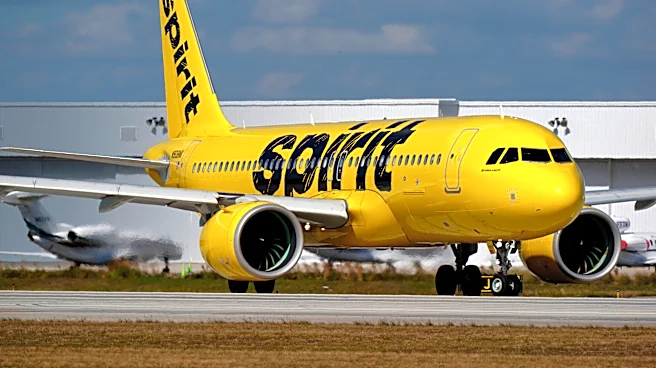
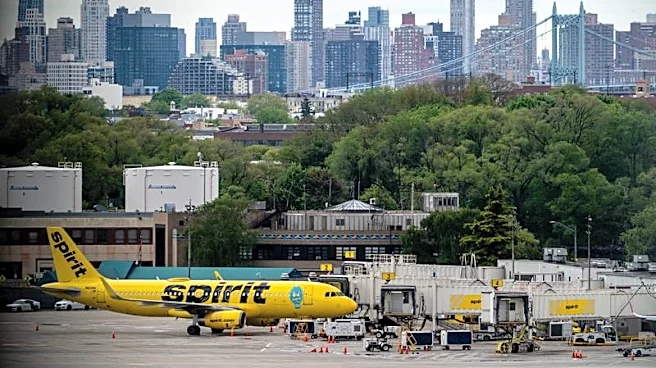
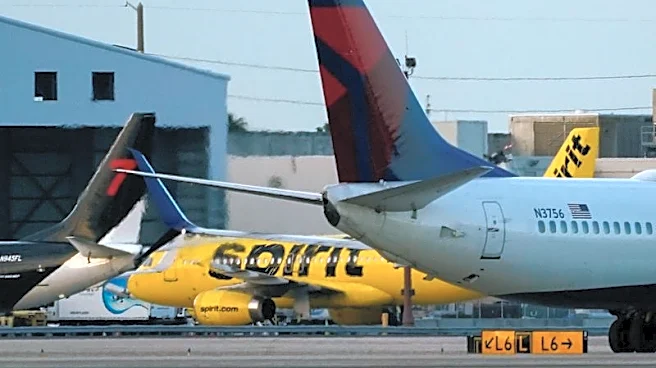
WHITE PLAINS, New York, May 5 (Reuters) - A lawyer for defunct Spirit Airlines said on Tuesday that sharply higher jet fuel prices left "no remaining way out" of bankruptcy and forced the budget carrier's shutdown, as it seeks approval for an expedited plan to sell off assets and pay retention bonuses to remaining employees.
Marshall Huebner, a lawyer for the airline, said at a U.S. Bankruptcy Court hearing that
the airline learned on Thursday afternoon that the government financing initiative would not be proceeding and apologized to customers and the American public on behalf of the carrier. The Trump administration had proposed a $500 million bailout last month to help Spirit exit bankruptcy but faced objections from some creditors.
Huebner said that after the airline learned on Thursday that the government financing initiative would not be happening, the airline transported 50,000 passengers on Friday as it sought to wind down operations before it made the news public.
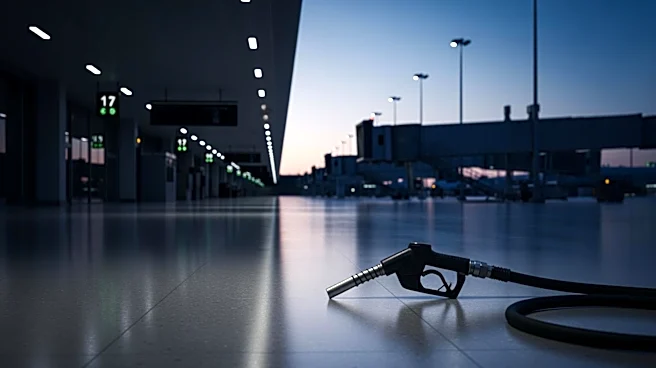
Global carriers are contending with surging jet fuel prices since the U.S.-Israeli strikes on Iran disrupted traffic through the Strait of Hormuz, in the air travel industry's worst crisis since the COVID-19 pandemic. Spirit was already struggling to turn a profit before the fuel shock and has faced $100 million in incremental fuel costs since March 1.
He noted that the airline faced many hundreds of millions of dollars in high fuel costs for the rest of the year.
Spirit is seeking court approval to pay $10.7 million in retention bonuses to employees who remain as the company ends operations - averaging $76,000 per participant - and will pay more to the top three executives but has not yet disclosed how much.
The U.S. Trustee, the Justice Department's bankruptcy watchdog, has raised concerns about the bonuses.
Spirit says it does not have money to conduct an organized auction of its aircraft, engines and other equipment, and is asking the court for permission for fast sales or to abandon and
let the lenders repossess.
(Reporting by Doyinsola Oladipo and David Shepardson; Editing by Mark Porter)