







A look at the day ahead in European and global markets from Ankur Banerjee
Markets were nervous after the latest escalation in Middle East tensions but investors hope the new U.S. attacks on Iran after an Apache helicopter was downed near the Strait of Hormuz will not derail an eventual peace deal to end the war.
That might just be wishful thinking though, with the U.S. military saying it had targeted Iranian air defence, ground control stations and surveillance radar sites near the key waterway in response
to attacks on U.S. forces and commercial shipping.
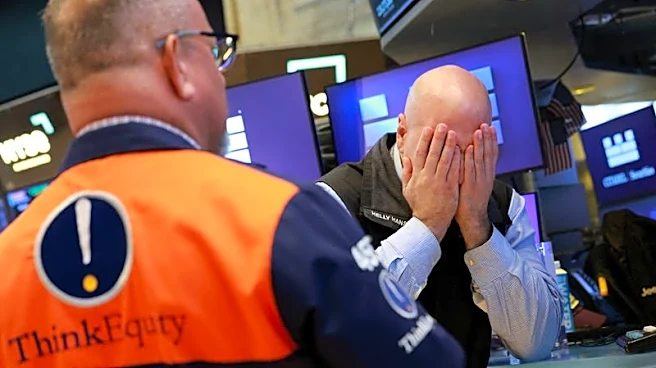
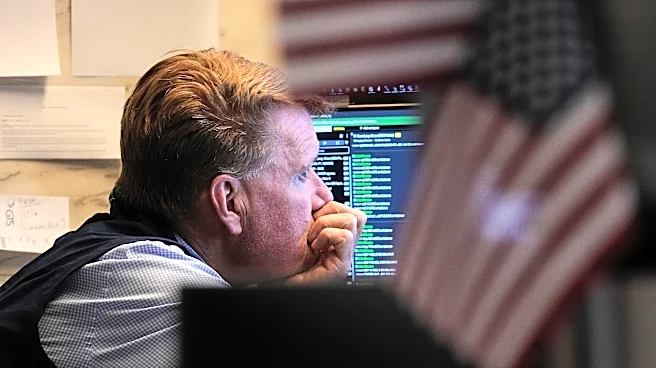
The tit-for-tat attacks sent stocks lower while oil prices surged though Brent futures remained well below the $100 per barrel level, leading market analysts to suggest the episode could soon blow over.
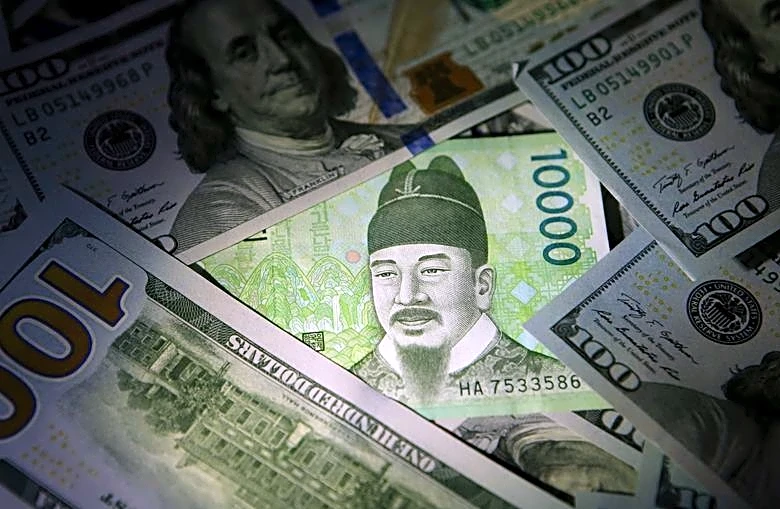
Still, the ceasefire struck in April is hanging by a thread and progress on a resolution to end the three-month conflict has been slow, keeping sentiment in check and the U.S. dollar supported.
The risk-off sentiment meant the global AI selloff was back on again as investors rotated out of technology stocks that have surged this year. South Korea's KOSPI fell 4% in what is proving a volatile week for the world's best-performing market.
The spotlight will be on U.S. inflation data later on Wednesday to gauge the impact of the war, with a Reuters survey of economists predicting U.S. consumer inflation probably increased at its fastest pace in three years in May.
The report may bolster expectations of rate hikes from the Federal Reserve, especially after last week's stronger-than-expected jobs report. Traders are pricing in a 25-basis-point hike in December compared to two rate cuts expected in 2026 before the war.
Key developments that could influence markets on Wednesday:
US May CPI
UK May housing survey
(By Ankur Banerjee in Singapore; Editing by Kate Mayberry)