



By Olesya Astakhova, Ahmad Ghaddar and Alex Lawler
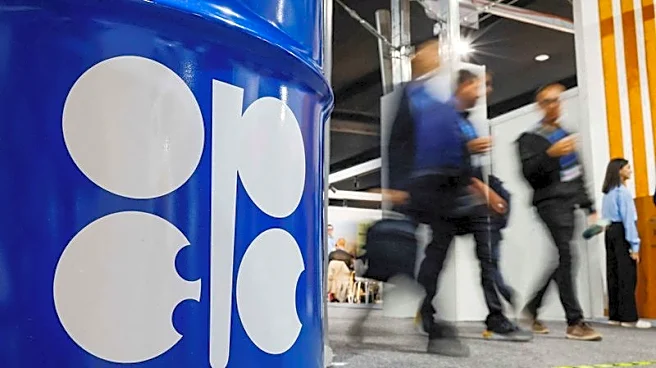
LONDON, Aug 2 (Reuters) - OPEC+ approved an oil production quota increase on Sunday of around 188,000 barrels per day from September, the producer group said, in a move that completes the unwinding of a layer of voluntary output cuts.
Due to export disruptions from the Gulf, Russia and Kazakhstan caused by the Iran and Ukraine wars, successive monthly OPEC+ hikes over most of this year have remained largely on paper with little impact on the market.
The September increase agreed by core OPEC+ members — Saudi Arabia, Russia, Iraq, Kuwait, Algeria, Kazakhstan and Oman — finishes the phased rollback of a 1.65 million bpd supply cut originally agreed in 2023, when the group still included the United Arab Emirates, which left OPEC in May.
Although OPEC+ sources said before the meeting the group will likely pause output increases for the fourth quarter, its statement made no reference to what might be agreed for the last three months of 2026.
A pause is still a feasible option, said Jorge Leon, an analyst at Rystad.
"OPEC+ has finished unwinding its voluntary cuts. The next challenge is managing the surplus that could emerge as export flows normalise," he said.
"Having completed the restoration campaign, OPEC+ has little incentive to rush into further supply changes. Our base case is a fourth-quarter pause while the group prepares for the 2027 quota negotiations."
OPEC REVIEWING CAPACITY BEFORE SETTING 2027 QUOTAS
With September's output hike now agreed, OPEC+ still has in place one more layer of output cuts which apply to most of the group's members. Those roughly 2 million bpd in cuts date back to 2022 and are due to remain in place until the end of this year.
OPEC+ is carrying out a review of its members' oil production capacity that will be used for the 2027 output baselines from which quotas are set.
It faces potentially difficult talks over new production quotas, with some members including Iraq, pushing for higher individual quotas to reflect their higher capacity.
OPEC+ includes 21 members comprising the Organization of the Petroleum Exporting Countries along with Russia and other allies.
In recent years only the seven countries, and the UAE until its departure, have been involved in monthly production management.
(Reporting by Alex Lawler, Ahmad Ghaddar and Olesya Astakhova, Writing by Dmitry Zhdannikov; Editing by Joe Bavier)