
Jan 5 (Reuters) - U.S. oil companies' shares rose in premarket trading on Monday as investors bet that President Donald Trump's move against Venezuela's leadership would allow American firms greater access
to the world's largest oil reserves.
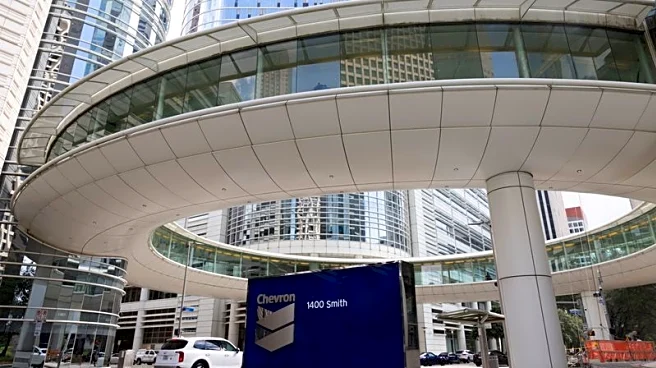
Shares of Chevron, the only U.S. major currently operating in Venezuela's oil fields, climbed 7.3%, while refiners Phillips 66, Marathon Petroleum, Valero Energy and PBF Energy were up between 5% and 16%.
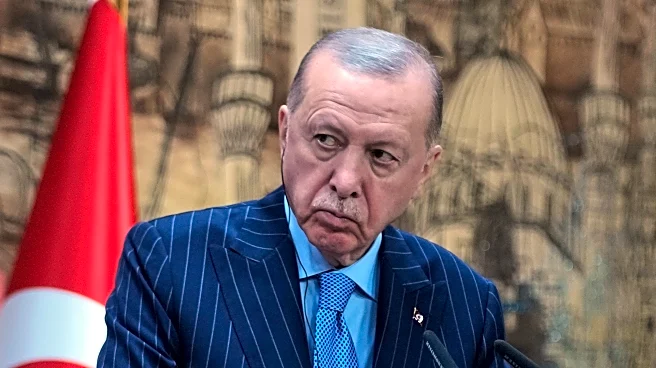
The gains came after Trump said the U.S. needed "total access" to Venezuela's vast oil reserves following the arrest of President Nicolas Maduro, sharpening expectations that Washington could ease restrictions on Venezuelan crude exports.
"We're going to have our very large U.S. oil companies, the biggest anywhere in the world, go in, spend billions of dollars, fix the badly broken infrastructure, oil infrastructure, and start making money for the country," Trump said on Saturday.
Venezuela was producing as much as 3.5 million barrels per day (bpd) in the 1970s, accounting for more than 7% of global output.
Production slid below 2 million bpd in the 2010s and averaged about 1.1 million bpd last year, or roughly 1% of global supply, after years of underinvestment and sanctions.
Venezuelan crude is a heavy sour with high sulfur content, making it suitable for producing diesel and heavier fuels, albeit at lower margins compared with other grades, particularly those from the Middle East.
"This type of crude aligns well with the configuration of U.S. Gulf Coast refineries which were historically designed to process such grades," said Ahmad Assiri, research strategist at Pepperstone.
Chevron's existing presence in Venezuela under a U.S. waiver has positioned it as a potential early beneficiary of any policy shift, while refiners stand to gain from increased availability of heavy crude closer to home.
Still, analysts cautioned that any meaningful recovery in Venezuelan oil production would likely take time, given political uncertainty, infrastructure decay and years of underinvestment.
(Reporting by Arunima Kumar in Bengaluru; Editing by Maju Samuel)