






By Kalea Hall and Nora Eckert
DETROIT, July 1 (Reuters) - Automakers on Wednesday are expected to report steady second-quarter U.S. vehicle sales, despite what normally would be a bleak backdrop for the car business.
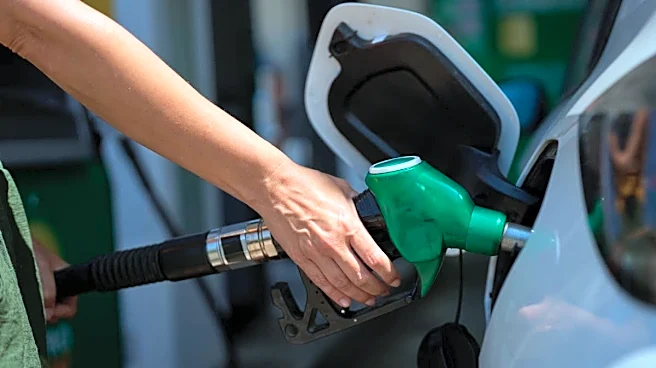
Since early spring, American consumers have confronted sharply higher gas prices, an uptick in inflation, unease over jobs, and jitters over the Iran war. And yet, U.S. vehicle sales are expected to be flat from a year earlier, at 4.16 million vehicles sold, according to research firm
Cox Automotive.
Dealers and analysts cite several factors helping to stabilize the U.S. car market. Affluent buyers, who are less sensitive to inflation and rising fuel prices, account for a growing share of vehicle sales.
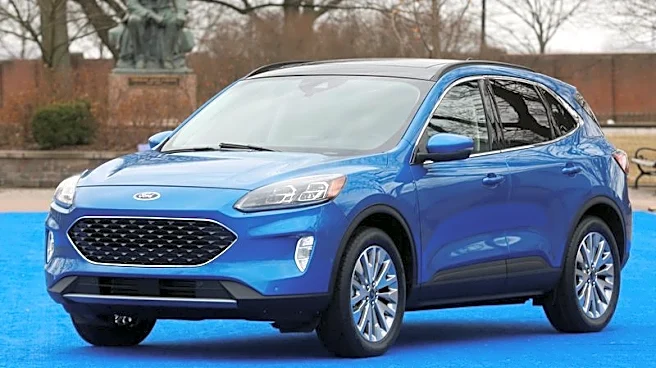
Meanwhile, borrowing costs in recent months receded slightly, helping shoppers offset those added cost pressures, according to research firm JD Power. More car shoppers also are gravitating to hybrid models to avoid high gasoline prices, helping to buoy overall sales volumes.
“The new-vehicle market has been essentially shrugging off the Iran war and this huge run-up that we've had in oil prices and fuel prices,” said Charlie Chesbrough, senior economist at Cox Automotive.
K-SHAPED ECONOMY PROPELS CAR SALES
The highly cyclical car market historically has contracted during wars and energy shocks. Car sales fell in the months following the U.S. invasion of Iraq in 2003, for example, and in 2008, when gas prices surged above $4 per gallon for the first time.
Today, affluent buyers continue to prop up the U.S. car market, dealers and analysts say, an example of the K-shaped economy, where higher-income consumers continue to spend on big-ticket items while lower-income people struggle.
Last year, buyers with household incomes of $100,000 or less accounted for 36% of new vehicle sales, down from 51% as recently as 2020, according to S&P Global Mobility.
In June, the average transaction price for a vehicle in the U.S. ticked higher by 1% from a year earlier, to about $46,400, according to JD Power, although that is down from the peak.
Consumers, however, have gotten some relief from a dip in interest rates on new-vehicle loans. In June, the average rate fell by about one-third of a percentage point, to 6.66%, the lowest in four years, JD Power said.
Americans also continue to stretch their loan terms to lower monthly car payments. In the first quarter, 20% of consumers chose 84-month loans, according to Edmunds.
Those stretched loan terms have helped more people to afford new cars. Monthly vehicle payments as a percentage of disposable income have continued to decline, hitting 13.3% in the first quarter, according to a new report from AlixPartners.
HYBRIDS HELP BUYERS SIDESTEP GAS-PRICE SPIKE
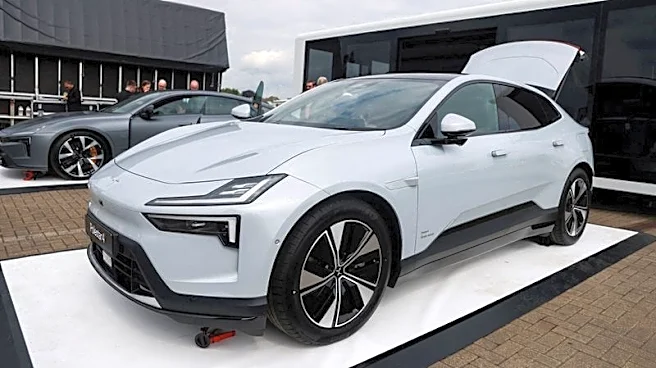
Elevated prices at the pump have not yet sparked a U.S. electric-vehicle revolution, but they have nudged some shoppers to search for fuel-sipping hybrid options, according to Cox Automotive data.
The research firm found that 56% of shoppers say rising gas prices make them more likely to consider a hybrid. Through May, U.S. hybrid sales rose 17%, according to research firm Motor Intelligence.
"Every hot product I have is a hybrid or an electric,” said Jim Walen, a Seattle dealer with Hyundai and Stellantis stores.
That shift to hybrids has benefited Toyota Motor's sales, the industry’s top seller of hybrid vehicles. Cox analysts say the trend could vault Toyota past General Motors for the U.S. sales crown this year. Toyota last surpassed GM in 2021, marking the first time in almost a century that GM was not the nation's top seller.
(Reporting by Kalea Hall and Nora Eckert in Detroit; Editing by Mike Colias and Matthew Lewis)