
(The author is a Reuters Breakingviews columnist. The opinions expressed are her own.)
By Yawen Chen
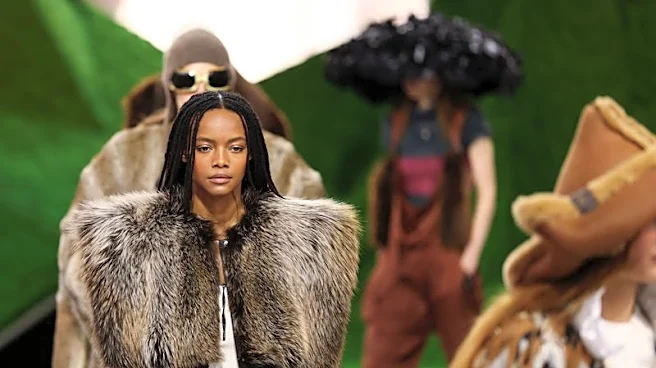
LONDON, April 16 (Reuters Breakingviews) - In fashion, a weak collection is easy to spot: bold styles
on the runway, but not enough substance when you look closely. Kering’s latest strategy risks falling into that trap.
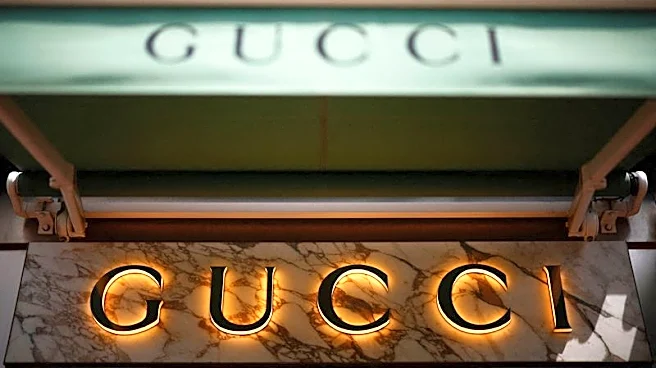
At its capital markets day on Thursday, the $40 billion Gucci owner pledged to more than double its operating margin from the 11% recorded in 2025. That sounds punchy until you check the label. The target barely exceeds analyst consensus forecasts of 20% by 2030, per Visible Alpha, and remains well below the roughly 30% peak achieved in 2019. Plus, CEO Luca de Meo set no specific timeline. Investors are effectively being asked to applaud a longer climb back to less than its former glory.
The lack of detail where it matters most reinforces the sense of an outfit missing key pieces. Its main brand Gucci, which generates about 60% of the group's operating profit, has no explicit margin target. That omission leaves a gaping hole in the investment case, especially given the frequency of the brand’s stumbles. Gucci's first-quarter sales fell 8%, worse than analysts’ expectations, while revenue in its key Asian market dropped 14%, suggesting that execution missteps - including over-distribution in China - are compounding macro weakness.
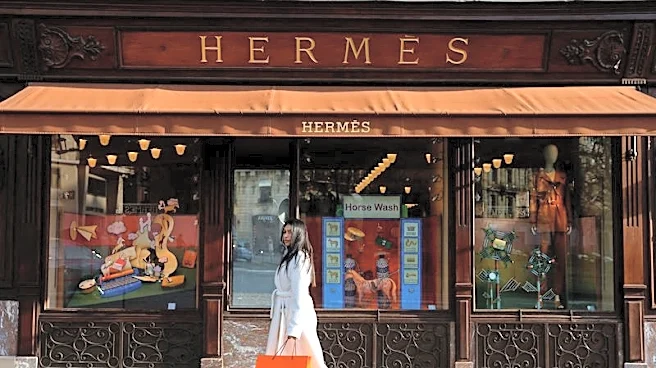
De Meo’s “ReconKering” plan hinges on a multi-year “reset, rebuild, reclaim” strategy stretching to 2030. Yet the near-term hurdles look formidable. To grow revenue in 2026, Gucci would need a sharp acceleration over the next few months - something analysts already view as ambitious. The wider luxury downturn offers little comfort: even titans like Hermès are losing lustre.
De Meo, who stepped in last September from automaker Renault, is focusing heavily on an operational clean-up: closing hundreds of stores, reducing outlets by a third, and trimming inventory. He has also been more vocal about pricing. These are sensible steps but amount to little more than surface alterations.
Tapestry’s brand Coach offers a style worth emulating. In the quarter ending in December, its China sales surged 34% from a year earlier. The smaller U.S. rival’s unexpected success rests on a more fundamental shift: pairing genuinely refreshed designs with pricing that feels credible to aspirational consumers. When shoppers perceive limited quality differences between a roughly $500 Coach bag and a $2,000 European alternative, the value gap becomes glaring.
To be sure, Gucci faces a dilemma that Coach does not. As a European luxury house, Kering sells its goods at a higher price point and trades more on exclusivity. Moving downmarket through price cuts risks diluting the brand, which is a more existential threat to the business. Still, de Meo has room to maneuver. A weak luxury cycle, geopolitical disruption and his own recent arrival in the job provide helpful cover for bolder moves. Investors may be willing to tolerate short-term pain if it comes with a clearer, more decisive repositioning of Gucci. For now, though, Kering’s strategy looks only half dressed.
Follow Yawen Chen on Bluesky and LinkedIn.
CONTEXT NEWS
French luxury group Kering said on April 16 that it aims to more than double its operating profit margin in the medium term, as the group laid out a strategy to restore financial health and boost the appeal of flagship brand Gucci.
A statement from Kering said Gucci would improve its product quality and sharpen its regional sales strategy, without giving financial targets for the brand.
Shares in Paris-listed Kering were down 1.5% by 0815 GMT on April 16.
(Editing by Aimee Donnellan; Production by Shrabani Chakraborty)