






By Erwin Seba
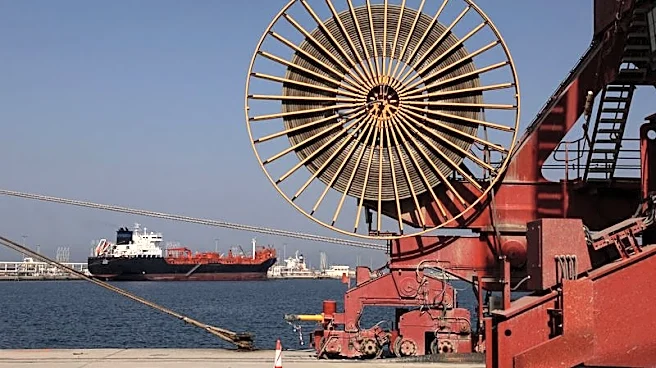
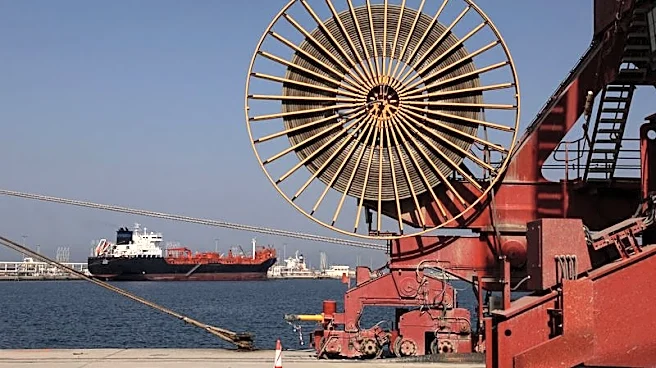
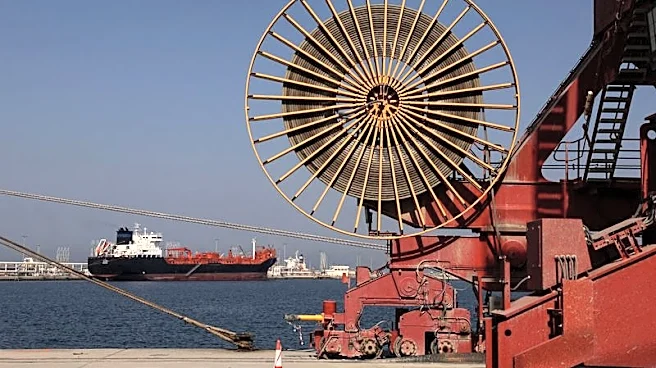
HOUSTON, Aug 28 (Reuters) - Oil prices settled lower on Friday, also down for the week as traders evaluated hints about the U.S. Federal Reserve Bank's inflation-fighting policy and rumors of a possible agreement on shipping through the Strait of Hormuz.
Brent crude futures settled at $89.31 a barrel, down 39 cents, or 0.43%. West Texas Intermediate crude futures finished at $83.40 a barrel, down 13 cents, or 0.16%.
For the week Brent settled down by more than 5% and WTI by more than 4%.
Following comments by new Fed Chairman Kevin Warsh pointing to a possible rate hike later this year to curb inflation, oil prices descended further, said Phil Flynn, senior analyst at the Price Futures Group.
"The (global) products markets are looking strong on further Ukraine strikes on Russian refineries," Flynn said. "But there is a lot of rumbling, rumors we might see a deal to reopen the Strait of Hormuz over the weekend."
The U.S.-Israeli war with Iran completed its sixth month on Friday.
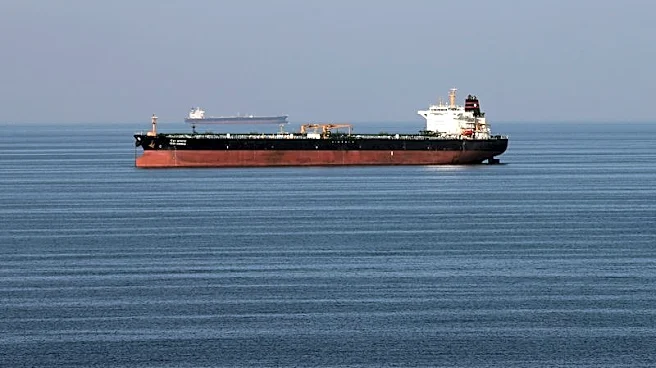
Traders were watching as flows of oil through the strait made a choppy recovery, through which 20% of global oil production flowed before the war started.
"The market has been surprised by the additional flow, Iran-Oman shipping corridor and the U.S. mine clearance claims," said Rystad analyst Janiv Shah.
"The weekly decline would likely be due to the available volume that is able to exit the Strait and the pace of ramp-up in flows. That would allow Asian refiners to pull and consume," he said.
This week, the U.S. announced what it called the "toughest sanctions in history" on Iran. Tehran said the sanctions were an "inhumane and hostile act" that had lost their effectiveness.
Mediators are stepping up efforts to get the Strait of Hormuz reopened. Tehran agreed to draw up a list of conditions to restore normal traffic after a Qatari emissary pressed the Iranians to respect freedom of navigation.
FLOWS THROUGH HORMUZ REMAIN CHOPPY
The tentative recovery of oil flows through the strait, through which 20% of the world's oil supply moved before the war, remained choppy.
On Thursday, seven commodity vessels transited, down from 17 a day earlier and below the 10-day average of 15, preliminary shipping data showed on Friday. The Bab el-Mandeb, another major maritime chokepoint, saw 17 commodity vessels pass through, with six entering and 11 exiting.
Goldman Sachs on Thursday estimated recent total Gulf exports at 15 million to 16 million barrels per day, 7 million to 8 million bpd below pre-war levels but 5 million to 6 million above the lowest point in March.
"The ramifications on who will be in or out of OPEC, how China's demand is affected, whether the refinery issues of the globe can now be solved are hitched firmly to this bumpy wagon of war," PVM Oil Futures analyst John Evans said.
TRUMP EYES VENEZUELA DEAL
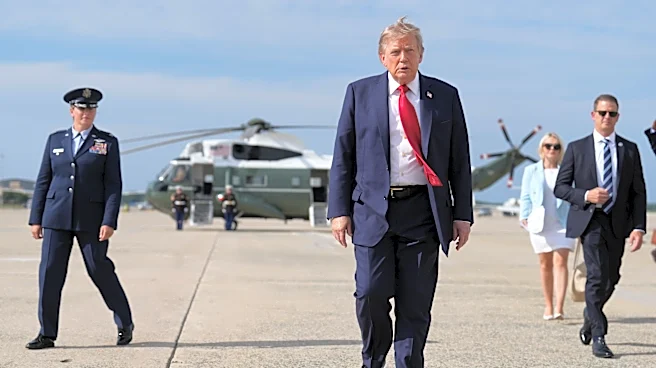
Officials in President Donald Trump's administration are working on a deal to secure long-term access to a portion of Venezuela's crude reserves, sources with knowledge of the negotiations said on Thursday. This move could ultimately lower the cost of oil imports.
Venezuela is also considering leaving the OPEC oil production group, Bloomberg reported.
Separately, geopolitical tensions escalated after Moscow warned it could strike British military targets inside and outside Ukraine in response to Kyiv's attacks on Russian territory using British-supplied long-range cruise missiles.
Trump, however, said Russian President Vladimir Putin will not attack a NATO country, and he downplayed media reports that CIA Director John Ratcliffe this week had warned Russian officials against such an attack. Britain is a founding member of NATO.
Ukraine's military struck a Russian oil refinery in the Yaroslavl region overnight, the Ukrainian General Staff said.
(Reporting by Erwin Seba, Seher Dareen, Sudarshan Varadhan and Colleen Howe; Editing by Conor Humphries, Jan Harvey and David Gregorio)