


By Daniel Wiessner
July 22 (Reuters) - A federal judge has ruled that New York City cannot prohibit Uber Technologies and Lyft from deactivating drivers from their apps without advance notice, ruling that the novel law is unconstitutional.
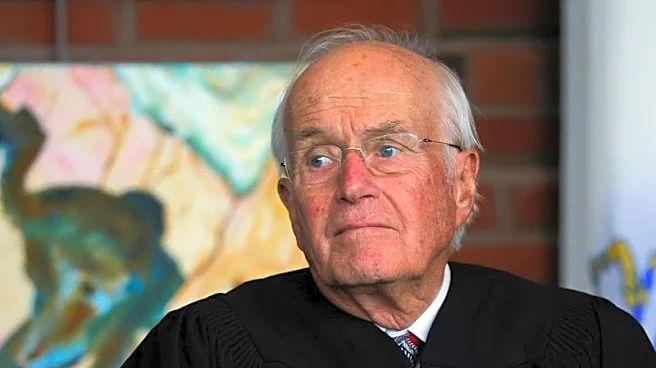
U.S. District Judge Gregory Woods in Manhattan said in a written ruling on Tuesday that the city's law adopted earlier this year benefits a small fraction of drivers while interfering with the ride-hailing companies' right to police the safety of their platforms.
"Uber and Lyft are likely to succeed in showing that the law protects a narrow class of drivers and does not advance the broader social or economic interest which the [U.S.] Constitution requires to permit the severe impairment of their contracts," Woods wrote.
The judge issued a preliminary injunction blocking the city from enforcing the law, which was set to take effect July 28, pending the outcome of consolidated lawsuits filed by the companies last month.
Lyft said in a statement provided by a spokesperson that "we're pleased the court recognized the serious safety concerns at the heart of this challenge."
Separately, Uber spokesman Josh Gold said: "The opinion underscores that driver fairness and rider safety can and must go hand in hand.”
The New York City Law Department did not immediately respond to requests for comment.
The law, one of the first of its kind in the U.S., was passed in January after the New York City Council overwhelmingly overrode a veto by former Mayor Eric Adams, a Democrat. Adams had said that the law would create an expensive and unwieldy new bureaucracy to handle wrongful deactivation claims.
The law requires that ride-hailing services give drivers 14 days' notice before deactivating them from apps, with an exception for "egregious misconduct," and potentially rehire drivers deactivated since 2019 solely because they did not receive such notice.
Uber and Lyft in lawsuits filed a day apart in June said that the law violated their due process and free speech rights under the U.S. Constitution. They said the law threatened to undermine their reputation and goodwill while keeping unsafe drivers, including those accused of sexual misconduct, on the road.
(Reporting by Daniel Wiessner in Albany, New York; Editing by Alexia Garamfalvi and Mark Porter)