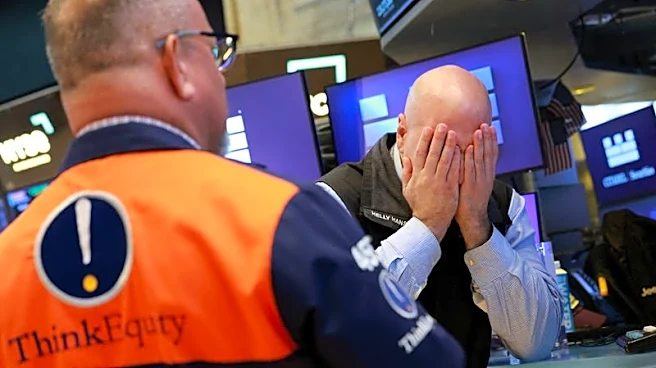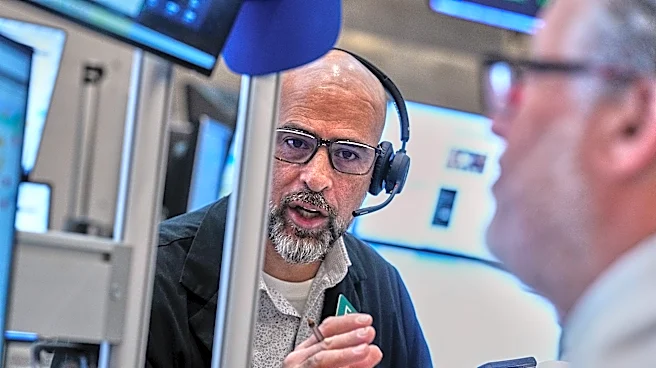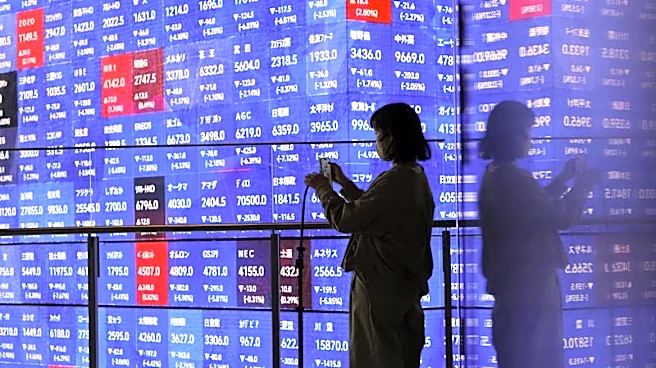






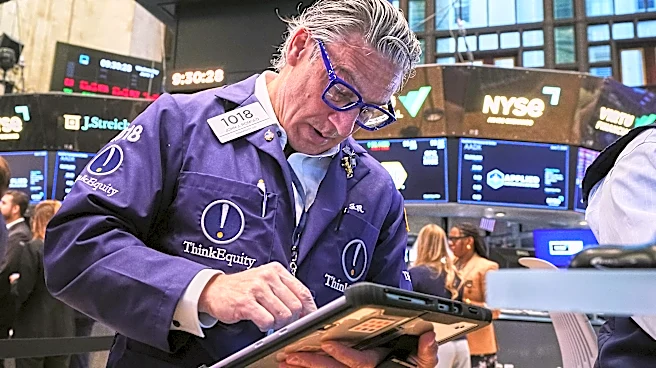
SINGAPORE, June 11 (Reuters) - Asian stocks fell on Thursday, weighed down by a Wall Street selloff after a hotter-than-expected U.S. inflation reading, while renewed U.S. strikes on Iran fuelled a rise in oil prices.
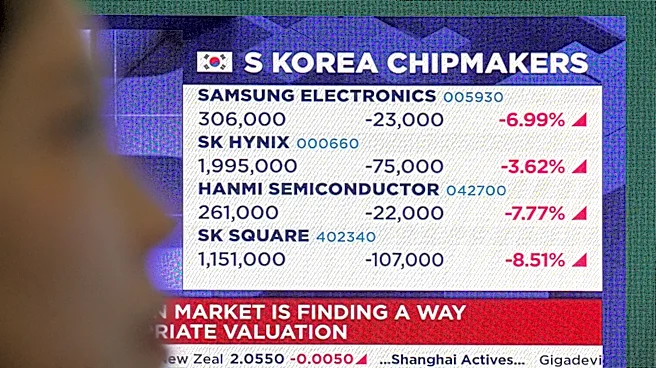
MSCI's broadest index of Asia-Pacific shares outside Japan was down 0.9%, led by a 3% drop in South Korea's KOSPI. S&P 500 e-mini futures were 0.3% lower.
The United States began a fresh round of strikes against multiple targets in Iran, the U.S. military said on Wednesday, hours after
President Donald Trump vowed new attacks if no peace deal is secured. Iran announced the closure of the Strait of Hormuz in response. Brent crude rose 2% to $94.93 a barrel as trading resumed in Asia.
Strategists believe that Asian stocks that had rallied hardest during the past two months are likely to extend recent losses, as markets question whether the sky-high expectations for earnings growth that had driven the gains can be maintained.
"Given already stretched valuations, these extreme bullish expectations set a vulnerable backdrop for momentum in Korea, Taiwan and the Asia tech sector," said Rupal Agarwal, Asia quant strategist at Bernstein in Singapore, in a note to clients.
Trimming positions in these stocks would be "most prudent," she added, noting that "the re-escalation on the war front could further accelerate this unwind."
On Wednesday, the S&P 500 was down 1.6% with the Nasdaq Composite 2.0% lower after data showed U.S. inflation accelerated last month at its fastest pace since April 2023, albeit in line with market expectations. Brent crude prices settled at $93.10 a barrel, up $1.65 or 1.8%, as U.S. President Donald Trump threatened to resume attacks on Iran.
The U.S. dollar index, which measures the greenback's strength against a basket of six currencies, held steady at 100.03, firmly within the tight trading range it has sat in throughout the past week. Safe-haven buying has driven the global reserve currency to its strongest levels since the U.S. and Iran began negotiating a ceasefire in early April.
Meanwhile, market expectations of the timing of the next rate hike moved closer, though they remain finely balanced. Fed funds futures are now pricing an implied 51.6% probability that the Federal Reserve's next hike will come at its two-day meeting on October 28, compared to a 50.1% chance a day earlier that the U.S. central bank would remain on hold until December, according to the CME Group's FedWatch tool.
The yield on the U.S. 10-year Treasury bond was up 2.6 basis points at 4.564%.
Bitcoin was down 0.5% at $61,445.19, while ether was 0.6% lower at $1,619.04, as the upcoming SpaceX IPO drove a rotation out of cryptocurrencies and other speculative assets.
Gold was off 0.3% at $4,059.59.
(Reporting by Gregor Stuart Hunter; Editing by Jacqueline Wong)