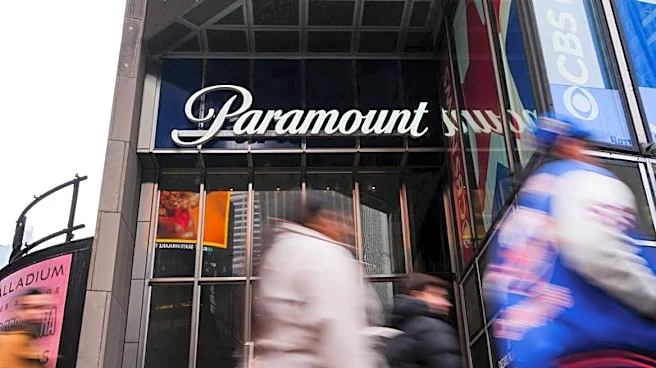









July 14 - U.S. states suing to block Paramount’s merger with Warner Bros Discovery argue that the deal could squeeze local movie theaters, which are still struggling to sell as many tickets as they did before the pandemic.
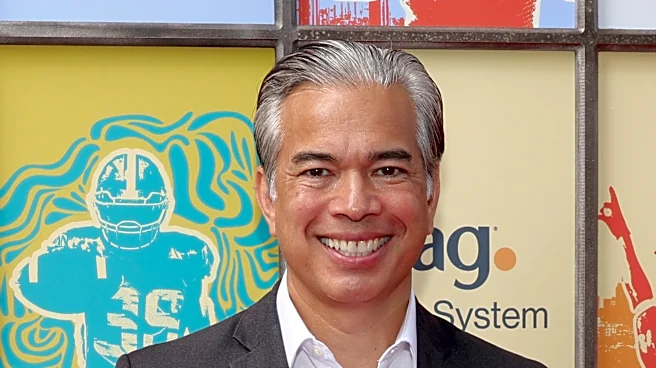
“While ticket prices will most likely go up, theaters will be forced to cut back on investments that make the experience better for audiences: comfier seats, expanded concessions, and premium screens,” California Attorney General Rob Bonta said at a news conference Monday, standing
in front of the Hollywood sign.
If completed, the merger would combine two of the nation’s five major film distributors, and further concentrate ownership of cable television networks. The new entity would have unfair bargaining leverage over theater-owners and pay-TV operators, according to the complaint.
With fewer film distributors, studios could find it easier to pressure theater owners for a greater share of ticket revenue, alleges the complaint, filed by California and 11 other states including Oregon, New York and Minnesota.
Basic cable TV providers would also lose leverage, the states said.
The deal would concentrate Paramount’s market power in both movie theaters and in basic cable to more than 27% each, according to the complaint.
“Your cable bill is going to go up because those cable companies that distribute the channels will have less negotiating power,” said Bonta.
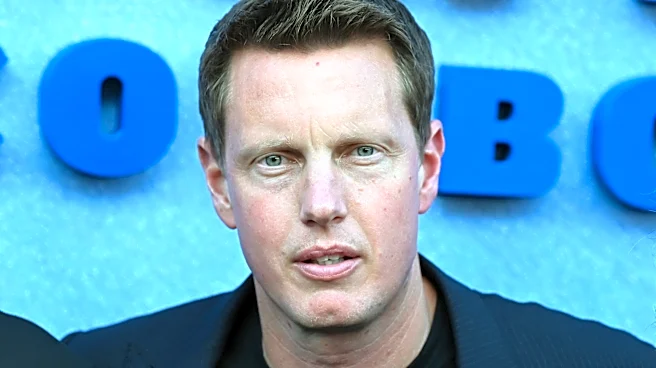
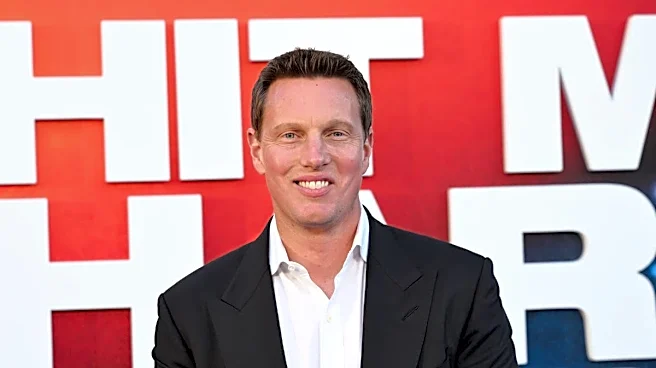
Paramount, led by CEO David Ellison, issued a statement saying the lawsuit distorts settled antitrust law and is based on a misrepresentation of competition in the entertainment industry.
“Delaying this transaction will only harm entertainment workers who have already suffered over recent years as technology has disrupted their livelihood and cost California tens of thousands of entertainment jobs,” Paramount said.
Delaying the deal will also be costly for Paramount. Ellison has agreed to pay Warner Bros. Discovery shareholders a 25-cent-per-share "ticking fee," amounting to about $650 million in cash each quarter, if the deal does not close before October.
Cinema United, a trade group for theater owners that has been lobbying against the deal, welcomed the lawsuit.
“The ramifications of further movie studio consolidation will be significant and lasting, not just in Hollywood, but on Main Streets across this nation where local movie theaters serve as cultural and financial cornerstones for communities of all sizes,” Cinema United President and CEO Michael O’Leary said in a statement.
One executive with an independent theater chain, who asked not to be named, worried that a combined Paramount and Warner Bros could raise the rental fee theater owners pay to show the blockbuster films that attract large audiences. Studios and theaters have traditionally split the proceeds from movie ticket sales evenly, though studios can command as much as 60% of proceeds for highly anticipated movies.
“Theaters will have no recourse,” said the source, who requested anonymity for fear of antagonizing Paramount.
As film distributors siphon off a greater percentage of box-office proceeds, theater owners may be forced to raise ticket prices, or to spend less on improvements, the complaint alleges. To better compete for viewers in the streaming era, theaters have been upgrading their facilities with improvements such as more comfortable seats and a wider variety of refreshments.
Year-to-date box office receipts in the U.S. and Canada stand at $5.1 billion in 2026, 10.6% higher than last year but 16.3% below the pre-pandemic year of 2019, according to Rentrak data.
Echoing cinema operators, Bonta said the industry was hurt by a previous media merger: the 2019 Walt Disney acquisition of entertainment assets owned by Fox.
From 2015 to 2018, Disney and Fox distributed 112 wide-release films. That number dropped to 54 for 2022 to 2025, the lawsuit said.
The merger also would harm cable TV providers who bring the companies' networks into American living rooms, the complaint alleged, since Warner and Paramount will no longer compete to market their networks.
A deal would combine a range of popular networks, including CNN, TNT, Food Network and HBO, enhancing the company's “bargaining leverage over distributors.”
TV providers would have “little choice” but to accept the company's deal terms, according to the suit.
The complaint does not take issue with Paramount’s plans to combine its Paramount+ streaming service with Warner Bros’ HBO Max.
(Reporting by Dawn Chmielewski and Lisa Richwine; Editing by David Gregorio)