



By Florence Tan and Siyi Liu
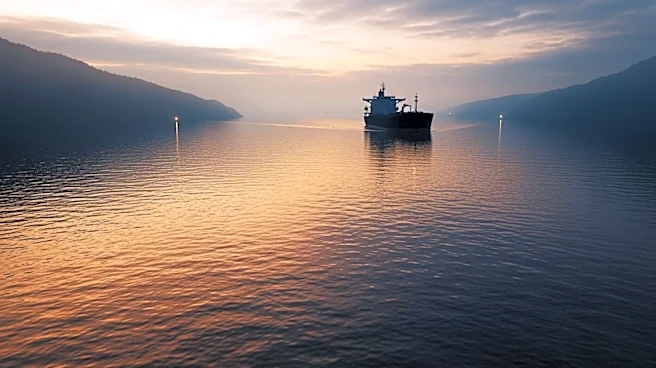
SINGAPORE, April 22 (Reuters) - Safe and sustainable passage through the Strait of Hormuz is what top shipping companies require before the world's sees much oil or cargo leave or enter the Gulf, two top sector executives said on Wednesday.
"Two weeks ago when the ceasefire, said to be temporary, came into picture, we thought there was hope. But in reality, the agreement was not translated into the safety and passage (of the vessels)," Jotaro Tamura, chief executive of Japan's
Mitsui O.S.K. Lines, told Reuters in an interview on the sidelines of the Singapore Maritime Week conference.
MOL is one the world's largest shipping companies and the top owner of oil and liquefied natural gas tankers.
Questions about safety would remain even if the strait reopens, Tamura added.
Iran's Islamic Revolutionary Guard Corps has warned of mines around the strait.
"It's a question of the definition of open. Is it really open, or is it half open? Is it open, but there is risk?" Tamura said. "At some point in time, it (voyages) will resume, and normalisation comes into picture. But it's hard to foresee how reality would be."
When asked if MOL would pay toll fees to Iran if requested, he said MOL's position was to follow international law, which is freedom of passage through the strait.
Belgium's CMB.Tech, another large, diversified maritime company with a fleet of more than 250 ships, is also waiting for more clarity.
"We cannot hedge. We just need to wait for what is going to happen in the Middle East," CEO Alexander Saverys said on the sidelines of the Singapore conference.
"It is creating a lot of uncertainty."
"We need to be confident that we can transit without having any issues," he said. "Today we have no reassurance whatsoever. We will only get the reassurance once we see that ships can pass through the straits in a safe and sustainable way."
"The Strait of Hormuz is a free passage where normally no toll should be paid," Saverys said. "If that would change in the future, we will investigate."
He declined to comment on how many ships the company has stranded inside the Gulf.
"We're in communication with all the governments to see and to make sure that our vessels can navigate. But right now, as you know, the situation is not safe yet."
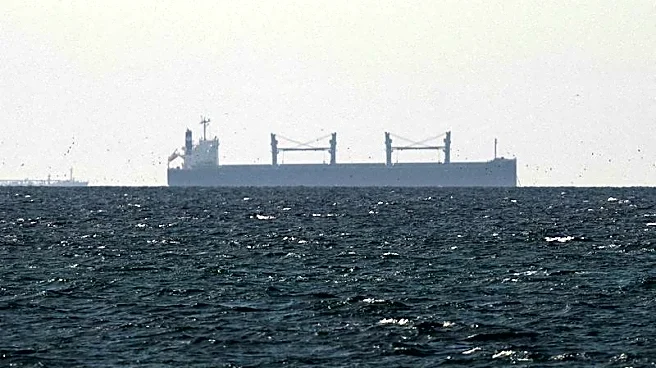
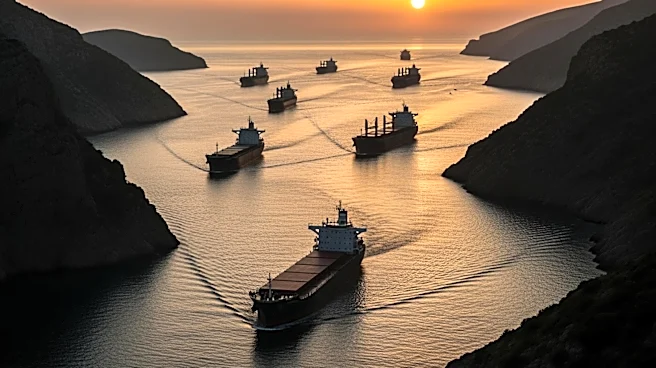
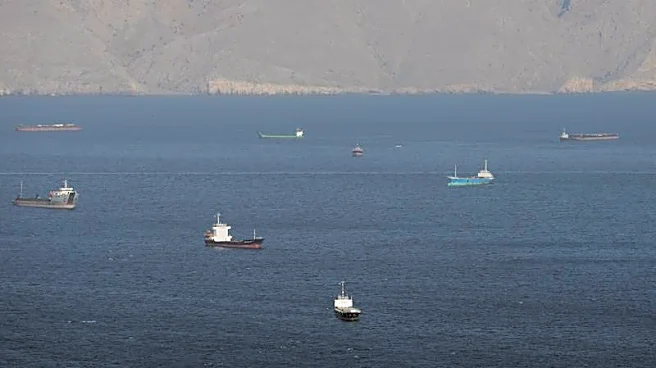
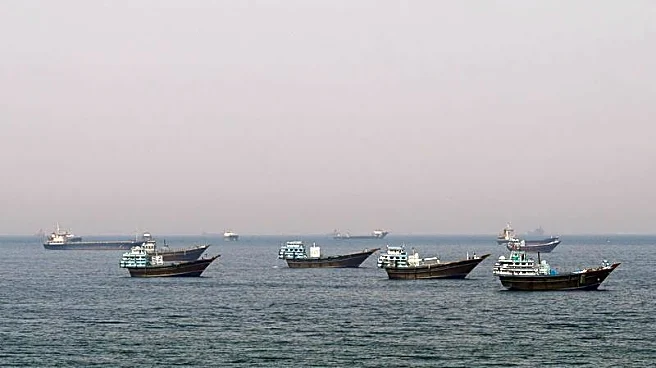
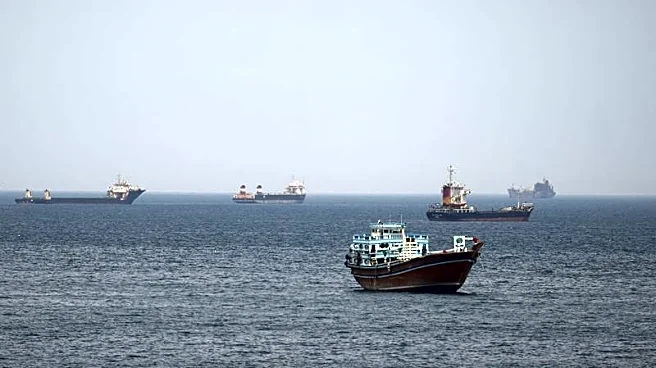
Shipping traffic through the strait remains at a virtual standstill since the U.S.-Iran war broke out on February 28, disrupting energy supplies from the Gulf.
The strait usually sees about 130 vessels a day enter and exit the Gulf and handles about 20% of the world's daily oil and liquefied natural gas supply.
(Reporting by Siyi Liu and Florence Tan in Singapore; editing by Jason Neely)