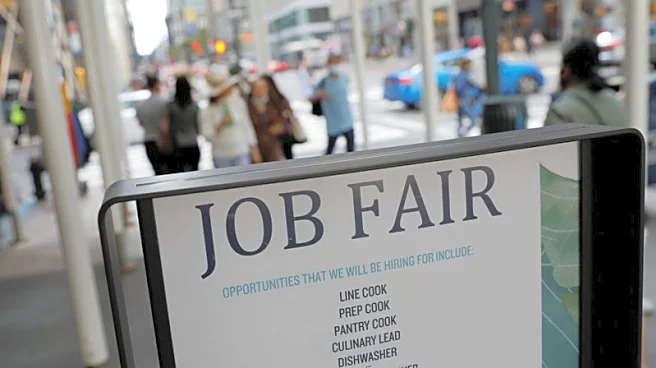

Dec 31 (Reuters) - The number of Americans filing new applications for jobless benefits fell unexpectedly last week to the lowest in a month, but the unemployment rate likely remained high in December
amid sluggish hiring.
Initial claims for state unemployment benefits dropped by 16,000 to a seasonally adjusted 199,000 for the week ended December 27, the Labor Department said on Wednesday. Economists polled by Reuters had forecast 220,000 claims for the latest week. The report was published a day early because of the New Year's Day holiday.
Claims have been volatile in recent weeks amid challenges adjusting the data for seasonal fluctuations ahead of the holiday season. The labor market remains locked in what economists and policymakers describe as a "no hire, no fire" mode.
Though the economy remains resilient, with gross domestic product increasing at its fastest pace in two years in the third quarter, the labor market has almost stalled. Labor demand and supply have been impacted by import tariffs and an immigration crackdown, economists say.
The number of people receiving unemployment benefits after an initial week of aid, a proxy for hiring, fell by 47,000 to a seasonally adjusted 1.866 million during the week ending December 20, the claims report showed.
While off their recent peak, continuing claims are higher than they were at this time last year, and that elevated level aligned with a survey from the Conference Board last week showing consumers' perceptions of the labor market deteriorated this month to levels last seen in early 2021. The unemployment rate increased to a four-year high of 4.6% in November, though part of the rise was because of technical factors related to the 43-day government shutdown.
A jobless rate tracker from the Federal Reserve Bank of Chicago suggests it remained unchanged in December at 4.6%, which is the highest in more than four years. The Labor Department will publish employment figures for December on January 9.
The record-long shutdown prevented data collection for October's unemployment rate. The Federal Reserve this month cut its benchmark overnight interest rate by another 25 basis points to the 3.50%-to-3.75% range, but signaled borrowing costs were unlikely to fall in the near term as policymakers await clarity on the direction of the labor market and inflation.
(Reporting By Dan Burns; additional reporting by Lucia Mutikani; Editing by Chizu Nomiyama)