





By Scott DiSavino
Oct 13 (Reuters) - Oil prices were mixed on Tuesday as hopes the US-Russia diesel deal could free up more supplies from Moscow offset attacks in Saudi Arabia and Yemen that could result in additional supply disruptions.
Brent futures were down 59 cents, or 0.6%, at $106.06 per barrel at 12:59 p.m. EDT (1659 GMT), while US West Texas Intermediate crude futures rose 73 cents, or 0.8%, to $94.47.
That put WTI on track to close at its highest since September 24 for a second day in a row.
On Monday, Brent closed at its highest since September 15.
The Kremlin said on Tuesday that it did not see any direct link between a deal on exporting Russian diesel to the US and Moscow's own stance on the Ukraine peace talks.
It was commenting on a Reuters source-based story, which reported that US President Donald Trump's envoys had told Ukrainian officials on Friday that the deal to allow Russian diesel exports was part of an attempt to draw Russia back into negotiations over a possible peace settlement in Ukraine.
Russia was the world's third-biggest crude oil producer behind the US and Saudi Arabia in 2025, according to US energy data. Sanctions designed to keep Russian energy out of global markets have helped support oil prices since Russia invaded Ukraine in 2022.
Any deal to end the Russia-Ukraine war could allow Russia to export more energy.
Ukrainian President Volodymyr Zelenskiy said on Tuesday that Kyiv received no prior warning from its Western partners about a Russian ballistic missile attack on its capital as Ukraine comes under intense US pressure to halt attacks on Russian refineries.
Trump said the Russian diesel was for the rest of the world, not the US. Trump also said the US was still sharing intelligence with Ukraine.
Diesel prices rose to record highs in many parts of the world in recent weeks due to global supply disruptions linked to Ukraine's attacks on Russian energy infrastructure and Iran's attacks on Middle East energy infrastructure.
Elsewhere, the UK's domestic spy chief said on Tuesday that Russia and Iran were stepping up hybrid warfare campaigns in Britain.
MIDDLE EAST ATTACKS
Yemen's Iran-allied Houthis said Saudi Arabia was attacking the Yemeni capital Sanaa on Tuesday after a Saudi-led coalition warned civilians to stay away from an oil depot on the city outskirts, part of a rapidly escalating war between the sides.
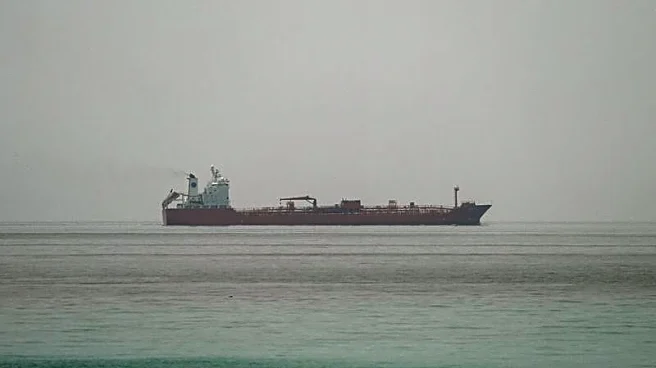
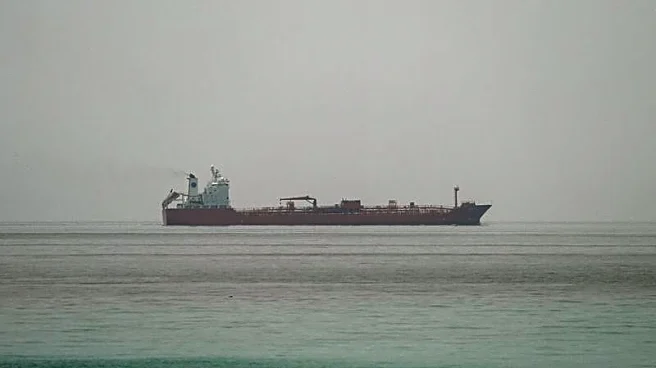
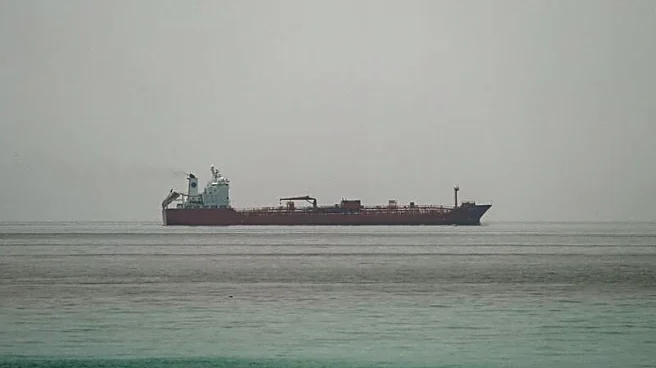
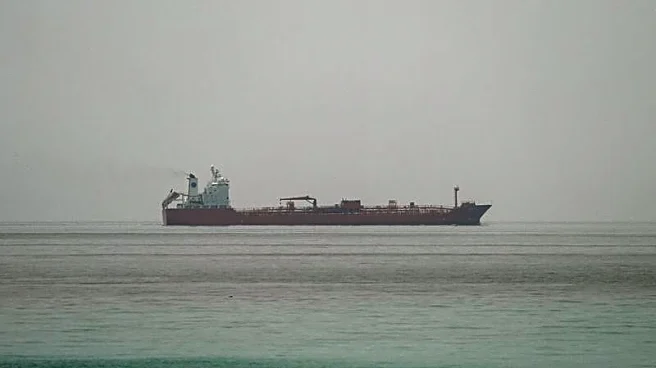
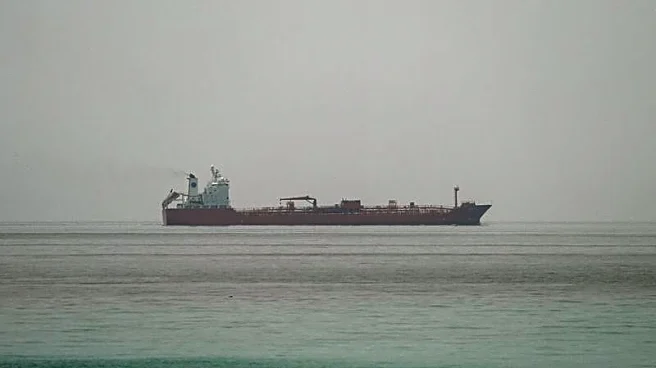
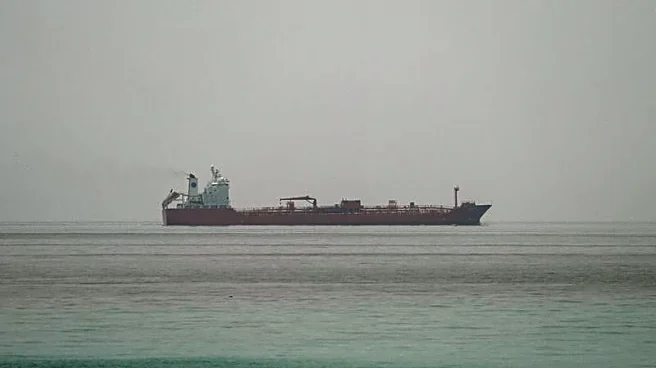
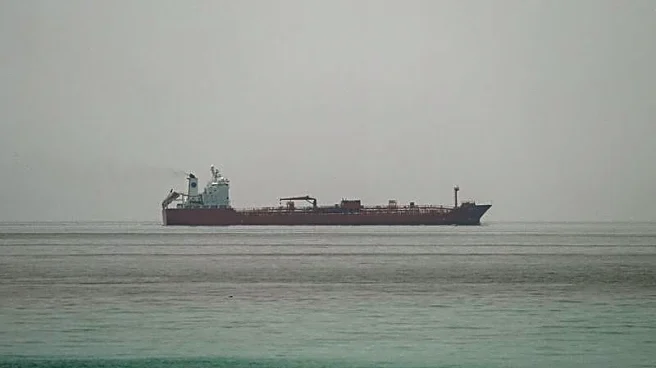
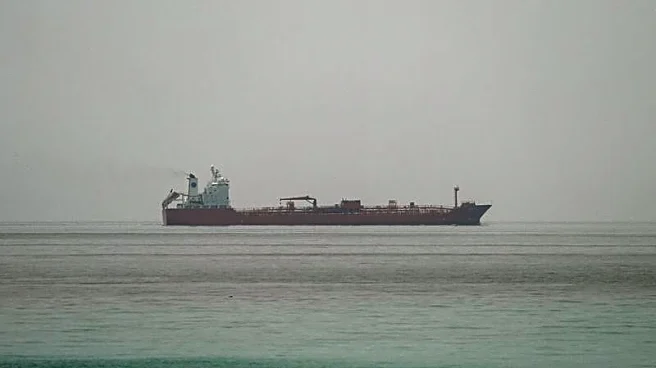
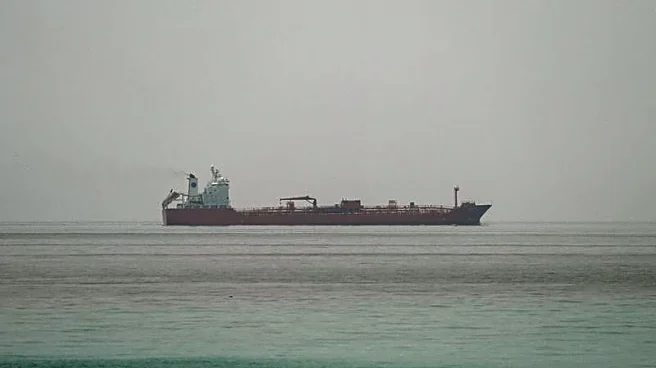
Concerns over the vulnerability of Gulf energy infrastructure and shipping lanes remained in focus after Iran-aligned Houthis struck Riyadh's international airport over the weekend, while tanker attacks were reported near the Strait of Hormuz.
Trump on Tuesday accused Yemen's Houthi militants of deliberately trying to drive up oil prices ahead of the US midterm elections and warned that he would "never forget" their attacks on Saudi Arabia, amid a widening regional conflict fueled by the US war with Iran.
Despite ongoing disruptions of shipments through the Strait of Hormuz during the Iran war, however, oil producer group OPEC+ posted a sharp gain in production in September, the Organization of the Petroleum Exporting Countries (OPEC) said on Tuesday, driven by an increase from Saudi Arabia.
About 20% of global oil supplies passed through the Strait of Hormuz before the US and Israel attacked Iran in February. OPEC+ includes OPEC and allies like Russia.
OPEC also lowered its forecast for 2026 oil demand growth for a sixth straight month, and raised its forecast for next year, citing the need for the world to rebuild inventories depleted by the Iran war.
(Reporting by Scott DiSavino in New York, Seher Dareen and Enes Tunagur in London, Anjana Anil in Bengaluru and Trixie Yap in Singapore; Editing by Louise Heavens and Jan Harvey)