





By Bhanvi Satija and Mariam Sunny
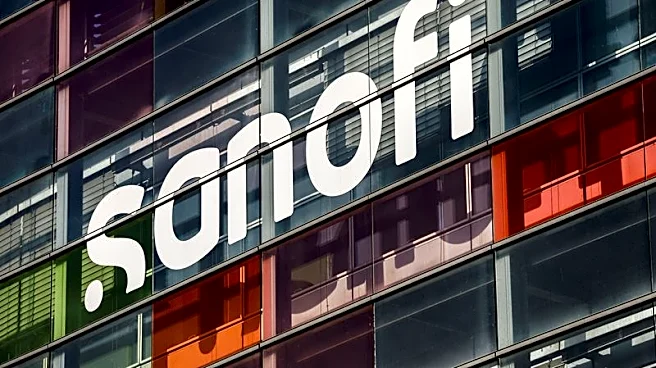
Oct 1 (Reuters) - Sanofi and Regeneron said on Thursday they will develop four new drugs together in a deal worth up to $8 billion and settle prior litigation, moves analysts said signal a reset of their strained partnership and an early win for the French drugmaker's new CEO Belen Garijo.
Sanofi will pay $1 billion upfront with an additional $7 billion in potential milestone payments. The companies will equally share development costs and future profits on the four
drugs, with Regeneron leading research and Sanofi handling global sales if they are approved.
Sanofi shares closed up nearly 1% on Thursday. Shares of Tarrytown, New York-based Regeneron were down 4% in midday trading.
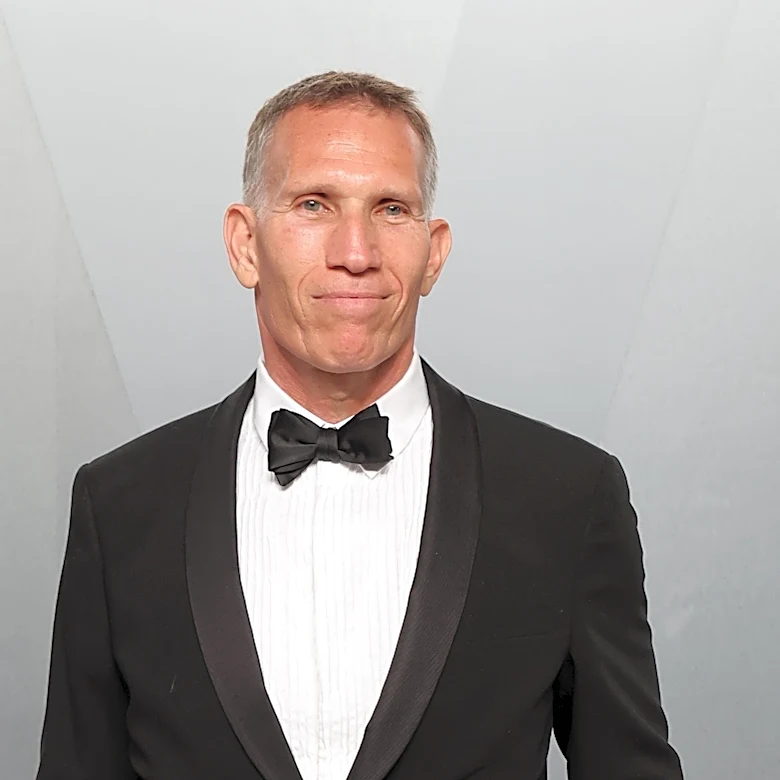
"Mutual trust will be the guiding principle in this extended relationship," Garijo said on an investor call, adding that the partnership would include clear roles and accountability for both firms.
Garijo, who took over the top role at Sanofi in May and is leading a strategic review of the company, has promised investors faster decision-making. Barclays analysts noted that her predecessor, Paul Hudson, had tried and failed to expand the Regeneron alliance, which produced Sanofi's top-selling medicine, Dupixent, among other drugs.
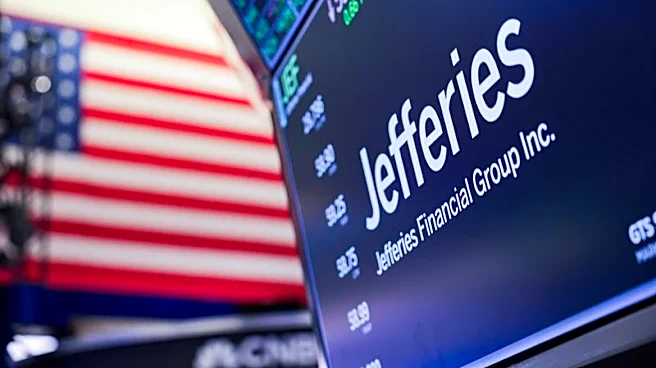
"While the assets are early-stage, the expansion should be viewed positively, as it signals the new CEO's proactive focus on the most important yet addressable uncertainties investors face," said Jefferies analyst Michael Leuchten.
The four antibody drugs target the same type 2 inflammation pathways as Dupixent and include REGN20423, currently in early-stage testing for atopic dermatitis, an intensely itchy skin condition also known as eczema. The other three are expected to begin clinical testing in 2027.
Regeneron will become eligible for the first $1 billion milestone payment when REGN20423 enters late-stage testing, the drugmaker said.
Garijo said the atopic dermatitis market could double in the next five years.
"We believe today's deal marks an important step in repairing their relationship and removes a key overhang for both," said BMO Capital Markets analyst Evan Seigerman.
However, Markus Manns, a portfolio manager at Union Investment, which holds Sanofi shares, questioned the cost, given the uncertainties of such early-stage assets.
"Sanofi certainly paid a full price," he said.
MORE M&A REQUIRED
Analysts broadly viewed the deal positively but some warned it does not solve Sanofi's fundamental challenge of finding enough pipeline strength to offset Dupixent's patent loss later this decade.
Dupixent accounted for 36% of Sanofi's nearly 44 billion euros ($49.39 billion) in 2025 sales. It is approved to treat several conditions, including eczema, asthma, nasal polyps and chronic obstructive pulmonary disease.
Sanofi said it was actively working to extend Dupixent's patent exclusivity, but declined to provide details.
"This (deal) is the necessary first step toward Sanofi regaining investor trust, but a great deal more is required given a decade of R&D challenges," Guggenheim analysts said.
($1 = 0.8909 euros)
(Reporting by Hugo Lhomedet and Matthieu Huchet in Gdansk, Bhanvi Satija in London, and Mariam Sunny in Bengaluru, editing by Milla Nissi-Prussak, Louise Heavens and Bill Berkrot)