



By Saqib Iqbal Ahmed
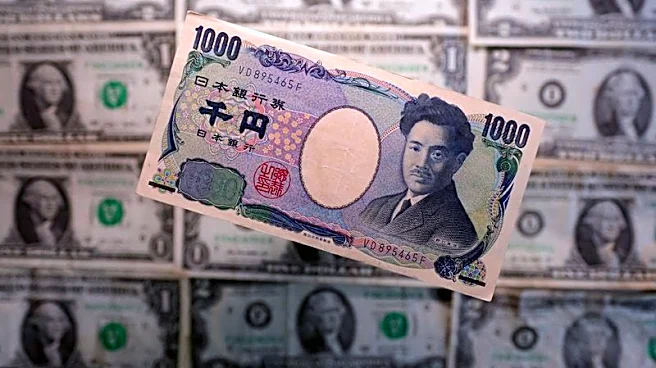
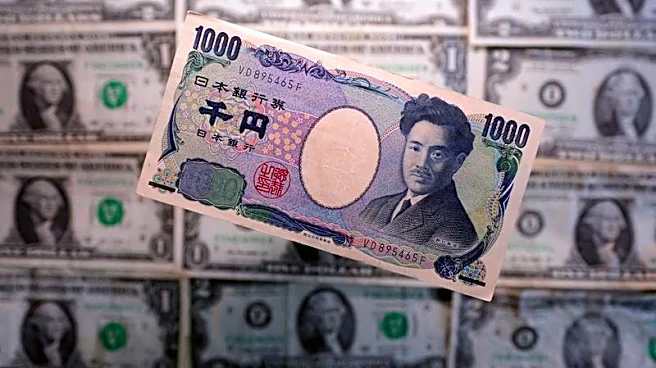
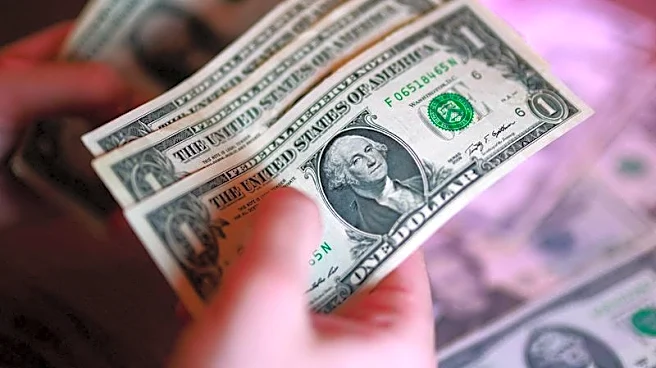
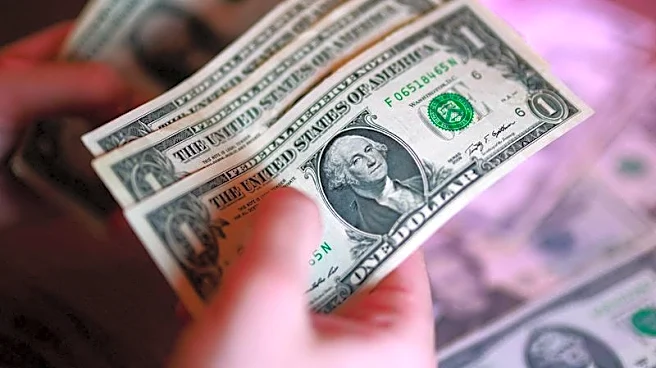
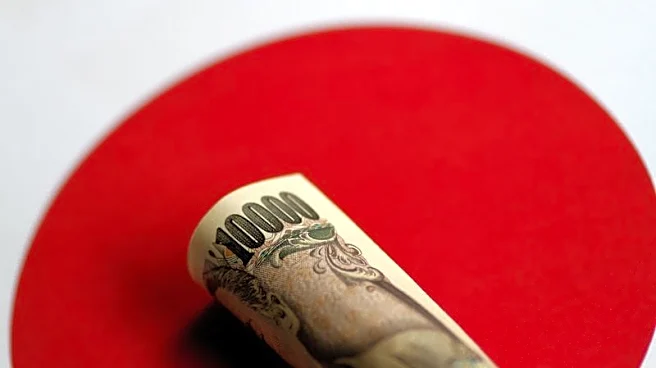
July 30 (Reuters) - The dollar sank to a more than two-month low against the Japanese yen on Thursday in what analysts said looked like official intervention by Tokyo to prop up the currency that had been languishing at four-decade lows.
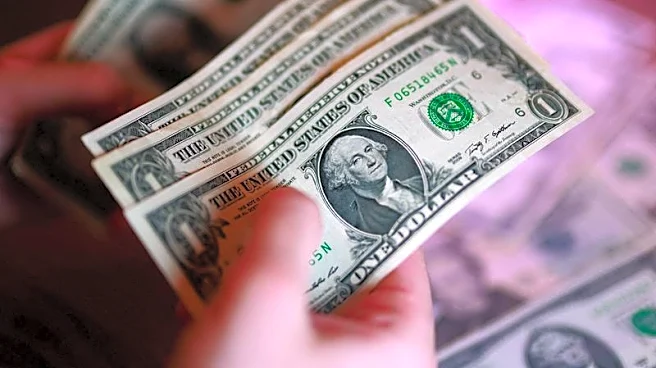
The dollar was also weaker across the board after data showed U.S. inflation slowed in June, a day after the Federal Reserve left interest rates unchanged, dashing hopes for a rate hike.
Markets have been on alert for yen-buying by Japanese authorities,
who have warned of action for months as currency weakness exacerbates the cost-of-living impact of rocketing energy import prices. The Japanese finance ministry’s foreign exchange division could not be reached immediately for comment.
Market participants said the sharp move in the Japanese currency was likely a result of intervention by Japanese authorities to halt the currency's slide to new multi-decade lows, while emphasising that there was no official confirmation.
"Yes, I think it is intervention, although we haven't seen anything definitive," said Tom Nakamura, head of fixed income and currencies at AGF Investments.
"The suddenness and degree of the move in dollar/yen suggests intervention," Nakamura said.
Against the yen, the dollar was down 2.6% at 159.225 yen, its weakest since May 14.
The yen's jump comes ahead of the Bank of Japan's interest rate verdict on Friday.
Economists anticipate Japanese interest rates will stay at 1%. However, recent reports show that central bankers are considering a faster pace of interest-rate hikes, as the economy reels from inflation pressures as the Iran war rages on.
"It appears Japanese authorities have taken advantage of the bearish momentum generated by the weaker U.S. data to sell dollars and support the yen," said Roberto Cobo Garcia, head of G10 FX strategy at BBVA.
DATA DRAG
Data on Thursday showed the Personal Consumption Expenditures Price Index increased 3.7% in the 12 months through June after advancing by an unrevised 4.1% in May, which was the largest gain since April 2023, the Commerce Department's Bureau of Economic Analysis said. The increase in PCE inflation was in line with economists' expectations.
Separately, data showed U.S. economic growth slowed in the second quarter amid a widening in the trade deficit. Gross domestic product increased at a 1.5% annualized rate last quarter, the Commerce Department's Bureau of Economic Analysis said in its advance estimate of second-quarter GDP. Economists polled by Reuters had forecast GDP rising at a 2.1% pace.
"Is there a potential that the Fed's going to have to worry about growth more than inflation? That's also very, very U.S. dollar negative," said Juan Perez, senior director of trading at Monex USA in Washington.
The euro was 0.5% higher at $1.15318, extending its rise from the prior session when the U.S. dollar weakened after a divided Fed left interest rates unchanged. Fed Chair Kevin Warsh pledged an unwavering commitment to bring inflation down, a message that left markets confused about just what he was prepared to do in coming months.
Traders are ramping up their expectations for the Fed to leave interest rates unchanged again in September, with the probability for a hold now at 34.8%, compared with a 24% chance before the latest meeting, the CME Group's FedWatch tool showed.
The pound was 0.8% higher at $1.34755 after the Bank of England kept interest rates on hold on Thursday as it waits to see how the Iran war affects inflation pressures, although the renewal of hostilities prompted a third policymaker to back a rate hike.
In cryptocurrencies, bitcoin was up 2% at $64,802.
(Reporting by Saqib Iqbal Ahmed; Additional reporting by Rae Wee, Samuel Indyk, Gregor Stuart Hunter, Johann M Cherian and Sophie H. Kiderlin; Editing by Amanda Cooper, Anil D'Silva, Arun Koyyur and Philippa Fletcher)