






By Cordelia Hsu
WASHINGTON, June 3 (Reuters) - The U.S. Federal Communications Commission said on Wednesday the agency is considering reforming or ending the roughly $3 billion annual E-Rate subsidy program for schools and libraries.
The FCC said it wants to ensure E-Rate-funded internet networks and services are being used for educational purposes. A senior FCC official told reporters the proposal to be released this week raises the question of whether the program has fulfilled its mission and whether continued
funding is consistent with Congress' objective.
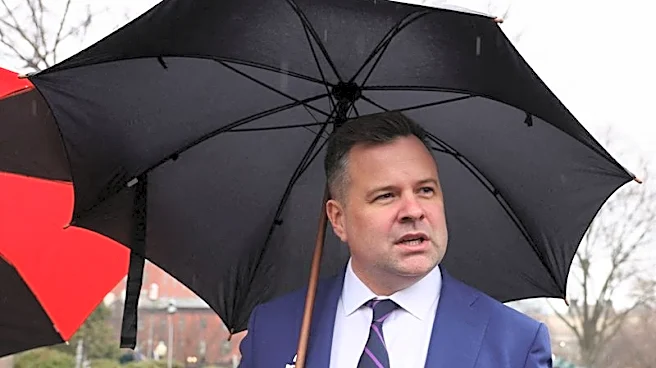
FCC Chairman Brendan Carr said in a statement the commission is launching a complete review of the E-Rate program, and the FCC will take an initial vote on the proposal on June 25. "The FCC has been subsidizing connectivity to and within schools for almost 30 years now — spending roughly $3 billion annually at this point," Carr said, pledging a "smart review of the E-Rate program."
He noted the review comes as states address excessive screen time in schools, with some school districts removing devices and reducing screen time, particularly for younger children.
The FCC is seeking public comment on potential legal and policy considerations for assessing children’s screen time, as well as protecting children and empowering parents, guardians, and teachers in decision-making involving children’s access to subsidized internet service.
E-Rate is funded by fees paid by telecom companies that are collected from consumers through the "Universal Service Fee" on monthly phone bills.
The FCC in September voted to end government subsidies for wireless use on school buses. In 2024, the FCC provided $48 million to fund Wi-Fi on buses, and more than 8,000 schools and libraries have requested tens of millions of dollars for more than 200,000 hotspot connections for students and educators.
(Reporting by David Shepardson; Editing by Chris Reese, Rod Nickel)